
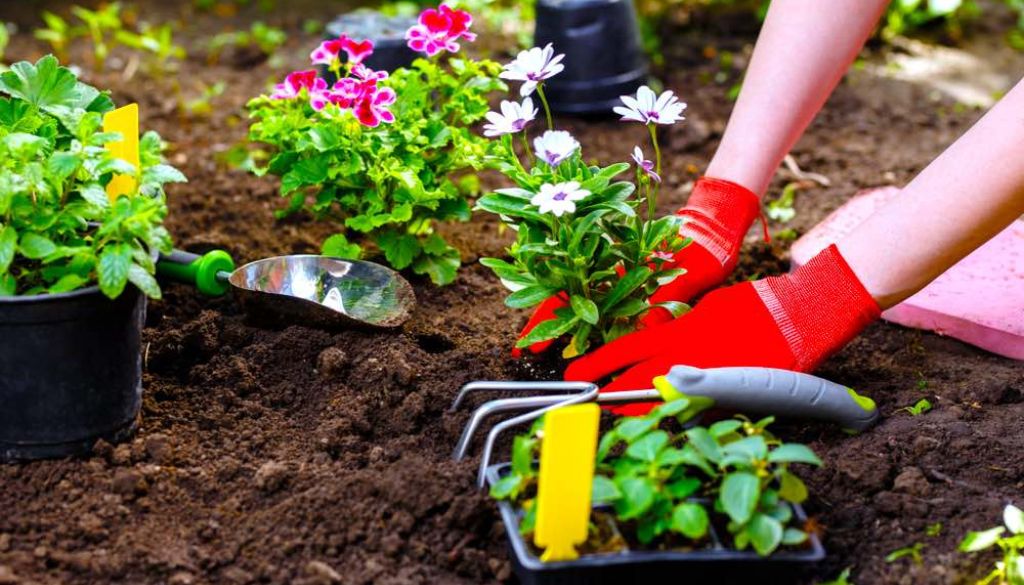
Few things transform an outdoor space quite like a well-planted flower garden. Whether you’re working with a sprawling backyard in Eltham or a modest courtyard in Alphington, growing flowers adds colour, fragrance, and life to your landscape — and the rewards go well beyond aesthetics. At John French Landscape Design, we’ve spent over 40 years helping Melbourne homeowners create beautiful, functional outdoor spaces. Flowers are often the finishing touch that makes a garden feel truly complete.
Whether you’re a first-time gardener or looking to refine your approach, these practical tips for growing flowers will help you get started with confidence.
Why Flower Gardening Is Worth the Effort
A flower garden isn’t just a pretty addition to your property — it’s an investment in your wellbeing and your home’s environment. Here’s why so many Melbourne homeowners prioritise flowers in their landscape design:
- Adds colour, texture, and seasonal interest to your outdoor spaces
- Attracts pollinators like bees and butterflies, supporting local ecosystems
- Provides fresh blooms for indoor arrangements year-round
- Can improve mental wellbeing and reduce stress — studies consistently link time in gardens with mood benefits
- Increases the visual appeal and value of your property
Planning Your Flower Garden
Choosing the Right Location
Sunlight is the single biggest factor in flower success. Most flowering plants thrive with 6–8 hours of direct sun per day, though shade-tolerant varieties like impatiens and hydrangeas perform well in filtered light. When selecting your site, also consider:
- Protection from strong winds, which can damage delicate blooms and dry out soil
- Easy access to water — proximity to a tap or irrigation system saves time
- Good drainage to prevent root rot, especially after Melbourne’s unpredictable storms
Choosing Your Garden Type
The format of your flower garden should suit your space and lifestyle:
- In-ground beds: Traditional borders or mixed gardens — ideal for larger yards
- Container gardening: Pots, window boxes, or raised garden beds for smaller spaces or renters
- Vertical gardens: Wall-mounted planters for balconies and patios with limited floor space
If you’re unsure how to integrate flowers into a broader landscape design, our guide to landscaping ideas for the side of your house offers practical ways to use planting in often-overlooked garden zones.
Soil Preparation and Fertilisation
Great soil is the foundation of healthy flowers. Melbourne’s soils vary significantly — from clay-heavy ground in inner suburbs to sandy loam further out — so it’s worth investing time here before a single plant goes in.
- Loosen the top 30 cm of soil with a fork or spade, and remove all weeds and roots
- Mix in generous amounts of compost or aged manure to improve drainage, aeration, and nutrient content
- For containers, use a quality potting mix rather than garden soil, which compacts too readily
- Apply a slow-release fertiliser at planting time for a steady nutrient supply throughout the season
- Mulch the bed with sugar cane or pea straw to lock in moisture and suppress weeds
Choosing the Right Flowers
Annuals vs Perennials
Understanding the difference between annual and perennial flowers is essential for planning a garden that works year after year:
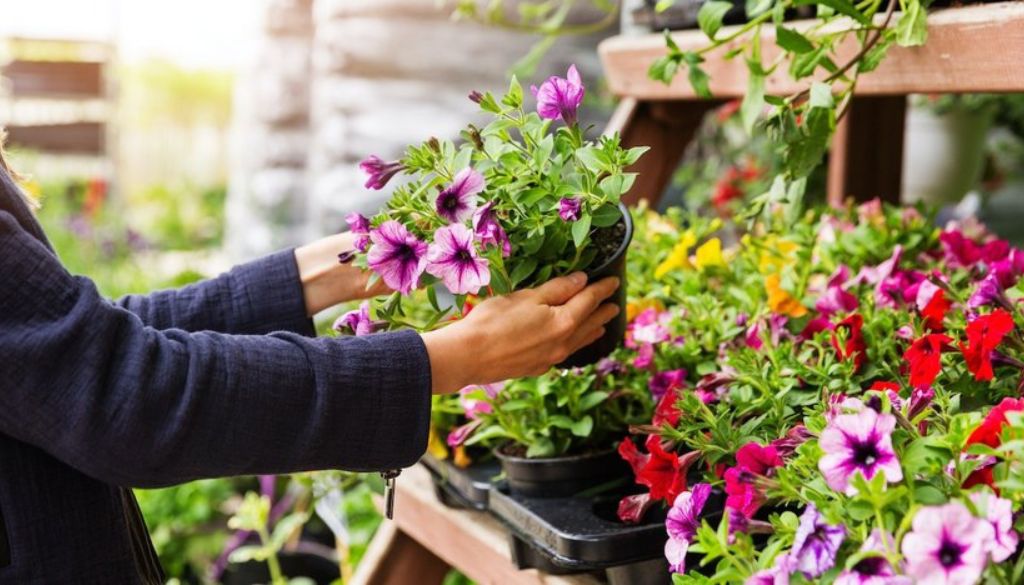
- Annuals (marigolds, petunias, zinnias): Complete their lifecycle in one season, producing abundant blooms. Replant each year for consistent colour.
- Perennials (lavender, agapanthus, coneflower): Return each year from the same root system. They take longer to establish but provide long-term structure and lower maintenance.
A smart flower garden combines both — annuals for seasonal impact, perennials for reliable form.
Seasonal Planting Guide for Melbourne
- Spring: Sweet peas, poppies, tulips, daffodils
- Summer: Marigolds, petunias, zinnias, sunflowers
- Autumn: Pansies, chrysanthemums, snapdragons
- Winter: Primulas, calendula, violas
If you’re drawn to low-fuss planting, our article on the best low-maintenance shrubs for your garden includes excellent companion plants that pair beautifully with seasonal flowers.
Planting Techniques
From Seed
- Sow seeds at a depth of 2–3 times their diameter
- Keep the soil consistently moist but never waterlogged — a light daily misting works well
- Thin seedlings once they reach 5 cm to prevent overcrowding
From Bulbs
- Plant bulbs with the pointy end up at a depth of approximately three times the bulb’s height
- Ensure excellent drainage — bulbs rot quickly in waterlogged soil
- Mark their location so you don’t disturb them during dormancy
From Seedlings (Transplanting)
- Plant at the same depth as in the original pot
- Water in well immediately after planting
- If transplanting seedlings raised indoors, harden them off by leaving them outside for a few hours each day before permanent planting
Watering, Mulching, and Support
The golden rule for watering flowers is to water deeply and infrequently rather than giving plants a daily light sprinkle. Deep watering encourages roots to grow down into the soil, creating more drought-resilient plants — particularly important in Melbourne’s hot, dry summers.
- Water at the base of plants, not over the foliage — wet leaves promote fungal disease
- Water in the morning so foliage dries before nightfall
- Apply a 5–7 cm layer of mulch around (not touching) plant stems to retain moisture and suppress weeds
- Stake tall flowers like delphiniums and dahlias early in the season to prevent wind damage later
Pruning, Deadheading, and Pest Control
Regular maintenance keeps your flower garden looking its best and producing more blooms.
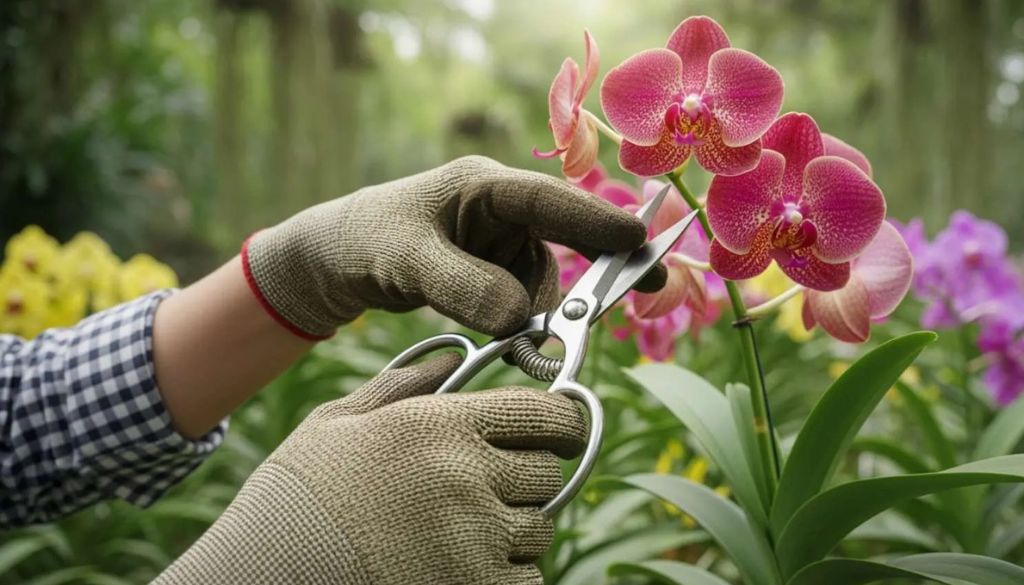
- Deadheading: Remove spent flowers by pinching or snipping just below the bloom. This redirects the plant’s energy into producing new flowers rather than setting seed.
- Pruning: Cut back leggy or overgrown stems to encourage bushy, compact growth. Remove any diseased or dead material promptly.
- Pest control: Check the undersides of leaves regularly for aphids, caterpillars, and scale insects. Use organic options like neem oil or insecticidal soap before resorting to harsher chemicals.
For a broader understanding of garden care and hardscape elements that complement your flower beds, explore our overview of the best hardscaping materials — choosing the right paths and edging materials makes maintenance far easier.
Maintaining a Continuous Bloom
The secret to a garden that always has something in flower is succession planting — staggering your plantings so that as one wave of blooms fades, the next is just hitting its stride.
- Plant a mix of early, mid, and late-season flowering varieties
- Replace spent annuals with new transplants to keep beds looking full
- Consider companion planting — pairing flowers like marigolds with vegetables or herbs — to improve overall garden health and visual variety
- Divide overcrowded perennials in autumn or spring to reinvigorate them
Flower Garden Inspiration
Beginner-Friendly Combinations
- Cottage mix: alyssum, marigolds, cosmos, and lavender — cheerful, forgiving, and bee-friendly
- Native Australian: kangaroo paw, grevillea, and native violets — drought-tolerant and perfect for Melbourne’s climate
- Container-friendly: petunias, pansies, and dwarf marigolds — excellent for pots and balconies
Design Tips
- Layer by height: tall plants at the back, medium in the middle, low-growing varieties at the front
- Use colour themes (cool blues and purples, warm reds and oranges) or contrasting textures for visual interest
- Incorporate garden paths or edging to define beds and make mowing easier
If you’re starting from scratch and want a comprehensive overview of what’s involved, our beginner’s guide to landscaping covers everything from site assessment to choosing your plants and hardscape elements.
Troubleshooting Common Problems
- Yellowing leaves: Often caused by overwatering, poor drainage, or a nitrogen deficiency. Adjust watering frequency and check soil drainage.
- Wilting plants: Check soil moisture — if it’s damp, the cause is likely heat stress. Provide temporary shade during heatwaves.
- Pest damage: Irregular holes in leaves suggest caterpillars or beetles; sticky residue indicates aphids. Act quickly with organic sprays.
- Poor or no blooms: Usually caused by insufficient sunlight, incorrect soil pH, or overfertilising with nitrogen (which promotes leafy growth at the expense of flowers).
A Simple Flower Garden Maintenance Routine
- Daily: Check soil moisture; inspect plants for pests or disease
- Weekly: Water deeply; deadhead spent blooms; fertilise if needed
- Monthly: Prune for shape; refresh mulch; check for any spread of pests
- Seasonally: Replace spent annuals; divide overcrowded perennials; prepare soil with compost
Frequently Asked Questions
What are the easiest flowers to grow for beginners in Melbourne?
Marigolds, petunias, pansies, and calendula are all excellent starting points. They’re forgiving, widely available at Melbourne nurseries, and reliably rewarding even with minimal experience.
How often should I water my flower garden?
Water deeply 2–3 times per week rather than a little every day. During Melbourne’s hot summers, increase frequency and always water at the base of the plant in the morning to reduce disease risk.
When is the best time to plant flowers in Melbourne?
Spring (September–November) is the most popular time, as warming temperatures suit the majority of flowering varieties. Many annuals can also be planted in autumn for winter and early spring colour.
Why are my flowers not blooming?
The most common causes are insufficient sunlight, over-fertilising with nitrogen (which pushes leafy growth instead of flowers), overcrowding, or planting at the wrong time of year. Check each factor one by one before replanting.
Do I need a professional landscaper to grow flowers?
Not for a simple garden bed — this guide covers everything you need to get started yourself. However, if you’re integrating flowers into a larger landscape design with paving, retaining walls, or drainage work, a professional like John French Landscape Design can ensure the overall design supports healthy, long-term planting.
Ready to Create a Garden You Love?
Growing flowers is one of the most satisfying aspects of garden ownership — but it works best when your broader landscape is designed to support it. At John French Landscape Design, we’ve been helping Eltham and Melbourne homeowners design and build beautiful outdoor spaces since 1981. From soil preparation and planting design through to full construction administration, we handle the details so you can enjoy the results.
To discuss your garden goals, call us on 0419 725 344, email info@johnfrenchlandscapes.com.au, or visit our website to explore our projects and services.
