

Modern gardens are becoming smarter. From sensors that monitor soil moisture to robotic mowers that maintain your lawn while you relax, smart garden technology is transforming how homeowners care for their outdoor spaces. Whether you’re a time-poor professional, a sustainability-conscious gardener, or simply curious about what’s possible, understanding these technologies can help you create a more efficient, beautiful, and low-maintenance garden.
What Is Smart Garden Technology?
Smart garden technology refers to the range of connected devices, sensors, and automated systems designed to monitor, manage, and maintain gardens with minimal manual intervention. These tools communicate with each other and with you through apps and smart home platforms, creating what’s often called a “connected garden.”
At its core, smart gardening applies the same principles that have revolutionised our homes—automation, remote control, and data-driven decision making—to outdoor spaces. Instead of guessing when to water or wondering if your plants are getting enough light, smart systems collect real-time information and respond accordingly.
The benefits are practical and immediate. Gardeners save time on routine tasks, plants receive more consistent care, water usage drops significantly, and you gain peace of mind knowing your garden is being looked after even when you’re away. For Melbourne homeowners dealing with water restrictions and unpredictable weather, these advantages are particularly valuable. Strategic plant placement works hand-in-hand with technology, and learning about smart landscaping to keep your home cool can reduce both energy costs and your garden’s water needs.
Benefits of a Smart Garden
The appeal of smart garden technology extends well beyond convenience. When implemented thoughtfully, these systems deliver measurable improvements across several areas. By combining automation with the benefits of low-maintenance landscaping, you can enjoy a beautiful garden without spending hours on upkeep each week.
Water efficiency stands out as perhaps the most significant benefit. Traditional irrigation systems operate on timers regardless of weather conditions, often watering during rain or failing to adjust for heatwaves. Smart irrigation systems, by contrast, respond to real-time conditions—reducing water waste by up to 50% in some installations while keeping plants healthier.
Reduced manual labour is another draw. Automated mowing, scheduled irrigation, and sensor-driven alerts mean less time spent on repetitive maintenance and more time enjoying your outdoor space. For busy households, this shift can transform a garden from a weekend burden into a genuine retreat.
Plant health improves when care becomes consistent rather than sporadic. Sensors detect problems early—drought stress, nutrient deficiencies, or inadequate light—allowing you to address issues before they become visible damage. This proactive approach leads to stronger plants and more successful gardens overall.
Smart Irrigation and Automated Watering
Irrigation is where most homeowners first encounter smart garden technology, and for good reason. Water management represents both the highest potential savings and the most immediate impact on garden health.
Weather-based irrigation controllers connect to local forecasts and adjust watering schedules automatically. If rain is expected, the system delays irrigation. During extended hot spells, it increases frequency. This responsive approach eliminates the inefficiency of fixed schedules while ensuring plants receive adequate moisture.
Zone-based control takes this further by recognising that different areas of your garden have different needs. A north-facing bed planted with natives requires far less water than a vegetable patch in full sun. Smart systems allow you to program each zone independently, delivering precise amounts where they’re needed.
Remote management through smartphone apps means you can monitor and adjust your irrigation from anywhere. Heading away for a fortnight? You can check soil moisture levels, review watering history, and make changes without asking a neighbour to help. Pairing smart irrigation systems with proven water conservation strategies can help you create a drought-tolerant garden that thrives with minimal water waste.
Sensors and Environmental Monitoring
The intelligence in a smart garden comes from sensors—small devices that measure conditions throughout your outdoor space and feed that information back to you or to automated systems.
Soil moisture sensors are the most common starting point. Placed at root level, they provide accurate readings of how wet or dry your soil actually is, removing guesswork from watering decisions. Some systems use this data to trigger irrigation automatically, while others simply alert you when intervention is needed.
Beyond moisture, sensors can monitor light levels, ambient temperature, humidity, and even soil nutrients. This environmental data helps you understand why certain plants thrive in specific locations while others struggle. Over time, patterns emerge that inform better planting decisions and more targeted care.
The real power of sensors lies in how their data connects to action. A moisture reading below threshold can trigger an irrigation zone. A temperature spike can send an alert to your phone. This sensor-to-action flow is the foundation of true garden automation.
Robotics in the Garden
Robotic lawn mowers have moved from novelty to mainstream, and for larger properties, they represent a genuine time-saver. These devices navigate your lawn autonomously, maintaining grass at a consistent height through frequent, light cuts rather than occasional heavy mowing.
The cutting approach itself benefits lawn health. Regular trimming encourages denser growth, and the small clippings left behind decompose quickly, returning nutrients to the soil. Many owners report improved lawn condition alongside the obvious convenience.
Setup requires installing a boundary wire to define the mowing area, after which the robot operates independently—returning to its charging station when needed and resuming work according to its schedule. Modern units handle slopes, navigate obstacles, and operate quietly enough to run during evenings without disturbing neighbours.
Smart Lighting, Sound, and Ambience
A well-designed garden extends your living space outdoors, and smart technology enhances that experience after dark. Automated lighting systems can be programmed to welcome you home, highlight landscape features, or create atmosphere for entertaining.
Scene-setting capabilities allow you to adjust lighting for different occasions—bright and functional for a family barbecue, soft and ambient for a quiet evening. Timers and motion sensors add security while reducing energy use, ensuring lights operate only when needed.
Integrated outdoor audio systems complete the picture, allowing music to flow seamlessly from inside to out. Weather-resistant speakers designed for garden installation deliver quality sound without compromising your landscape aesthetic.
Smart Shade, Pools, and Outdoor Comfort
Melbourne’s climate demands flexible outdoor spaces that can adapt to changing conditions. Automated awnings and blinds extend or retract based on sun position, wind speed, or temperature, protecting both you and your furnishings without constant manual adjustment.
Smart pool and spa systems monitor water quality, adjust chemical levels, and manage heating and filtration remotely. For pool owners, this means cleaner water with less effort and lower running costs through optimised pump schedules.
These climate-responsive features work together to create outdoor rooms that remain comfortable across seasons—extending the usability of your garden investment throughout the year.
Apps, AI, and Digital Garden Planning
Software brings smart garden technology together. Gardening apps range from simple plant identification tools to comprehensive platforms that track your entire garden, send care reminders, and log observations over time.
AI-powered gardening assistants are emerging as practical aids, offering personalised advice based on your location, climate, and the specific plants you’re growing. While still developing, these tools show promise for helping less experienced gardeners make better decisions.
Virtual garden planning software allows you to design and visualise changes before committing to them. For major landscape projects, this capability supports more confident decision-making and better communication with design professionals.
Integration and Smart Home Ecosystems
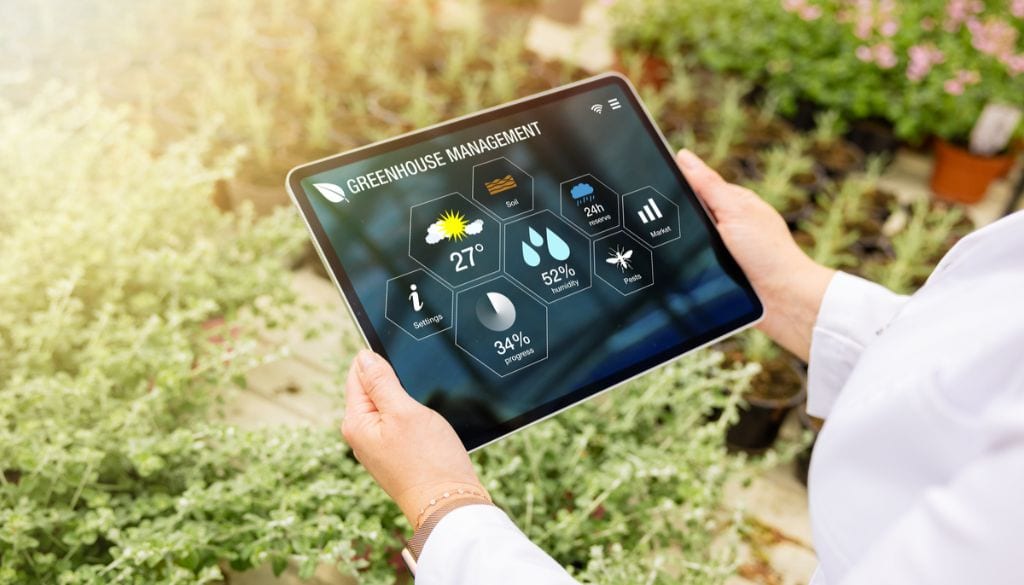
Individual smart garden devices deliver value on their own, but the real potential emerges when systems work together. A comprehensive setup might link soil sensors to irrigation controllers, connect lighting to motion detectors, and tie everything into a single app or smart home platform. Understanding the science behind proper plant watering helps you get the most out of your automated irrigation system and ensures your plants receive exactly what they need.
This integration enables sophisticated automation. Imagine a system that detects low soil moisture, checks the weather forecast, confirms no rain is expected, and triggers targeted irrigation—all without your involvement. Or lighting that activates when you step outside at dusk, adjusts brightness based on ambient light levels, and dims as the evening progresses.
Full automation isn’t necessary for everyone. Many gardeners prefer partial systems that handle specific tasks while leaving others under manual control. The flexibility to choose your level of automation is one of smart technology’s genuine strengths.
Sustainability and the “Original Smart Garden”
It’s worth noting that smart technology supports rather than replaces good garden design. Drought-tolerant plantings, appropriate species selection, and thoughtful layout remain foundational to sustainable gardens. Technology amplifies these choices—it doesn’t substitute for them. Smart technology is just one of the many exciting garden design trends for 2026 that are reshaping how Melbourne homeowners approach their outdoor spaces.
In many ways, permaculture and water-wise garden design represent the original smart gardening. These approaches work with natural systems rather than against them, minimising inputs while maximising outcomes. Smart technology sits comfortably alongside these principles, adding precision and convenience to fundamentally sound design.
For Melbourne gardens, where water efficiency and climate resilience matter, combining intelligent design with smart technology delivers the best results.
Is Smart Garden Technology Right for You?
Smart garden technology suits a wide range of situations, but the best approach depends on your garden’s size, your lifestyle, and your comfort with technology.
Larger, more complex gardens benefit most from comprehensive systems. If you’re managing multiple irrigation zones, extensive lighting, and significant lawn area, automation can save substantial time while improving outcomes.
Smaller gardens or those with simpler needs might start with a single smart device—perhaps a weather-responsive irrigation controller or a set of soil sensors—and expand from there. Starting small allows you to learn what works before committing to larger investments.
Budget matters too. While costs have dropped significantly, a full smart garden setup represents a meaningful investment. Prioritising the technologies that address your specific pain points—whether that’s watering consistency, lawn maintenance, or outdoor lighting—ensures you get value where it counts.
Frequently Asked Questions About Smart Garden Technology
What is smart garden technology?
Smart garden technology encompasses connected devices, sensors, and automated systems that monitor and manage your garden with minimal manual input. These tools—including smart irrigation controllers, soil sensors, robotic mowers, and automated lighting—communicate through apps and smart home platforms, allowing you to care for your garden remotely and automate routine tasks like watering and lawn maintenance.
Do smart gardens save water?
Yes, significantly. Smart irrigation systems can reduce water usage by 30–50% compared to traditional timer-based systems. They achieve this by responding to real-time weather data, soil moisture readings, and plant needs rather than following fixed schedules. During rainy periods, smart systems skip unnecessary watering automatically, while during heatwaves, they increase irrigation to prevent plant stress.
Can smart garden systems work without WiFi?
Many smart garden devices require WiFi for full functionality, particularly for remote access via apps and integration with other smart home systems. However, some devices offer offline operation modes—robotic mowers continue their programmed schedules, and certain irrigation controllers maintain basic timer functions even when disconnected. If you have unreliable internet, look for systems with strong offline capabilities or consider standalone smart devices that don’t depend on constant connectivity.
Are smart gardens suitable for small spaces or balconies?
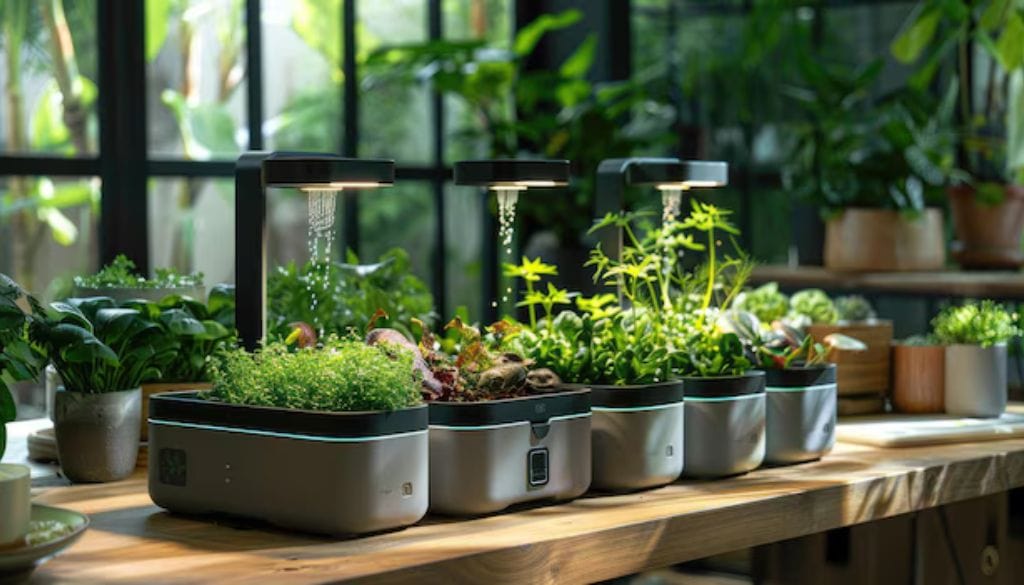
Absolutely. Smart technology scales well to compact spaces. Self-watering planters, compact soil sensors, and smart plant pots work perfectly on balconies and in courtyard gardens. For small spaces, even a single smart irrigation timer connected to a drip system can transform plant care—ensuring your pots receive consistent moisture without daily attention. Indoor smart gardens and click-and-grow systems are specifically designed for limited space.
How much does it cost to set up a smart garden?
Costs vary widely depending on scope. A basic setup—perhaps a smart irrigation controller and a few soil sensors—might run $300–$500. Mid-range systems incorporating multiple zones, quality sensors, and smart lighting typically range from $1,000–$3,000. Comprehensive installations with robotic mowers, integrated lighting, and full automation can exceed $5,000–$10,000. Most homeowners start with one or two devices addressing their biggest pain points, then expand gradually.
Thinking about how smart garden technology might enhance your outdoor space? At John French Landscape Design, we’ve been creating beautiful, functional gardens across Melbourne’s eastern suburbs since 1981. Our design process considers how modern technology can integrate with sustainable, climate-appropriate plantings to deliver gardens that work harder while demanding less of your time.
