
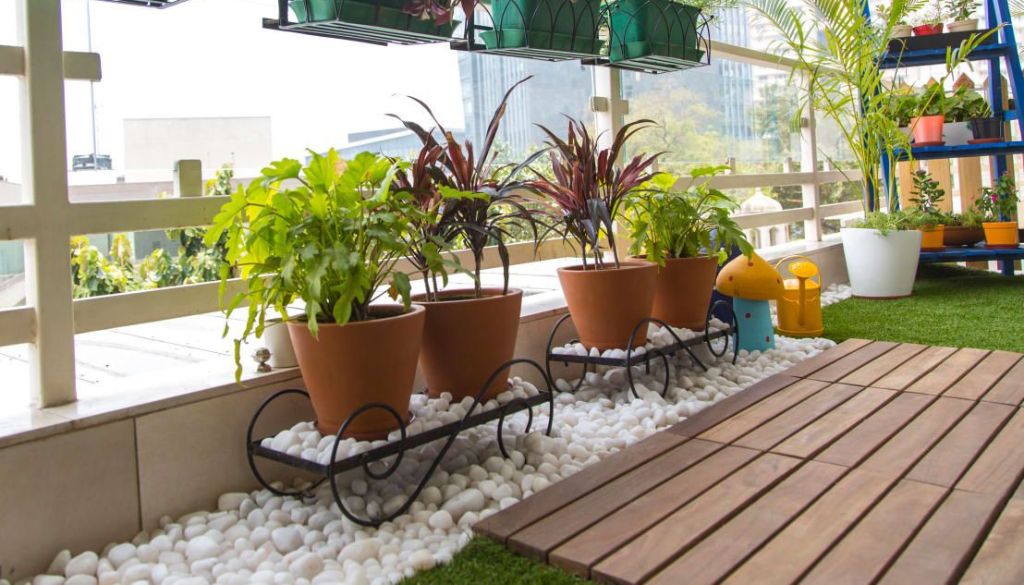
Not every garden starts with a sprawling backyard. For apartment dwellers, renters, and urban homeowners across Melbourne and beyond, the balcony is often the only patch of outdoor space available — and with the right approach, it can become one of the most beautiful parts of your home.
Home balcony garden design is about working with what you have: limited floor space, sometimes tricky sun or wind conditions, weight restrictions, and the need for plants that genuinely thrive in containers. Get these fundamentals right and you can create a lush, calming outdoor retreat that feels like a true extension of your living space.
At John French Landscape Design, we’ve been creating outdoor spaces across Melbourne and the Eltham area since 1981. While most of our work focuses on full residential garden and pool landscaping, the same design principles — right plant, right place, cohesive style — apply just as powerfully on a balcony. If you have access to a flat roof as well as a balcony, our guide to home rooftop garden design will show you how to make the most of every elevated outdoor space on your property.
What Is a Balcony Garden?
A balcony garden is any intentional planting scheme created on a balcony, terrace, or elevated outdoor platform. The term covers everything from a handful of herb pots on a railing to a fully considered vertical garden with seating, lighting, and layered plantings.
The appeal is clear. Even a modest green space reduces stress, improves air quality, and creates a visual sense of calm. In denser urban areas, balcony gardens are one of the few ways to keep a genuine connection with nature — and they can be remarkably beautiful with very little space.
Planning Your Balcony Garden Design
Understand Your Balcony Conditions
Before buying a single pot, spend some time observing your balcony. The single biggest mistake new balcony gardeners make is choosing plants that don’t suit their conditions.
- Sun exposure: Does your balcony face north (shaded), east (morning sun), west (afternoon sun), or south (most sunlight)? Most edibles and flowering plants need at least four hours of direct sunlight per day.
- Wind: High-rise and exposed balconies can create wind tunnels that stress plants and dry out pots rapidly. You may need windbreaks, screens, or to stick to hardy, low-growing species.
- Climate: Melbourne’s summers are hot and dry; winters are cool and wet. Choose plants that handle temperature swings well and consider whether you need protection from frost or heatwaves.
Check Practical Limitations
Balconies have real structural constraints that matter for plant choices:
- Weight limits: Saturated potting mix is heavy. Stick to lightweight containers (fiberglass, fabric grow bags) and avoid large, heavy ceramic or concrete planters unless you’re confident in the weight rating of your balcony.
- Drainage: Most balconies aren’t designed for large volumes of water runoff. Use pots with saucers, or self-watering containers that hold water internally. Check your lease agreement if you’re renting.
- Access: Think about how you’ll water, fertilise, and prune. A balcony that’s hard to move around in will quickly become neglected.
Choosing Plants for a Balcony Garden
Right Plant for the Right Place
The foundational rule of good landscape design applies on a balcony just as much as in a large garden. Match the plant to the conditions rather than forcing a preferred plant into an unsuitable spot. If you’re planning your balcony layout, understanding the best hardscaping materials will help you choose surfaces that work beautifully alongside your container plants.
- Full-sun balconies: Lavender, rosemary, succulents, ornamental grasses, bougainvillea, citrus.
- Shaded or semi-shaded balconies: Ferns, hostas, peace lilies, impatiens, begonias, liriope.
- Windy balconies: Low-growing natives, sedums, tough Mediterranean herbs like thyme and oregano.
Hardy and Low-Maintenance Plants
If you’re new to container gardening or don’t have much time for maintenance, start with forgiving species:
- Succulents and cacti handle heat and drought exceptionally well.
- Native Australian plants — such as dwarf banksias, kangaroo paw, or native violets — are adapted to local conditions and require less water once established.
- Hardy shrubs like westringia or dwarf grevillea bring structure and year-round foliage without demanding constant attention.
If you want to explore which shrubs suit your outdoor space, our guide to low-maintenance plants for Melbourne gardens goes into more detail.
Edible Plants for Balcony Gardens
Growing food on a balcony is one of the most rewarding aspects of this type of gardening. Even a sunny ledge can produce worthwhile harvests:
- Herbs: Basil, parsley, chives, mint (keep in its own pot!), thyme, and coriander all grow well in window boxes.
- Dwarf vegetables: Cherry tomatoes, capsicum, and dwarf beans are productive in 30–40cm pots.
- Mini fruit trees: Dwarf citrus (lemon, cumquat) in large containers work well on sunny balconies and double as ornamentals.
- Leafy greens: Lettuce, silverbeet, and baby spinach are fast-growing, and successive sowings mean a near-continuous harvest.
Selecting Pots and Containers
Use Larger Pots Instead of Many Small Ones
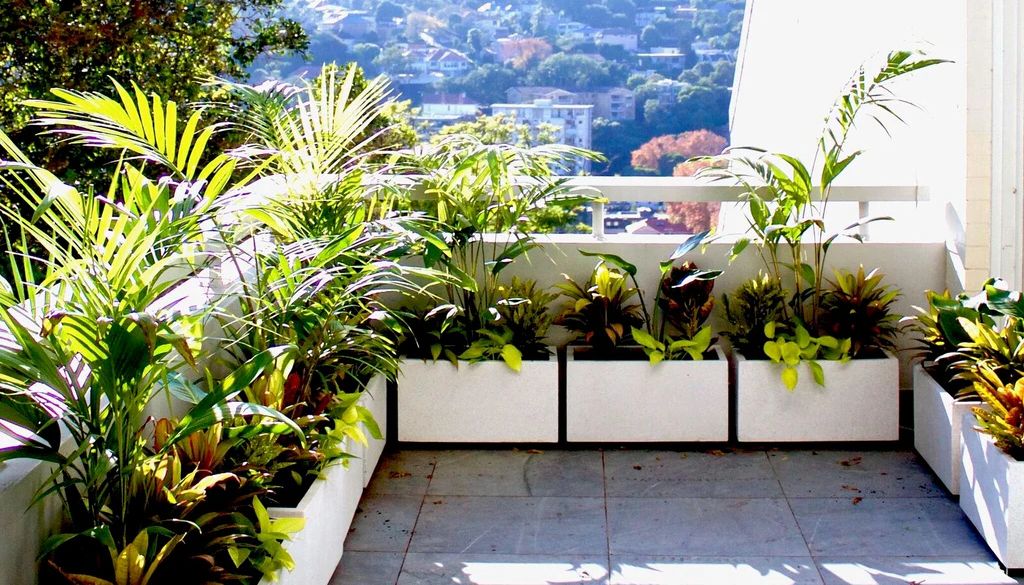
A common beginner mistake is buying lots of small pots. Larger containers — 30cm diameter or more — create a cleaner, more considered look, retain moisture better, and allow roots more room to grow. Fewer, larger pots also means less watering and a less cluttered balcony. If this is your first time planning an outdoor space, our beginner’s guide to landscaping walks you through the fundamentals so you can start with confidence.
Lightweight Containers
On any balcony, weight matters. Fortunately, modern container materials are excellent:
- Fiberglass pots: Lightweight, durable, and available in styles that mimic terracotta, stone, or glazed ceramic.
- Fabric grow bags: Excellent for vegetables and herbs, very light, and they air-prune roots to improve plant health.
- Resin and composite planters: Affordable, weather-resistant, and come in a wide range of sizes.
Pot Grouping Ideas
Group containers of the same style but different sizes for a ‘potted family’ effect — it creates visual cohesion without being rigid. Mixing two or three plants in a single large container (a thriller, filler, and spiller) is another classic technique that maximises impact per pot.
Using Vertical Space in Balcony Garden Design
Vertical Gardens and Wall Planters
Vertical space is the most underused resource on a balcony. A plain wall or fence can become a living feature with the right approach:
- Modular wall planter systems let you create a full vertical garden from succulents, herbs, or ferns.
- Hanging wall pots and pocket planters work well for small herbs and trailing plants.
- Climbers like jasmine, star jasmine, clematis, or passionfruit can be trained up a trellis or wire frame attached to a wall, providing shade, fragrance, and privacy.
Balcony Rail Planters
Railing-mounted window boxes are purpose-built for balcony gardening. They keep floor space free and put planting right at eye level. Use them for trailing plants like petunias or lobelia, flowering annuals, or compact herbs like thyme and chives.
Balcony Garden Furniture and Layout
Seating Ideas for Small Balconies
The goal is to create a usable outdoor space, not just a plant display. Even on small balconies:
- A pair of lightweight folding chairs and a small side table is enough for morning coffee.
- A built-in bench along one wall (with storage underneath) maximises floor space.
- Hanging chairs or hammock chairs work on deeper balconies and feel genuinely luxurious.
Make the Balcony an Extension of Your Home
The most successful balcony gardens feel like a natural continuation of the interior. Match your planting style, pot colours, and furniture to the aesthetic inside — whether that’s Scandi minimalism, Mediterranean warmth, or Australian coastal. Consistent use of two or three materials (teak timber, white ceramic, brushed steel, for example) unifies the space without limiting creativity. The same creative thinking behind balcony design applies to tight garden corridors too — explore our side of house landscaping ideas for inspiration on transforming awkward outdoor spaces.
Decorative Features for Balcony Gardens
Mirrors to Expand Space
Outdoor-rated mirrors placed strategically on a balcony wall can dramatically increase the perception of space by reflecting greenery and sky. This is a designer trick that works especially well in narrow or enclosed balconies.
Water Features
A small tabletop fountain or wall-mounted water feature adds a calming acoustic dimension to a balcony garden — particularly useful in urban areas where traffic or neighbour noise is a constant. The gentle sound of moving water creates an immediate sense of retreat.
Seasonal Flexibility
One advantage of container gardening is that you can completely restyle your balcony by simply rearranging pots or swapping plants seasonally. Replace cool-season pansies with summer petunias; bring tender succulents inside over winter; add potted bulbs for spring colour. The whole look can evolve with very little effort or cost.
Extra Balcony Garden Ideas
Create Privacy with Plants
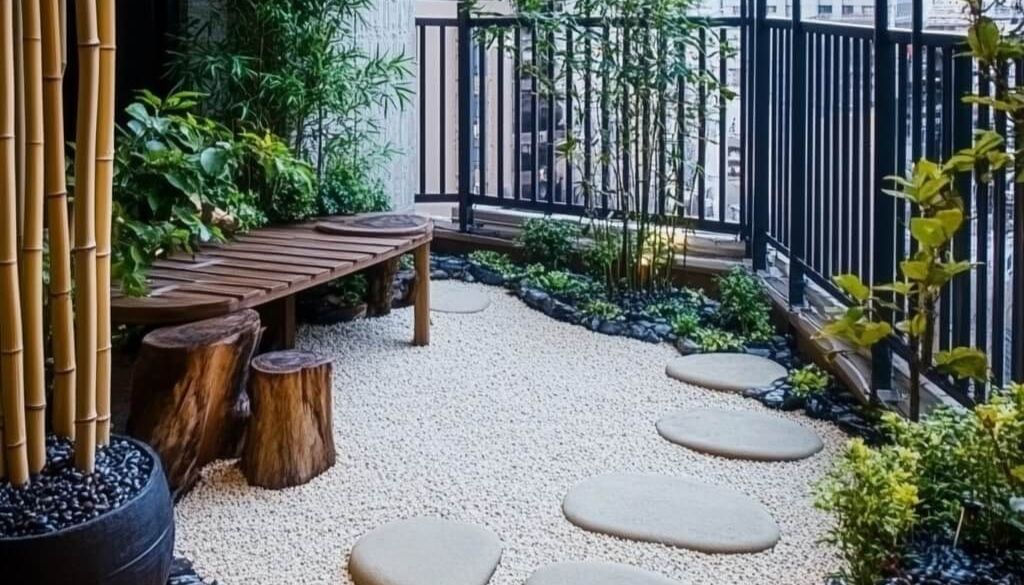
Dense plantings in trough planters along a railing — using tall ornamental grasses, bamboo, or screening hedges like lilly pilly — can create a genuine sense of privacy without structural screening. This is especially effective for balconies that overlook busy streets or neighbouring buildings.
Attract Wildlife
Even on a high-rise balcony, you can attract pollinators. Plant nectar-rich flowers — lavender, salvia, grevillea — and you’ll see butterflies and bees within days. Native plants are particularly effective for this and connect your small urban space to the broader local ecosystem.
Bring Nature Indoors
Coordinate the planting palette on your balcony with the indoor plants in the rooms adjacent to it. Similar colour tones, leaf textures, and pot styles create a seamless visual transition between inside and outside — a technique that makes both spaces feel larger.
Frequently Asked Questions
What plants grow best in balcony gardens?
It depends on your sun exposure and climate. For Melbourne balconies, succulents, native Australian plants, hardy Mediterranean herbs, and dwarf citrus all perform well. Shade balconies suit ferns, liriope, and peace lilies.
Can you grow vegetables on a balcony?
Yes — cherry tomatoes, leafy greens, herbs, and dwarf beans are all viable in containers. You need at least four hours of direct sun per day for most edibles.
What containers are best for balcony plants?
Lightweight fiberglass, fabric grow bags, and resin composite pots are the best choices for most balconies. Avoid heavy ceramic or concrete unless you’ve confirmed your balcony can handle the weight.
How do I water balcony plants without drainage problems?
Use pots with integrated saucers or self-watering containers. Water in the morning to reduce evaporation and avoid waterlogging. A watering can gives you more control than a hose on most balconies.
Want Help Designing Your Outdoor Space?
Balcony gardens are a wonderful starting point, but if you have a courtyard, front garden, or full backyard to work with, the possibilities expand considerably. At John French Landscape Design, we’ve spent over 40 years helping Melbourne homeowners create outdoor spaces that genuinely suit how they live — from native and drought-tolerant designs to pool landscapes and Balinese-inspired retreats.
Our process starts with an in-home consultation, and we manage everything from design through to construction administration and handover.
