
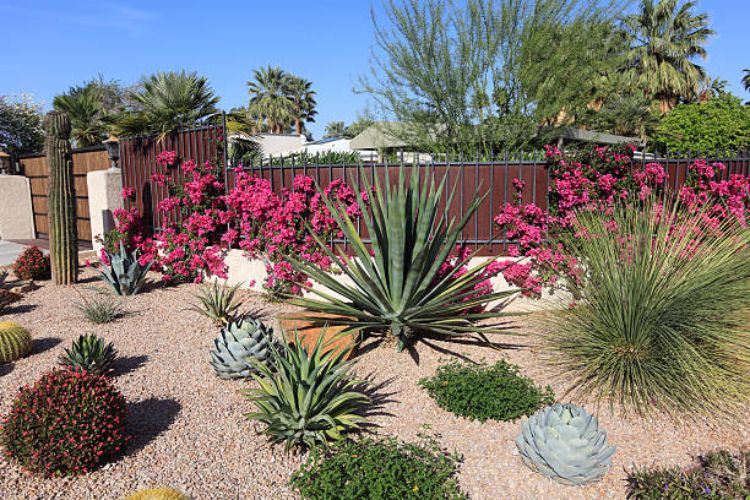
Desert landscapes offer something increasingly valuable in our warming, water-conscious world: beauty that thrives on neglect. Where traditional gardens demand constant watering, feeding, and fussing, a well-designed desert landscape works with harsh conditions rather than fighting them, creating outdoor spaces that look better with less intervention.
But designing a successful desert landscape requires more than scattering succulents across gravel. It demands understanding how arid environments function, applying genuine design principles, and making strategic choices about materials, plants, and layout. Done well, desert landscaping creates spaces that are striking, sustainable, and surprisingly liveable. For a solid foundation that applies to all landscape styles, review our guide on basic landscape design steps.
What Defines a Desert Landscape?
Desert landscapes are characterised by minimal rainfall, extreme temperature variations, intense sunlight, and lean soils. These conditions shape everything about the design approach. Unlike conventional gardens where plants dominate and hardscape supports, desert landscapes often reverse this relationship—stone, gravel, and structural elements take centre stage, with carefully chosen plants providing accent and interest.
The aesthetic tends toward the architectural. Bold plant forms, dramatic shadows, textural contrast between rough stone and smooth succulents, and earth-toned colour palettes create landscapes with genuine presence. There’s an honesty to desert design that appeals to contemporary sensibilities—nothing is faked or forced, and the beauty emerges from working with natural conditions rather than imposing artificial ones.To balance simplicity and beauty in desert layouts, explore our guide on artful landscape design fundamentals.
Step 1: Understand Your Site Conditions
Before selecting a single plant or ordering gravel, you need to genuinely understand what you’re working with. Desert conditions vary enormously—hot deserts differ from high deserts, coastal arid zones from inland ones. Your specific microclimate, sun exposure, wind patterns, and soil type will determine what’s possible.
Map your sun and shade patterns throughout the day and across seasons. Identify wind corridors that might desiccate plants or create uncomfortable outdoor living areas. Test your soil—is it sandy, rocky, or clay-based? Does water drain quickly or pool? Understanding drainage is particularly critical; most desert plants will tolerate heat and drought but rot quickly in waterlogged soil.
Note existing features worth preserving: mature trees providing shade, interesting rock formations, views worth framing or screening. The best desert designs work with what’s already there rather than starting from scratch.
Step 2: Plan the Layout Before Choosing Plants
This is where amateur desert landscapes often fail. The temptation is to start with plants—browsing nurseries, collecting specimens, then trying to fit them together. Professional designers work the opposite way: establish the bones of the design first, then select plants to fill specific roles within that framework.
Begin by defining zones of use. Where will people enter and move through the space? Where are the living areas for sitting, dining, or relaxing? Which areas will be high-visibility focal points, and which can fade into natural, low-intervention backgrounds? Sketch these zones before thinking about materials or plants.
Create focal points that draw the eye and anchor the design. In desert landscapes, this might be a sculptural agave, a carefully placed boulder grouping, a striking specimen tree, or an architectural element like a fire pit or water feature. Without focal points, desert landscapes can feel monotonous—just endless gravel and scattered plants.
Step 3: Choose a Desert Design Style
Desert landscaping encompasses several distinct aesthetic approaches. Clarifying your preferred style early helps ensure coherent design decisions throughout the process.
Native or natural desert style mimics the surrounding environment, using indigenous plants in naturalistic arrangements that blur the boundary between garden and wilderness. Southwestern style draws on adobe traditions—warm terracotta tones, rendered walls, decorative pottery, and plants like prickly pear and yucca. Modern desert style emphasises clean lines, minimal planting, and bold architectural forms, often with concrete, steel, and dramatic specimen plants.
Mediterranean-desert hybrids incorporate drought-tolerant plants from similar climates—lavender, rosemary, olive trees—creating softer, more romantic spaces. Zen-influenced xeriscape uses raked gravel, carefully placed stones, and sparse planting to create contemplative minimalist gardens. Each style has its own material palette, plant selection, and design grammar. For deeper insight into universal outdoor planning rules, read our article on core landscape architecture principles.
Step 4: Select Hardscape Materials First
In desert landscapes, hardscape isn’t background—it’s often the dominant visual element. Gravel, decomposed granite, stone, boulders, and paving define the character of the space more than plants do. Choose these materials carefully and commit to a cohesive palette rather than mixing too many finishes.
Gravel and decomposed granite come in numerous colours, from warm gold to cool grey. Consider how these will look under intense sunlight and whether light-coloured materials might create uncomfortable glare. Boulders should be placed in naturalistic clusters rather than scattered individually—study how rocks group in natural landscapes and mimic those patterns.
Paths and patios need heat-friendly materials that won’t become unbearable underfoot in summer. Permeable surfaces help manage the occasional heavy rainfall that desert climates experience. Dry creek beds serve both functional and aesthetic purposes—managing water flow during rain events while adding visual interest year-round.
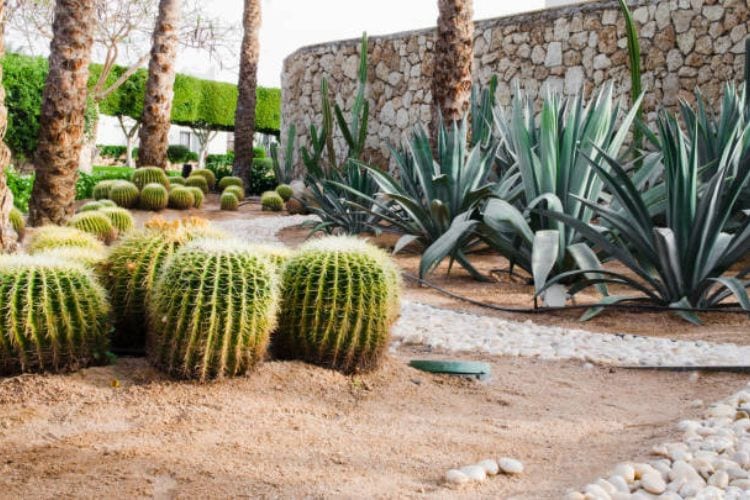
Step 5: Choose the Right Plants for Desert Conditions
With your layout established and hardscape selected, plants fill specific roles within the design framework. Think in terms of structural plants that provide height and architectural form, accent plants that draw attention at focal points, and groundcovers or fillers that soften edges and cover bare ground.
Native plants adapted to your specific climate remain the safest choice—they’ve evolved to thrive in local conditions and typically require the least intervention once established. Adaptive plants from similar climates elsewhere can extend your palette, but research their specific requirements carefully.
Hydro-zoning—grouping plants with similar water needs—simplifies irrigation and prevents the common mistake of overwatering drought-tolerant species. Space plants appropriately; the tendency to plant too densely creates maintenance headaches as plants mature and compete for resources.
Step 6: Design for Shade, Comfort and Outdoor Living
A desert landscape that’s beautiful but unusable defeats the purpose. Creating comfortable outdoor living spaces in harsh climates requires strategic shade provision—whether through shade structures like pergolas and sail shades, or through carefully positioned trees that will provide canopy as they mature.
Position seating areas with the sun’s path in mind. Morning sun might be welcome; afternoon sun typically isn’t. Choose furniture and surface materials that won’t become dangerously hot. Fire features extend usability into cool desert evenings, creating gathering spaces when temperatures finally become comfortable. To further elevate your outdoor areas beyond desert styling, see our guide on landscape improvement ideas.
Step 7: Water-Wise Irrigation and Maintenance
Even drought-tolerant plants need water to establish, and many benefit from occasional deep irrigation during extended dry periods. Drip irrigation delivers water directly to root zones without waste, and zoned systems allow different areas to receive appropriate amounts based on their specific needs.
Rainwater harvesting—directing roof runoff to planted areas or storage tanks—makes use of whatever rainfall does occur. The key principle is deep, infrequent watering that encourages plants to develop extensive root systems, rather than frequent shallow watering that keeps roots near the surface and dependent on constant irrigation.
Common Desert Landscaping Mistakes to Avoid
Over-planting is perhaps the most common error. Desert landscapes need breathing room—the space between plants is as important as the plants themselves. Resist the urge to fill every gap. Using turf grass, even in small areas, undermines the water-wise principles that make desert landscaping sustainable. Mixing plants with incompatible water needs creates ongoing management problems.
Poor drainage kills more desert plants than drought ever will. If your soil doesn’t drain freely, address this before planting. And avoid the temptation to heavily amend desert soil with organic matter—most arid-adapted plants actually prefer lean conditions and struggle in rich, amended soil.
DIY vs Hiring a Desert Landscape Designer
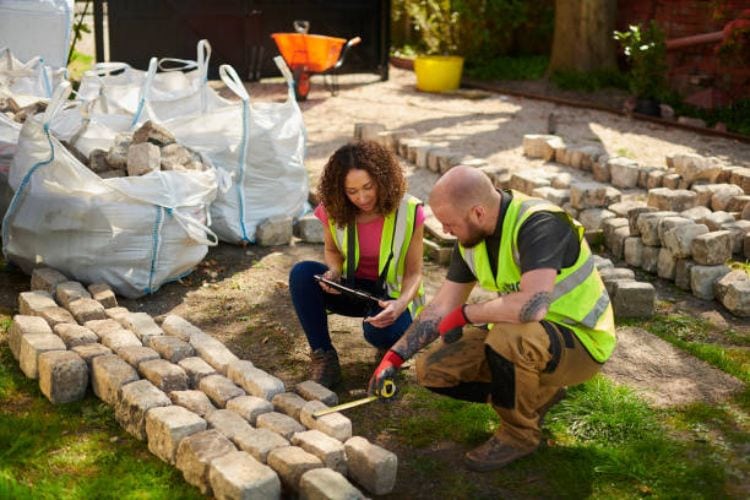
Simple desert landscapes on smaller properties can certainly be DIY projects, particularly if you’re willing to invest time in research and accept some trial and error. However, larger properties, challenging sites, or designs requiring significant hardscape work often benefit from professional input.
A skilled landscape designer brings knowledge of what actually works in your climate, relationships with quality suppliers, and the ability to envision the finished result before construction begins. For complex projects, professional design often saves money in the long run by avoiding expensive mistakes and creating landscapes that genuinely thrive rather than merely survive. For complementary planting and layout inspiration, explore our side yard landscaping ideas.
Frequently Asked Questions
What is xeriscaping?
Xeriscaping is a landscaping approach designed to reduce or eliminate the need for supplemental irrigation. The term comes from the Greek ‘xeros’ meaning dry. While often associated with desert landscapes, xeriscaping principles can be applied in any climate by selecting plants appropriate to local rainfall patterns and grouping them by water needs. It’s not about creating barren, gravelly spaces—well-designed xeriscapes can be lush and colourful while using minimal water.
What is the best gravel for desert landscaping?
The best gravel depends on your design style and practical requirements. Decomposed granite provides a natural, compactable surface ideal for paths and informal areas. Pea gravel offers a softer look but can migrate and is less comfortable to walk on. Larger river rock works well for dry creek beds and drainage areas. Choose colours that complement your home’s exterior and won’t create excessive glare—mid-toned warm colours typically work best in desert settings.
How do I design a desert landscape on a budget?
Start with good bones—invest in layout and key hardscape elements that define the space. Use fewer, larger plants rather than many small ones; they create more impact and establish faster. Source local materials where possible, and consider staging the project over time rather than completing everything at once. Avoid the false economy of cheap plants that fail to thrive; buying quality specimens appropriate to your conditions saves money over repeated replacements.
How much maintenance does a desert landscape need?
Properly designed desert landscapes require significantly less maintenance than traditional gardens—that’s one of their primary appeals. Once established, most desert plants need only occasional deep watering during extended dry periods, annual pruning to maintain shape, and periodic removal of dead material. Gravel areas may need occasional raking and weed prevention. The key is appropriate plant selection and proper establishment; poorly chosen plants or inadequate initial care creates ongoing maintenance problems.
Can desert landscaping still look lush?
Absolutely. Desert landscapes needn’t be sparse or austere. Strategic plant selection—incorporating succulents with fleshy leaves, ornamental grasses that provide movement and softness, and flowering species that provide seasonal colour—creates gardens with genuine abundance. The difference is that this lushness comes from plants adapted to thrive in dry conditions rather than from fighting the climate with constant irrigation.
Creating Your Desert Landscape
Desert landscape design rewards those who take time to understand their site, plan thoughtfully, and select appropriate materials and plants. The result—a beautiful, sustainable outdoor space that thrives with minimal intervention—offers long-term satisfaction that high-maintenance gardens rarely match.
For Melbourne homeowners, the principles of drought-tolerant design are increasingly relevant as water consciousness grows and summers intensify. With over forty years creating sustainable landscapes across Eltham and surrounding suburbs, John French Landscape Design brings extensive experience in water-wise planting, native species selection, and creating outdoor spaces that work with Australian conditions rather than against them.
Ready to explore drought-tolerant design for your property? Contact John French Landscape Design on 0419 725 344 or email info@johnfrenchlandscapes.com.au to discuss your project.
