
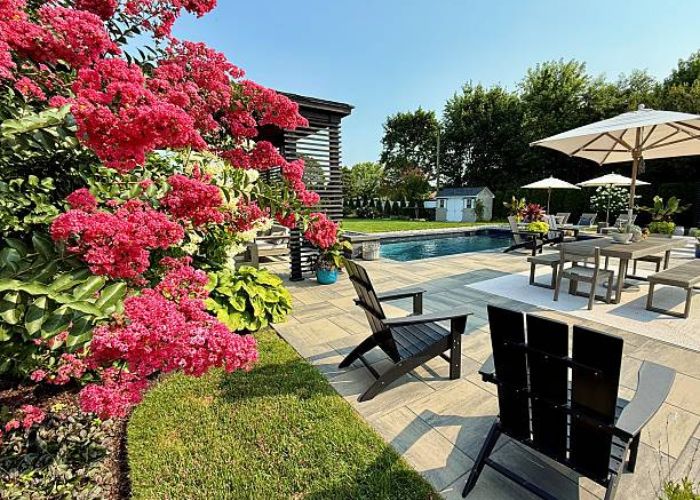
Every homeowner dreams of a beautiful outdoor space—one that welcomes you home, provides a retreat for relaxation, and impresses visitors from the moment they pull up to your property. Whether you’re preparing to sell or simply want to enhance your lifestyle, strategic landscape improvements can transform your yard while delivering real value. From budget-friendly touches to premium outdoor features, the right combination of projects can dramatically boost both curb appeal and property value. Understanding how thoughtful landscape improvements can increase property value is key—see our case studies on improving market price through intelligent design here.
Why Landscape Improvements Matter
Curb Appeal and First Impressions
Your landscape is the first thing potential buyers—or guests—notice about your home. A well-maintained, thoughtfully designed outdoor space creates an immediate positive impression that sets the tone for the entire property. Studies consistently show that homes with attractive landscaping sell faster and command higher prices than comparable properties with neglected yards. Discover creative dry-climate improvements that enhance outdoor areas while reducing water usage.
Emotional and Lifestyle Value vs Financial ROI
Beyond the financial numbers, landscape improvements offer something equally valuable: enhanced quality of life. Your outdoor space becomes an extension of your living area—a place for morning coffee, weekend barbecues, or quiet evenings under the stars. While some projects deliver measurable returns when you sell, others pay dividends in daily enjoyment and family memories.
Expert Insights
According to the National Association of Realtors’ Remodeling Impact Report, landscape improvements consistently rank among the top projects for owner satisfaction and buyer appeal. Real estate professionals note that properties with mature trees, well-maintained lawns, and defined outdoor living areas often sell for 5-15% more than similar homes without these features. As Melbourne landscape designers who’ve been creating landscapes since 1981 can attest, the right improvements work with your property’s natural characteristics rather than against them.
High-ROI Landscape Projects
Standard Lawn Care and Maintenance
The foundation of any attractive landscape is basic maintenance done consistently and well. Regular mowing, fertilizing, and mulching might seem ordinary, but these activities deliver outsized returns for minimal investment.
A healthy, green lawn frames your entire property and provides visual continuity between garden beds and hardscaping. In Melbourne’s variable climate, this means choosing the right grass variety for your conditions—buffalo grass thrives in our warm, humid summers while requiring less water than traditional lawn varieties. Fresh mulch around trees and garden beds not only looks tidy but also suppresses weeds, retains moisture, and enriches soil as it breaks down.
Budget-conscious homeowners can tackle these tasks themselves with proper equipment and a regular schedule. For those who prefer professional expertise, a maintenance program typically costs far less than emergency repairs or complete lawn restoration.
Hardscape Additions
Hardscaping—the permanent structures in your landscape—provides year-round appeal and functionality regardless of season or weather.
Patios, Decks, and Fire Pits
Outdoor entertaining spaces consistently deliver strong returns while enhancing daily living. A well-designed patio creates a seamless transition from indoor to outdoor spaces, effectively expanding your usable square footage. Natural stone, pavers, or composite decking each offer distinct aesthetics and maintenance requirements.
Fire pits have become increasingly popular in Melbourne suburbs, extending the outdoor season into cooler months. Whether you choose a simple ring of stacked stone or a custom built-in design, these features create natural gathering spots that buyers notice and appreciate.
Retaining Walls and Edging
For properties with slopes or drainage challenges, retaining walls serve both functional and aesthetic purposes. They prevent erosion, create usable flat spaces, and add architectural interest to otherwise challenging terrain. Rendered brick, natural stone, or timber sleepers can all work beautifully depending on your home’s style and existing landscape character.
Clean edging between lawn and garden beds creates definition and a polished appearance while making maintenance easier. Steel, timber, or brick edging materials each offer different looks and longevity.
Outdoor Living Features
Outdoor Kitchens
For homes in mild climates like Melbourne, outdoor kitchens represent a premium investment that transforms how you entertain and live. A full outdoor kitchen with built-in barbecue, sink, refrigeration, and counter space creates a true outdoor entertaining hub that significantly enhances your lifestyle and property appeal.
Even scaled-back versions—a quality barbecue station with modest counter space and storage—deliver significant lifestyle value while remaining more accessible for various budgets.
Garden Seating and Pergolas
Shaded sitting areas invite you to actually use your outdoor space rather than simply viewing it from indoors. Pergolas draped with deciduous vines provide summer shade while allowing winter sun—a perfect combination for Melbourne’s climate. Built-in seating, timber benches, or curated furniture arrangements create outdoor rooms that feel intentional and inviting.
Pools and Water Features
In-Ground Pools
Pool landscaping represents one of the most significant investments you can make in your outdoor space. While pools don’t always return their full cost at sale, they can be decisive factors for buyers specifically seeking pool properties—and they deliver enormous lifestyle value for active families.
The key to maximizing pool appeal is thoughtful integration with surrounding landscape elements. Pool landscaping that balances hardscaping for entertaining with strategic planting for privacy and ambiance creates a resort-like feel.
Fountains and Water Elements
For those seeking water features without pool-scale investment, fountains, ponds, or birdbaths add movement, sound, and visual interest to garden spaces. Solar-powered fountains require no wiring and can be installed as DIY weekend projects, while custom water features become signature elements that set your property apart. For insights into professional landscape design techniques for home value that complement your improvement projects, visit our comprehensive Melbourne design page.
Budget-Friendly Landscaping Ideas
Native Plants and Perennials
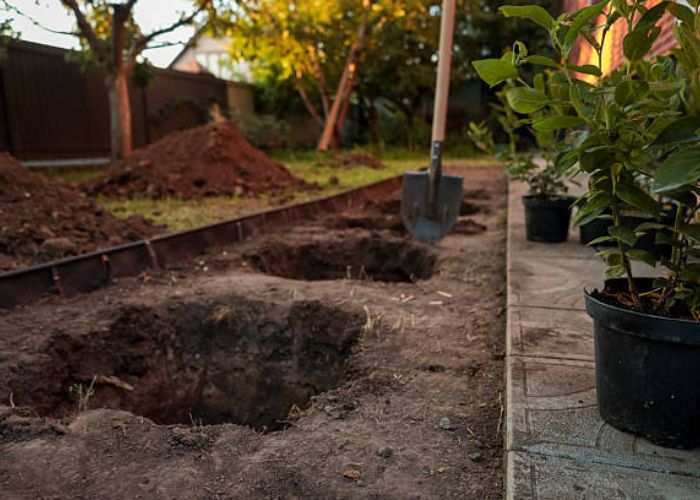
Melbourne’s increasing focus on water conservation makes drought-tolerant native plants both environmentally responsible and economically smart. Australian natives like grevilleas, kangaroo paws, and bottlebrush thrive with minimal watering once established, while delivering stunning colour and attracting native birds and polliwogs.
Grouping plants with similar water needs creates maintenance efficiency while building visual impact through repetition. Combining different textures—fine grasses against bold succulents, for example—adds sophisticated contrast without additional cost.
Native gardens also support local ecosystems, providing habitat and food sources for native wildlife while requiring fewer fertilizers and pesticides than exotic species.
DIY Decor and Garden Art
Personality and charm needn’t cost a fortune. Painted terracotta planters, repurposed vintage finds, or handcrafted stepping stones add character to any garden. Affordable steel edging defines beds cleanly, while salvaged timber can become raised planters, garden furniture, or architectural elements.
The key is editing carefully—a few thoughtfully placed features read as curated, while too many can appear cluttered.
Lighting for Ambiance
Strategic lighting transforms your landscape after dark while enhancing safety and security. Solar-powered stake lights along pathways require no wiring and offer accessible entry points for landscape lighting. String lights over patios or through trees create instant ambiance for minimal investment.
For more sophisticated lighting effects, low-voltage LED systems let you highlight architectural features, uplift trees, or wash garden beds with subtle illumination. While professional installation ensures optimal placement and performance, many systems are accessible to confident DIYers. For tips on choosing the right landscape improvements for your home and ensuring quality results, refer to our complete guide on hiring a landscape designer.

Tips for Planning Your Landscape Project
Working with Professionals vs DIY
Knowing when to tackle projects yourself and when to call professionals saves money and prevents costly mistakes. Basic maintenance, planting annuals, and simple decor are accessible to most homeowners. However, projects involving drainage, retaining walls, electrical work, or significant grading benefit from professional expertise.
Experienced landscape designers understand how plants will mature, how water moves through your property, and how to create cohesive designs that work with your home’s architecture. Professional design and construction administration ensure your investment delivers maximum impact and avoids costly mistakes that can occur with complex projects. If you’re curious about boosting property worth with strategic garden improvements, see our focused article on how landscaping impacts home market value.
Seasonal Timing and Maintenance
Melbourne’s distinct seasons influence both project timing and plant selection. Autumn planting gives trees and shrubs months of mild weather to establish before summer heat arrives. Major hardscaping projects are best completed during drier months when ground conditions are more predictable.
Plan for ongoing maintenance from the design stage—beautiful landscapes remain beautiful only with appropriate care. Choose maintenance levels that match your available time and interest.
Aligning Upgrades with Your Lifestyle
The best landscape improvements reflect how you actually live. Keen gardeners might prioritize raised veggie beds and potting areas, while entertainers benefit most from expanded patio space and outdoor kitchens. Families with young children need durable lawn areas for play, while retirees might prefer low-maintenance plantings that provide year-round interest with minimal effort.
Frequently Asked Questions
What landscape improvements add the most value?
The highest-return projects are typically those that combine broad appeal with visible impact. Professional lawn care and maintenance, fresh mulch, and well-maintained garden beds consistently deliver strong returns for modest investment. Among larger projects, patios and decks, outdoor kitchens, and professional environmental design rank highly. According to the National Association of Realtors, landscaping improvements can return 100-200% of their cost in increased property value, particularly when designs incorporate native, drought-tolerant plantings that reduce ongoing water costs.
How much should I budget for landscaping?
Landscaping budgets vary enormously based on project scope, property size, and the quality of materials you select. Simple refresh projects—new mulch, seasonal plantings, and minor repairs—represent entry-level investments, while mid-range projects might involve new garden beds, irrigation upgrades, or modest patios. Comprehensive landscape redesigns with significant hardscaping, pool landscaping, or outdoor living features require more substantial investment. The best approach is to prioritize projects based on your most pressing needs and lifestyle goals, then discuss budget parameters with a professional landscaper who can provide guidance tailored to your specific property and vision.
Is it worth it to hire a professional landscaper?
For major projects, professional expertise typically pays for itself through better design decisions, proper installation, and avoided mistakes. Professionals understand drainage patterns, soil conditions, and how plants will perform and mature over time. They can also manage construction administration, coordinating trades and ensuring work meets quality standards. DIY makes sense for basic maintenance, seasonal plantings, and simple decor projects. However, anything involving structural work, significant grading, irrigation systems, or integrated hardscaping benefits from professional design and oversight. The investment in quality design upfront prevents costly remediation later.
What are low-maintenance landscaping ideas?
Low-maintenance landscapes start with smart plant selection—native Australian species adapted to your local climate require far less watering, fertilizing, and pest management than exotic alternatives. Grouping plants by water needs allows efficient irrigation. Mulch suppresses weeds while retaining moisture, reducing both watering and weeding demands. Hardscaping—patios, pathways, and decorative rock areas—provides visual interest without ongoing care. Automated irrigation systems deliver consistent watering without manual effort. Finally, evergreen structural plantings provide year-round appeal without the seasonal maintenance deciduous plants require.
How do I choose between different landscape styles?
The best landscape style complements your home’s architecture while reflecting your personal preferences and lifestyle needs. Traditional Federation homes suit cottage gardens with perennials and climbing roses, while contemporary architecture pairs beautifully with minimalist plantings and clean-lined hardscaping. Consider maintenance commitment—formal gardens require regular pruning and shaping, while naturalistic Australian gardens offer beauty with less intervention. Climate considerations matter too; in Melbourne’s variable conditions, blending drought-tolerant natives with strategic deciduous plantings for summer shade creates year-round beauty with reasonable water use. Professional designers can help you explore options that work with your property’s existing features—mature trees, slopes, and sun patterns—rather than against them.
Summary: Choosing the Right Projects for Your Yard
Successful landscape improvements balance immediate appeal with long-term value, personal enjoyment with market considerations. Start by assessing your property’s strengths and challenges—work with existing mature trees, address drainage issues proactively, and enhance existing architectural features rather than fighting them. Learn how landscape architectural elements that improve property appeal form part of long-term improvement strategies in our dedicated architecture article.
Combine high-visibility improvements that boost curb appeal (fresh mulch, lawn care, entrance plantings) with functional upgrades that enhance how you live (patios, lighting, irrigation). Layer in personal touches through plant selection and garden art that reflect your style while respecting your property’s character.
Whether you’re investing thousands or hundreds, thoughtful landscape improvements transform your outdoor space into a valuable asset and a treasured retreat. Ready to explore what’s possible for your property? Contact John French Landscape Design for a consultation to discuss your vision and discover how professional design and construction administration can bring your landscape dreams to life.
John French Landscape Design
Creating landscapes since 1981
3/29 Susan St, Eltham VIC 3095
Phone: 0419 725 344
Email: info@johnfrenchlandscapes.com.au
