
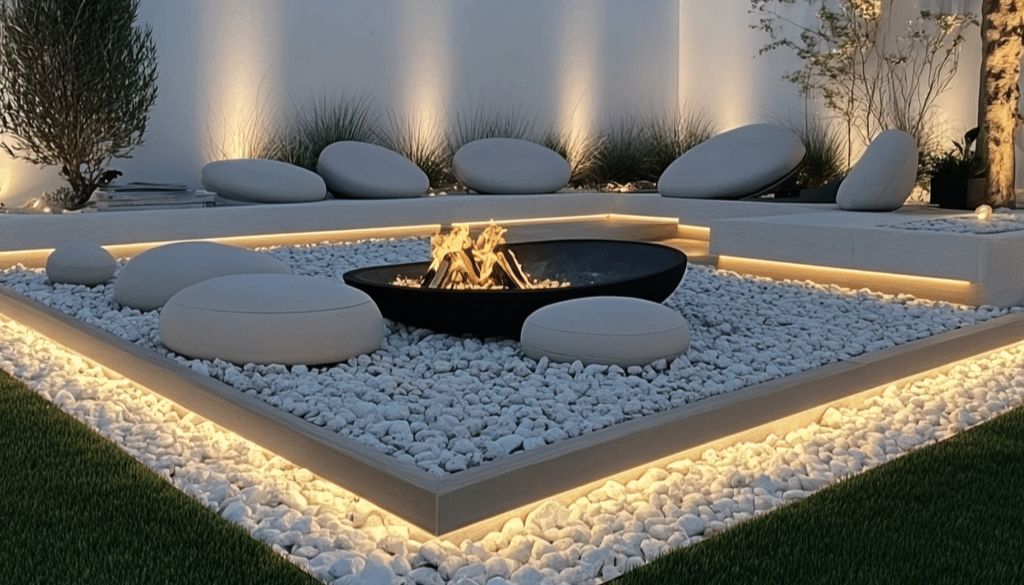
Few features transform a backyard quite like a well-designed fire pit. It becomes the place where evening conversations linger, where weekend gatherings naturally gravitate, and where a simple Melbourne autumn evening turns into something worth remembering. But dropping a fire bowl onto bare lawn and calling it done rarely delivers the result homeowners imagine. The secret lies in the landscaping around the fire pit — the materials underfoot, the seating that frames the space, the planting that softens the edges, and the practical details that keep everyone safe.
Whether you are working with a generous backyard in Eltham or a compact courtyard closer to the city, this guide covers everything you need to plan an outdoor fire pit area that looks considered, feels inviting, and functions well for years to come.
Why Outdoor Fire Pit Landscaping Matters
A fire pit on its own is just a heat source. The landscaping around it is what creates the experience. Thoughtful outdoor fire pit landscaping anchors the feature within the broader garden, turning an isolated element into a destination within your yard. It provides comfortable, defined seating. It manages heat, smoke, and drainage. And it extends the usable hours and seasons of your outdoor living area — a major consideration in Melbourne, where cool evenings arrive early in autumn and linger well into spring.
Beyond function, a landscaped fire pit zone adds genuine value. It creates a natural focal point that draws the eye through the garden, much like a well-planned patio layout anchors an entertaining zone. When materials, planting, and layout are considered together, the fire pit becomes an integrated part of your landscape rather than an afterthought.
Outdoor Fire Pit Landscaping Ideas for Every Space
Built-In Sunken Fire Pit
A sunken fire pit sits below ground level, typically recessed 300–500 mm into a prepared base. This design offers natural wind protection, keeps flames contained, and creates an intimate, almost amphitheatre-like gathering space. Stone, brick, or concrete retaining edges define the perimeter while the recessed position gives the area a sense of privacy and enclosure. It is one of the most architecturally striking options and works particularly well on flat or gently sloping blocks.
Portable Fire Bowls and Braziers
Not every fire pit needs to be permanent. Portable steel or copper fire bowls suit renters, smaller courtyards, or homeowners who want seasonal flexibility. Place the bowl on a fire-safe base — a gravel pad or paver platform — and surround it with moveable outdoor chairs. When the season changes, the entire setup can be stored or repositioned. This approach pairs well with sustainable ground cover alternatives that reduce maintenance around the entertaining zone.
Fire Pit with Integrated Seating
Built-in seating is where outdoor fire pit landscaping moves from good to great. Stone benches, timber seating walls, or rendered masonry curved around the fire pit create a natural social circle. Consider incorporating concealed storage for firewood beneath bench seats, and keep the seating radius between 1.2 and 2 metres from the flame for a comfortable balance of warmth and safety. Circular and semi-circular layouts tend to feel the most natural, encouraging face-to-face conversation rather than a row of chairs facing the same direction.
Corner Fire Pit Retreat
Unused corners of a backyard are ideal candidates for a fire pit zone. Tall screening plants, vertical gardens, or timber privacy screens can enclose the space and create a secluded retreat within the broader garden. The corner position keeps the fire pit away from the main thoroughfare and works especially well in L-shaped patio configurations where the fire pit zone occupies one wing of the outdoor living area.
Alfresco Dining with Fire Pit
Fire pit tables — dining tables with an integrated gas burner at the centre — bridge the gap between entertaining and warmth. This style suits homeowners who want a single zone that handles both dinner and after-dinner drinks without relocating. Pair it with quality outdoor furniture and ambient lighting for evenings that extend well past sunset.
Best Materials for Fire Pit Landscaping
Material selection is critical for both safety and aesthetics. The base and surrounds must handle radiant heat, resist cracking, and complement the broader landscape palette. If you are weighing up options, our guide to the best hardscaping materials covers the properties of common stone, brick, and paver choices in detail.
What to Put Under a Fire Pit
The surface beneath and immediately around a fire pit needs to be non-combustible and stable. Paver stones, fire-rated bricks, and compacted gravel over a road base foundation are the most reliable options. Avoid timber decking directly beneath a fire pit unless a certified heat-shield system is installed. A well-compacted road base layer of at least 100 mm provides drainage and prevents settling over time.
Best Landscape Rock for Fire Pits
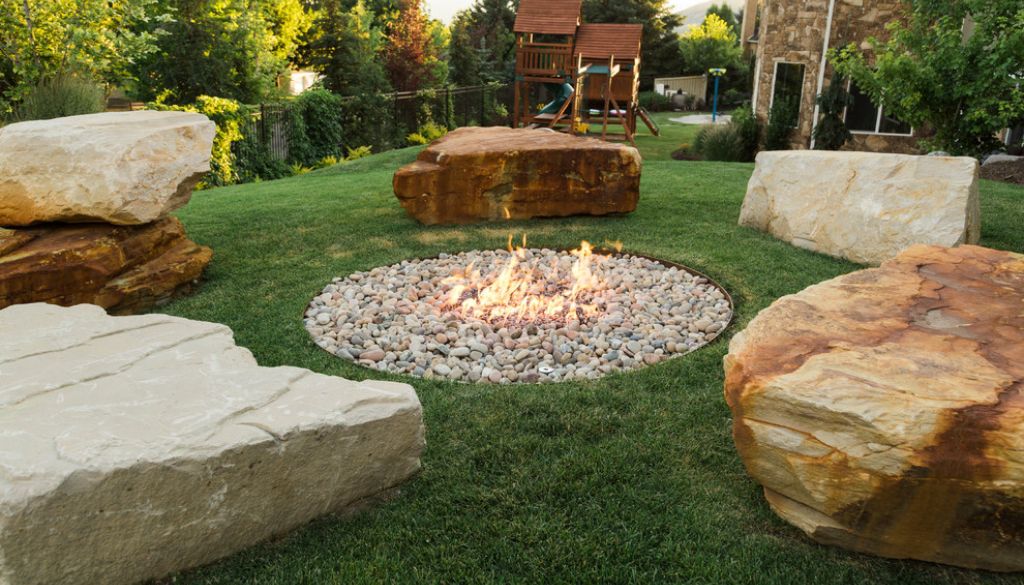
Lava rock is a popular fill for gas fire pits — it is lightweight, heat-resistant, and visually dramatic. Crushed granite makes an excellent surround material, offering a natural tone and good drainage. River rocks can work decoratively but should be fully dry before exposure to flame, as moisture trapped inside can cause cracking or splitting. Sandstone and granite boulders are ideal for defining the perimeter and doubling as informal seating.
Wood vs Gas vs Ethanol: A Quick Comparison
| Feature | Wood | Gas | Ethanol |
|---|---|---|---|
| Heat Output | High | Medium–High | Low–Medium |
| Smoke | Yes | None | None |
| Maintenance | Ash cleanup | Low | Very low |
| Ambience | Authentic flame & crackle | Consistent, controlled | Clean, modern flame |
| Best Suited To | Large, open gardens | Patios & entertainment areas | Small courtyards & balconies |
How to Build an Outdoor Fire Pit Area
Planning and Positioning
Before breaking ground, check your local council regulations. Many Melbourne councils require fire pits to be positioned a minimum distance from boundaries, structures, and overhanging vegetation — typically at least 3 metres from any building and well clear of fences and pergolas. Mark out a radius of approximately 2 metres around the intended fire pit centre, remove any turf within this zone, and excavate to a depth of 100–150 mm to accommodate the base layers.
Creating the Seating Area
Granite boulders, sandstone blocks, or rendered masonry walls make durable, heat-tolerant seating. Position seating in a circular or semi-circular layout facing the fire pit, leaving gaps for access paths. If you are working with a sloped block, tiered seating cut into the grade creates a natural amphitheatre effect that is both functional and visually compelling.
Base, Planting, and Finishing
Compact the excavated area with road base, then apply a 50–75 mm layer of crushed granite or decorative gravel. Around the outer edge of the seating zone, introduce drought-tolerant native planting — grasses like Lomandra, low shrubs such as Westringia, or groundcovers that soften the transition between the fire pit area and the surrounding lawn or garden beds. Mulch planted areas to retain moisture and reduce maintenance. For homeowners in bushfire-prone areas across Melbourne’s outer suburbs, our fire-resistant landscaping guide covers plant selection and material choices that reduce risk while maintaining beauty.
Pros and Cons of Outdoor Fire Pits
Benefits
An outdoor fire pit provides genuine warmth on cool evenings, creates a compelling focal point in the garden, extends the usable season of your outdoor living space, and naturally encourages gathering and conversation. For many homeowners, it becomes the most-used feature in the backyard.
Drawbacks to Consider
Wood-burning fire pits require regular ash cleanup and produce smoke that may affect neighbours in closely built suburbs. Safety demands ongoing attention, particularly with young children or pets. Gas and ethanol alternatives reduce smoke and maintenance but typically deliver less heat and lack the crackling ambience of a real wood fire. Budget for proper drainage beneath the fire pit area, as pooled water accelerates material wear and creates slippery surfaces.
Wood Fire Pit Landscaping Tips
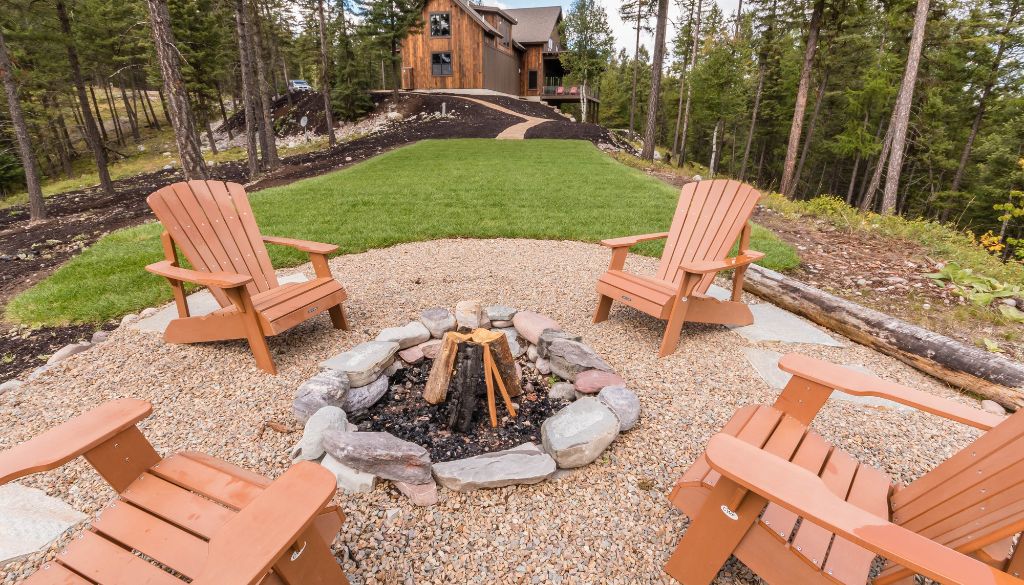
If you prefer the traditional crackle and scent of a wood fire, plan your landscaping to accommodate it. Use only fire-resistant materials within 2 metres of the pit. Build a dedicated firewood storage area — a simple timber rack or stone alcove nearby keeps fuel dry and accessible without cluttering the entertaining zone. Consider prevailing wind direction when positioning the fire pit to steer smoke away from seating areas and the house. A low wall or hedge on the windward side can deflect breezes and improve comfort significantly.
Frequently Asked Questions
What is the best base for a fire pit?
A compacted road base topped with fire-rated pavers or crushed granite provides the most stable, heat-resistant, and well-drained foundation. Avoid placing fire pits directly on grass, timber decking, or unsealed surfaces.
How far should a fire pit be from the house?
Most local councils recommend a minimum of 3 metres from any structure, including fences, pergolas, and overhanging trees. Always verify the specific requirements with your local Melbourne council before installation.
What rocks are safe to use in a fire pit?
Lava rock, crushed granite, and heat-treated fire glass are all safe options. Avoid porous river rocks that may contain trapped moisture, as they can crack or explode when heated rapidly.
Do fire pits add value to a home?
A well-landscaped fire pit area enhances outdoor living appeal and can contribute to a positive impression during property appraisals, particularly when it is integrated into a cohesive landscape design rather than installed as a standalone feature.
Ready to Design Your Fire Pit Area?
At John French Landscape Design, we have been creating landscapes across Melbourne since 1981. From initial consultation through to construction administration and handover, we manage every detail so you get an outdoor fire pit area that fits your block, your lifestyle, and your budget. Whether you are envisioning a sunken stone fire pit surrounded by native planting or a sleek gas feature integrated into your entertaining zone, we can help bring the design to life.
Call us on 0419 725 344 or book a consultation to get started.
