
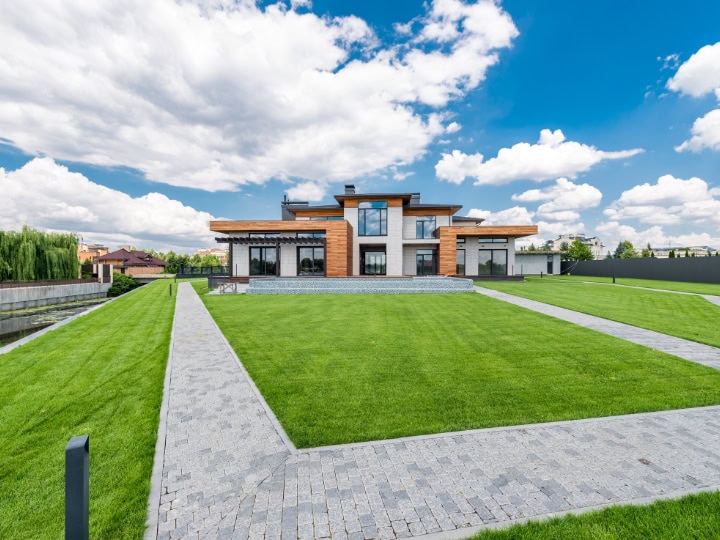
Planning a landscaping project can be both exciting and overwhelming, especially when it comes to budgeting. Whether you’re looking to enhance your front yard’s curb appeal, create an outdoor entertaining space, or completely transform your garden, understanding the costs involved is essential for successful planning.
In 2025, Australian homeowners are investing anywhere from a few thousand dollars for basic garden improvements to $80,000 or more for comprehensive landscape renovations. The wide range reflects the diverse nature of landscaping projects—from simple plant installations to complex outdoor living areas with custom features.
This guide breaks down everything you need to know about landscaping costs, helping you plan your budget effectively and understand what factors influence pricing. Whether you’re in Melbourne’s eastern suburbs or beyond, these insights will help you make informed decisions about your outdoor investment. For a more detailed breakdown of pricing and planning, check out our comprehensive 2025 landscaping project cost & budget guide to help you estimate expenses and allocate your funds wisely.
What’s Changed in 2025?
Landscaping prices in 2025 have shifted slightly across Melbourne as material costs, labour availability, and design trends evolve.
Timber, natural stone and concrete have all increased in price, and more projects now require engineering input for drainage and retaining walls, especially on sloped blocks.
Homeowners are also prioritising outdoor living spaces and drought-tolerant gardens, which has influenced demand and overall project costs.
These factors mean many landscaping budgets in 2025 sit a little higher than in previous years, particularly for projects with custom features or detailed site preparation.
What Affects Landscaping Costs?
Landscaping costs vary significantly based on several key factors. Understanding these elements will help you estimate your project budget more accurately and identify where you might adjust plans to align with your financial goals. For a detailed breakdown of expenses and budgeting tips, check out our comprehensive Landscaping Cost Guide 2025 to help you plan your next outdoor project with confidence.
Project Scope: Softscaping vs Hardscaping
The type of work you’re planning has a major impact on costs. Landscaping projects generally fall into two categories:
Softscaping includes living elements like plants, trees, shrubs, lawn, soil, and mulch. These projects typically cost less per square metre but may require ongoing maintenance investment.
Hardscaping involves non-living structures such as paving, decking, retaining walls, pergolas, and outdoor kitchens. These elements usually represent the higher-cost components of landscape design but provide long-lasting functionality.
Most comprehensive landscape projects combine both elements. For example, a backyard transformation might include new paving (hardscape), garden beds with native plants (softscape), and an outdoor entertaining area with both built structures and surrounding greenery.
Size and Complexity of the Area
Simply put, larger areas require more materials and labour, which increases costs. However, complexity matters just as much as size. A small courtyard with intricate paving patterns, multiple levels, and custom water features may cost more than a larger, straightforward lawn and garden bed installation.
Factors that add complexity include:
- Sloped or uneven terrain requiring retaining walls or extensive earthworks
- Poor drainage that needs correction with specialised systems
- Limited access for machinery, requiring manual labour or specialised equipment
- Underground utilities that need protection or relocation
- Existing structures or mature trees that must be worked around
Custom Features and Design Elements
Adding custom features significantly impacts your budget but can transform your outdoor space into something truly special. Popular custom elements include:
- Outdoor kitchens with built-in appliances and counter spaces
- Custom-designed pergolas or covered entertaining areas
- Swimming pool landscaping and integration
- Water features like ponds, fountains, or cascading walls
- Outdoor lighting systems for ambiance and security
- Fire pits or outdoor fireplaces
- Built-in seating or planters
Additional Factors That Influence Price
Design Complexity and Materials
Professional landscape design services typically range from $1,500 to $5,000 or more, depending on the project scope. The materials you choose also dramatically affect costs. Premium natural stone paving costs significantly more than concrete pavers, and mature specimen plants command higher prices than young nursery stock.
Site Accessibility and Slope
Properties with good access for machinery and materials delivery cost less to landscape. Homes on steep blocks, narrow side access, or multi-level sites require additional labour and equipment, increasing overall costs. Retaining walls alone can add $10,000 to $50,000 depending on height and materials.
Seasonal Timing and Demand
Spring and early summer see peak demand for landscaping services, which can affect both availability and pricing. Planning your project during quieter periods may offer some cost advantages, though weather conditions need to be suitable for the work planned.
Average Landscaping Costs by Project Type
To help you budget effectively, here’s a breakdown of typical landscaping costs for different project scales in 2025. These are indicative ranges based on Melbourne market conditions and will vary based on the specific factors discussed earlier.
Small Projects ($2,000 – $10,000)
Small-scale landscaping projects focus on specific areas or improvements that refresh your outdoor space without major structural changes. These projects are ideal for homeowners looking to make targeted improvements on a modest budget.
Examples of small projects include:
- Garden bed preparation and planting with mulch ($1,500 – $4,000)
- New turf installation for small to medium lawns ($2,000 – $6,000)
- Basic garden edging and pathway installation ($1,500 – $5,000)
- Outdoor lighting system for paths or gardens ($2,500 – $8,000)
- Simple irrigation system installation ($3,000 – $7,000)
Medium Projects ($10,000 – $40,000)
Medium-scale projects typically involve multiple elements and may include both hardscaping and softscaping components. These projects transform significant portions of your outdoor space and often include professional design services.
Typical medium projects:
- Timber decking installation (20-40 square metres) ($12,000 – $25,000)
- Paved patio or outdoor entertaining area ($15,000 – $35,000)
- Low retaining wall installation with garden beds ($10,000 – $30,000)
- Complete front yard renovation with new plants and paving ($15,000 – $40,000)
- Pool surrounds and landscaping integration ($20,000 – $45,000)
Large Projects ($40,000 – $100,000+)
Large-scale landscaping projects represent comprehensive transformations of your outdoor space. These projects typically involve complete design services, significant earthworks, multiple custom features, and both extensive hardscaping and softscaping work.
Large project examples:
- Complete backyard transformation with multiple zones ($50,000 – $80,000)
- Extensive retaining wall systems on sloped blocks ($40,000 – $100,000+)
- Outdoor kitchen and entertaining pavilion with landscaping ($60,000 – $120,000+)
- Whole-property landscape design and construction ($80,000 – $200,000+)
- Knockdown rebuild landscape package with full site works ($70,000 – $150,000+)
Sample Cost Estimates by Feature
Here’s a detailed breakdown of specific landscaping features and their typical costs:
| Feature | Typical Cost Range (2025) |
|---|---|
| Retaining Walls (per linear metre) | $500 – $1,500+ (varies by height and material) |
| Paving (per square metre) | $100 – $400+ (concrete to natural stone) |
| Timber Decking (per square metre) | $250 – $600+ (treated pine to hardwood) |
| Driveway Resurfacing | $8,000 – $25,000 (standard residential) |
| Front Fence Installation | $5,000 – $20,000+ (depending on style and length) |
| Turf Installation (per square metre) | $15 – $40 (including preparation) |
| Garden Bed Preparation | $3,000 – $10,000 (medium to large beds) |
| Pergola Installation | $8,000 – $30,000+ (size and material dependent) |
| Outdoor Lighting Package | $2,500 – $10,000 (basic to comprehensive) |
| Irrigation System | $3,000 – $12,000 (depending on coverage area) |
Note: These costs are indicative only and based on 2025 Melbourne market conditions. Your actual costs may vary based on specific project requirements, material choices, site conditions, and contractor rates.
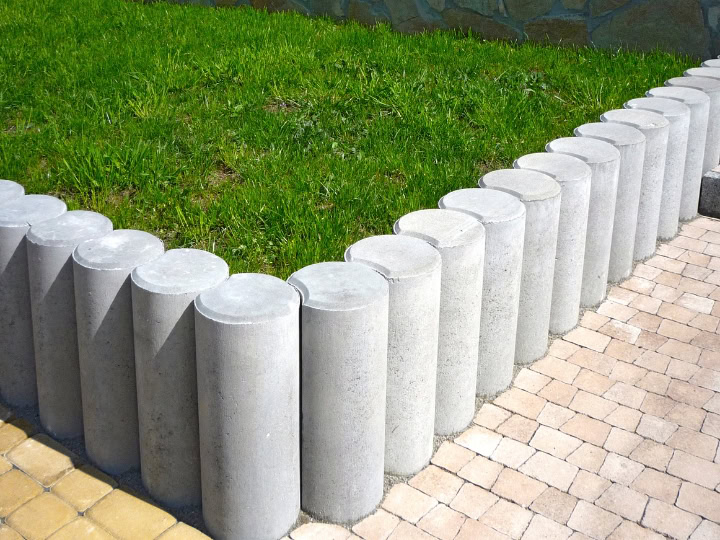
Softscaping vs Hardscaping Costs
Understanding the difference between softscaping and hardscaping costs helps you balance your budget and create a comprehensive landscape that meets both functional and aesthetic goals.
Softscaping: Plants, Soil, and Living Elements
Softscaping involves all the living elements of your landscape. While generally less expensive per square metre than hardscaping, plant selections can range from economical to quite premium depending on your choices.
Typical softscaping costs include:
- Soil preparation and improvement: $30 – $80 per cubic metre
- Quality garden mulch: $40 – $90 per cubic metre delivered
- Native shrubs and groundcovers: $10 – $50 per plant
- Feature trees: $100 – $800+ depending on size and species
- Mature specimen plants: $200 – $2,000+ for established plants
- Turf varieties: $8 – $20 per square metre for instant lawn
Native and drought-tolerant plants are increasingly popular in Melbourne, offering both water-efficiency and lower maintenance requirements. While some native species cost less than exotic alternatives, mature specimens of rare or slow-growing natives can command premium prices.
Hardscaping: Structures and Built Elements
Hardscaping forms the structural foundation of your outdoor space and typically represents the larger investment in landscaping projects. These elements provide functionality, define spaces, and create the framework that supports your softscaping.
Key hardscaping costs:
- Concrete paving: $100 – $180 per square metre
- Stone pavers: $150 – $300 per square metre
- Natural stone: $250 – $600+ per square metre
- Treated pine decking: $250 – $400 per square metre installed
- Hardwood decking: $400 – $600+ per square metre installed
- Retaining walls: $500 – $1,500+ per linear metre
- Rendered or custom walls: $800 – $2,000+ per linear metre
While hardscaping requires a larger upfront investment, these elements typically last 20-30 years or more with minimal maintenance, making them a worthwhile long-term investment in your property.
Balancing Softscape and Hardscape in Your Budget
A well-designed landscape balances both elements. As a general guideline, many successful projects allocate 60-70% of their budget to hardscaping and 30-40% to softscaping. However, this ratio varies significantly based on your priorities and the existing condition of your site.
If you’re working with budget constraints, consider prioritizing structural hardscaping first—paths, retaining walls, and drainage solutions—then adding softscaping in phases. Plants can be added gradually, while structural elements are more difficult and expensive to add or modify later.
Landscaping for Knockdown Rebuild Projects
Knockdown rebuild projects present unique landscaping opportunities and challenges. Starting with a blank slate allows for comprehensive planning but also requires careful budgeting for all site works.
Planning from a Blank Slate
Beginning with cleared land allows you to integrate landscape design with your building plans from the outset. This coordination can result in better outcomes and potentially lower costs by avoiding later modifications to accommodate landscape features.
Key considerations include coordinating drainage with building foundations, planning driveway and access points before construction, determining final ground levels in relation to the house, establishing boundaries and fencing early in the process, and protecting any existing trees you want to retain.
Permit and Engineering Costs
Knockdown rebuild projects often require additional planning and certification:
- Engineering reports for retaining walls: $2,000 – $8,000
- Stormwater management plans: $1,500 – $5,000
- Soil testing and reports: $500 – $2,000
- Council permits for significant earthworks: $500 – $3,000
Site Preparation and Excavation
Site preparation costs vary dramatically based on your block’s existing condition and topography. Flat blocks with good access cost significantly less than sloped blocks requiring extensive earthworks.
Typical site work costs:
- Basic site clearing and leveling: $5,000 – $15,000
- Excavation for level pad on sloped block: $15,000 – $50,000+
- Soil removal or importation: $50 – $150 per cubic metre
- Rock excavation: $200+ per cubic metre
- Temporary retaining during construction: $8,000 – $25,000
Budget 10-15% of your total build cost for comprehensive landscaping on knockdown rebuild projects. For a $500,000 build, allocate $50,000-$75,000 for complete landscape works including all site preparation, structural elements, and planting.
Cost-Saving Tips and Budgeting Advice
Smart planning and strategic decisions can help you achieve beautiful results while managing costs effectively. Here are proven strategies to maximize your landscaping investment.
DIY Options That Make Sense
Some landscaping tasks are well-suited to DIY, while others should always be left to professionals. Understanding this distinction can save you money without compromising quality or safety.
Good DIY candidates:
- Planting garden beds and installing smaller plants
- Spreading mulch and basic garden maintenance
- Installing simple garden edging
- Painting or staining timber features
Leave to professionals:
- Any structural work including retaining walls
- Electrical work for lighting and pumps
- Complex paving and decking
- Drainage and stormwater systems
- Tree removal or work near property boundaries
Phased Approach to Landscaping
Breaking your landscaping into stages allows you to manage cash flow while still working toward your complete vision. This approach is particularly effective for large-scale projects.
Suggested phasing:
Phase 1: Essential infrastructure – Drainage, retaining walls, access paths, and basic lawn areas. These create a functional space and prevent future complications.
Phase 2: Primary outdoor living areas – Patio, deck, or main entertaining space where you’ll spend the most time.
Phase 3: Garden development – Develop garden beds, add feature planting, and refine the landscape.
Phase 4: Finishing touches – Lighting, water features, and premium elements that complete the vision.
Getting Quotes and Comparing Landscapers
Obtaining multiple quotes helps you understand market rates and find the right professional for your project. However, the lowest quote isn’t always the best value.
When comparing quotes, consider:
- Detailed scope of work and materials specifications
- Professional qualifications and appropriate insurance
- Portfolio of completed projects and verifiable references
- Project timeline and payment schedule
- Warranty or guarantee on workmanship
- Communication style and responsiveness
Aim for at least three detailed quotes from experienced landscapers. Be wary of quotes significantly lower than others—they may indicate shortcuts in materials or execution that could cost you more in the long run.
Additional Budget-Friendly Strategies
- Choose materials wisely: Select durable, cost-effective materials that deliver good aesthetics
- Buy plants at smaller sizes: Young plants cost less and establish better than mature specimens
- Plan for the future: Install infrastructure like irrigation sleeves even if not immediately using them
- Consider native plants: Often cheaper to buy and require less water and maintenance
- Time your project: Scheduling during quieter periods may offer better rates and attention
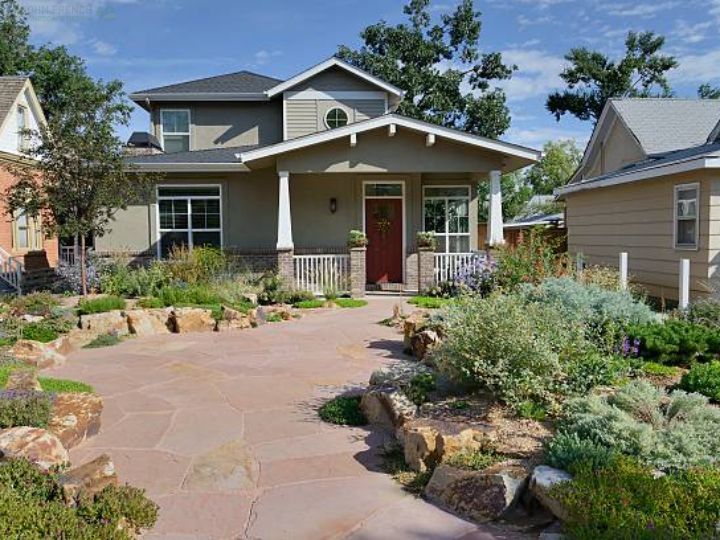
How Much Value Does Landscaping Add?
Beyond the enjoyment of beautiful outdoor spaces, landscaping represents a tangible investment in your property’s value. Understanding the potential returns can help justify your landscaping budget and guide your investment decisions.
Estimated Value Increase
Research consistently shows that quality landscaping increases property value. While exact figures vary by location and property type, well-executed landscaping typically adds 6-7% to your home’s value, with some premium projects returning even more.
For a Melbourne property worth $1,000,000, this translates to $60,000-$70,000 in added value from comprehensive landscaping. Front yard improvements that enhance curb appeal tend to offer particularly strong returns, often recouping 100% or more of their cost in increased sale price.
However, it’s important to note that while landscaping adds value, the return isn’t always dollar-for-dollar. A $100,000 landscape might add $70,000-$80,000 in value, making it more about creating the outdoor lifestyle you want rather than purely financial return.
What Buyers Notice
When selling your property, certain landscape features particularly appeal to buyers and influence purchase decisions:
- Curb appeal: First impressions matter enormously; a well-maintained front garden significantly influences buyer interest
Outdoor entertaining spaces: Patios, decks, and alfresco areas that extend living space are highly desirable
- Low maintenance gardens: Busy buyers appreciate established, easy-care landscapes with automated irrigation
- Privacy and screening: Mature hedges and strategic planting that create private outdoor spaces
- Quality finishes: Professional-grade paving, lighting, and garden structures signal a well-maintained property
Maintenance vs Renovation Balance
The best return on investment comes from finding the sweet spot between over-improvement and neglect. Your landscape investment should align with your neighbourhood’s standards and your home’s overall value.
As a general guideline, your total landscape investment (excluding basic maintenance) should be 10-15% of your property’s value. For a $1,000,000 property, this suggests a landscape budget of $100,000-$150,000 over the life of your ownership is appropriate for maximizing both enjoyment and resale value.
Regular maintenance also preserves your investment. Annual spending of $2,000-$5,000 on garden care, seasonal refreshes, and minor repairs keeps your landscape looking its best and prevents costly problems from developing.
Frequently Asked Questions
What is the average cost of landscaping in Australia?
The average cost varies significantly by project scope, but most Melbourne homeowners invest between $20,000 and $80,000 for comprehensive landscape design and construction. Small improvements may cost $2,000-$10,000, while extensive whole-property transformations can exceed $100,000. Your costs will depend on your property size, design complexity, material choices, and the extent of work required.
How much should I budget for landscaping a new home?
For new home construction or knockdown rebuild projects, allocate 10-15% of your total build cost for complete landscaping. This includes all site preparation, drainage, structural elements, and planting. For a $500,000 build, plan for $50,000-$75,000 in landscaping investment. This ensures your outdoor spaces match the quality of your new home and addresses all necessary site works.
Is hardscaping more expensive than softscaping?
Yes, hardscaping typically costs more than softscaping. Structural elements like paving, decking, and retaining walls require significant materials and skilled labour, with costs ranging from $100-$600+ per square metre. Softscaping—plants, soil, and mulch—generally costs less initially but requires ongoing maintenance investment. Most successful landscape projects allocate 60-70% of their budget to hardscaping and 30-40% to softscaping.
Can landscaping increase my property value?
Absolutely. Quality landscaping typically adds 6-7% to property value, with exceptional projects returning even more. Front yard improvements offering strong curb appeal often recoup 100% or more of their cost. While not every landscaping dollar translates directly to increased sale price, the combination of enhanced marketability, faster sales, and higher offers makes landscaping a worthwhile investment that also provides years of enjoyment.
What’s the cheapest way to improve my garden?
The most cost-effective improvements focus on high-impact, low-cost changes. Start with a thorough clean-up, fresh mulch application ($400-$800 for an average garden), and strategic planting with native plants that establish quickly. Simple garden edging ($1,500-$3,000) creates definition, while basic path lighting ($500-$1,500) adds ambiance. These improvements can dramatically enhance your garden’s appearance for $3,000-$6,000 total investment.
Planning Your Landscaping Investment
Landscaping represents one of the most rewarding investments you can make in your property. It creates functional outdoor spaces for relaxation and entertainment, increases your home’s value, and enhances your daily quality of life.
By understanding the costs involved and the factors that influence pricing, you can plan a landscaping project that aligns with both your vision and your budget. Whether you’re starting with a blank canvas on a new build or refreshing an established garden, working with experienced landscape professionals ensures your investment delivers lasting results.
Remember that landscaping doesn’t need to happen all at once. A phased approach allows you to create beautiful outdoor spaces while managing costs over time. Prioritize structural elements and essential infrastructure first, then progressively add layers of detail and refinement.
Most importantly, invest in professional design and quality workmanship for the best long-term outcomes. A well-planned and properly executed landscape will provide decades of enjoyment while adding tangible value to your property. To get the most out of today’s innovative landscaping ideas, it’s essential to understand updated landscaping cost trends for 2025 and how they affect your overall project budget.
Ready to Start Your Landscaping Project?
If you’re planning a landscaping project in Melbourne’s eastern suburbs, we’d love to help bring your vision to life. With over 40 years of experience creating beautiful, sustainable outdoor spaces, we can guide you through every step of the process—from initial concept through to final handover.
Our services include:
- Professional landscape design tailored to your property and budget
- Complete construction management and quality workmanship
- Specialist expertise in sustainable, drought-tolerant gardens
- Pool landscaping and outdoor living area design
- Expert guidance on material selection and budgeting
Contact us today for an obligation-free consultation. We’ll discuss your ideas, assess your property, and provide clear guidance on costs and timelines for your project.
John French Landscape Design
Phone: 0419 725 344
Email: info@johnfrenchlandscapes.com.au

