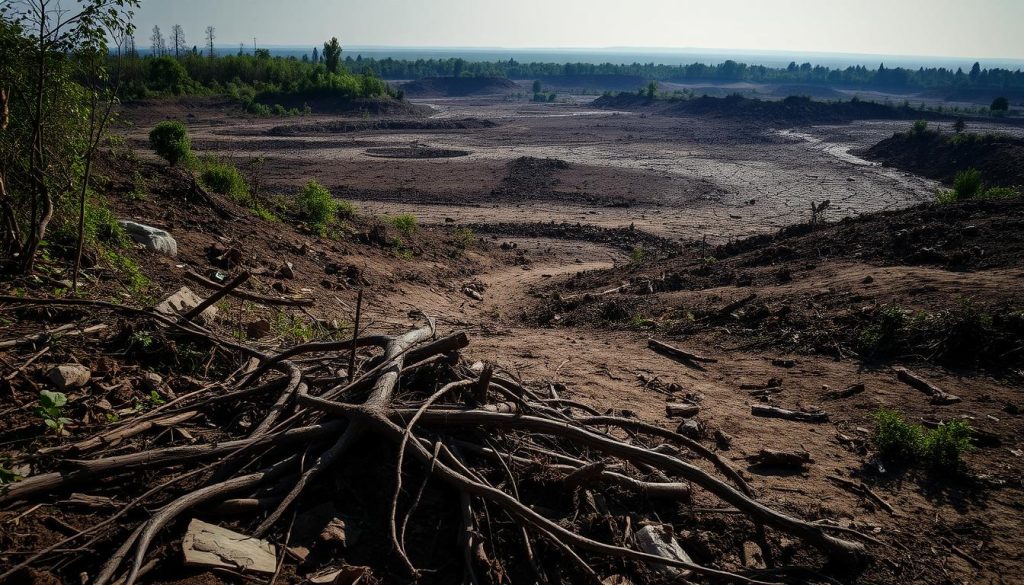
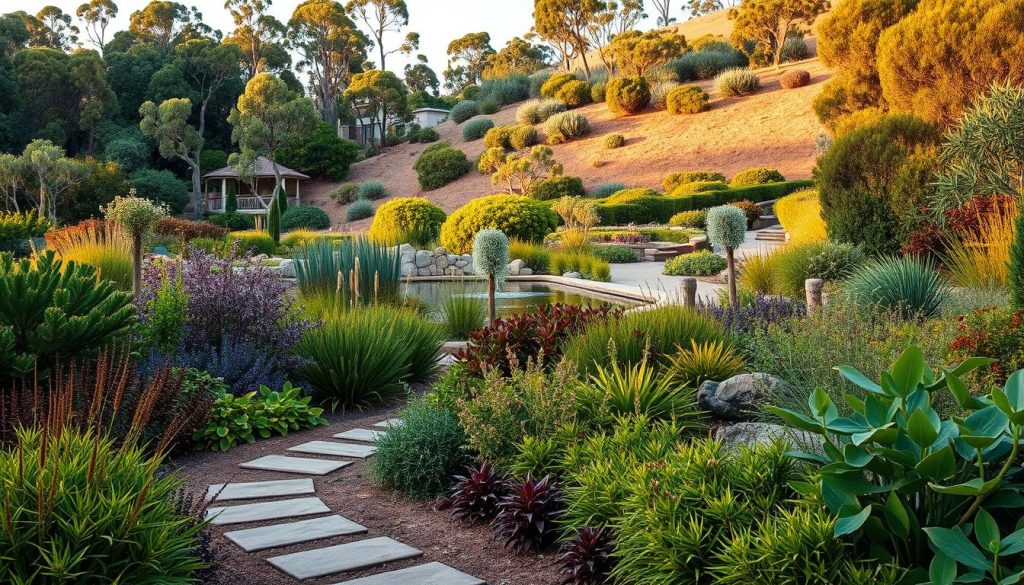
Ever looked at your garden and imagined something better? A refreshed outdoor space does more than boost curb appeal – it creates a personal oasis that thrives through the seasons. But where do you start when tired shrubs and patchy lawns need attention?
When planning a renovation that includes outdoor upgrades, incorporating professional landscaping services can ensure you select the right plants that thrive in your local environment and complement your overall design vision.
Smart plant selection makes all the difference. Those vibrant flowers at the nursery might catch your eye, but will they handle Sydney’s summer heat or your soil’s pH? Many gardeners learn the hard way that looks aren’t everything. Choosing the right plants comes from matching greenery to your specific conditions. True success comes from selecting plants that thrive in your space.
Selecting the right plants is only part of the equation—successful landscaping also depends on irrigation system maintenance and repair to ensure your new greenery receives consistent and efficient watering.
Think about what your garden needs most. Shade-loving ferns under that jacaranda? Drought-resistant natives for easy care? The right picks create a living space that grows with you and enhances your home’s aesthetic appeal. Bonus: Well-chosen plants reduce water bills and maintenance time, adding value to your property.
Key Takeaways
- Assess sunlight patterns and soil quality before picking greenery
- Prioritise native species adapted to local climate conditions
- Mix evergreen plants with seasonal bloomers for year-round interest
- Consider mature plant sizes to avoid overcrowding later
- Group plants with similar water needs to simplify care routines
Ready to transform your patch? Let’s explore how to create a garden that flourishes – no green thumb required.
Assessing Your Current Outdoor Space for Renovation
Does your backyard feel more like a chore than a retreat? Start by playing detective in your own garden. Walk through each zone with a critical eye – what makes you smile, and what makes you sigh? Snap photos at different times to catch how shadows or harsh sunlight affect your space.
Whether you’re refreshing a small garden or overhauling your entire yard, landscaping restoration and renovation plays a crucial role in reviving neglected spaces and enhancing the beauty and functionality of your outdoor area.
Spotting Problem Zones
Overgrown shrubs stealing your pathway? Trees blocking morning light? These troublemakers often hide in plain sight. Look for plants crowding walkways or leaning on fences. Ask: “Does this belong here?” Sometimes removal beats constant pruning to improve your outdoor space.
| Feature | Current State | Potential Upgrade |
|---|---|---|
| Pathways | Cracked pavers | Gravel or natural stone |
| Fences | Peeling paint | Stained timber screens |
| Patio | Uneven surface | Leveled composite decking |
Hardscape Health Check
That wobbly bench isn’t just quirky – it’s a safety hazard. Test each seating area and surface. Do steps need handrails? Could worn tiles become slip risks in rain? Pro tip: Fix structural issues before adding new plants to enhance the aesthetic appeal of your garden.
Finally, map out your “keep list”. Mature trees or healthy perennials give instant character and functionality. They’re the backbone of your new design – everything else works around them to create beauty and value in your home.
Understanding Your Soil Type and Garden Conditions
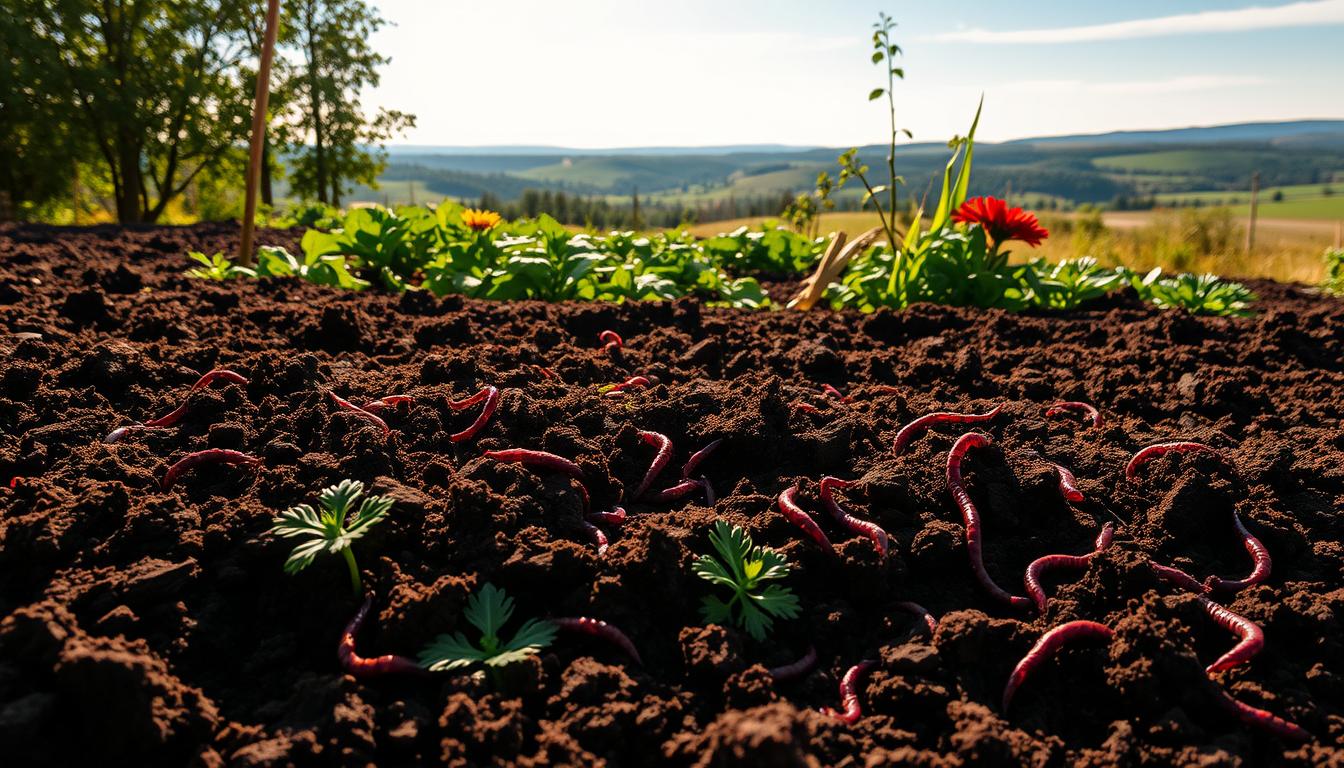
Have you ever wondered why some plants thrive while others wilt in your garden? The answer often lies beneath your feet. Healthy soil acts like a VIP lounge for roots – it determines which greenery gets to thrive. Start by getting to know your dirt’s personality through simple tests.
Conducting a Soil Test and Improvements
Grab a $15 test kit from your nursery – it’s like a health checkup for your garden. These kits reveal three key things: acidity (pH), nutrients, and texture. Clay soils stick together like playdough, while sandy types drain faster than a sink. Understanding your soil type is essential to choose plants that will thrive in your outdoor space. Pro tip: Mix in compost to boost moisture control in sandy areas, or add gypsum to break up heavy clay for better landscaping.
Adapting to Local Climate Conditions in Australia
Australia’s weather plays rough – coastal breezes, desert heat, and tropical downpours all demand different plant strategies. Check the Bureau of Meteorology’s climate maps to see your area’s rainfall patterns and temperature extremes. Melbourne’s cool winters suit camellias, while Darwin’s humidity calls for hardy palms that enhance the beauty and functionality of your garden.
| Soil Type | Drainage | Best For | Improvement Tip |
|---|---|---|---|
| Clay | Slow | Fruit trees | Add organic matter |
| Sandy | Fast | Native shrubs | Use mulch |
| Loam | Balanced | Most plants | Maintain pH 6-7 |
Notice how morning sun hits your back fence? That’s a microclimate – small areas with unique growing conditions. Track these spots through seasons to find where delicate plants might thrive. Pair this knowledge with current garden design trends for a space that’s both beautiful and resilient.
Choosing The Right Plants for Renovation Projects
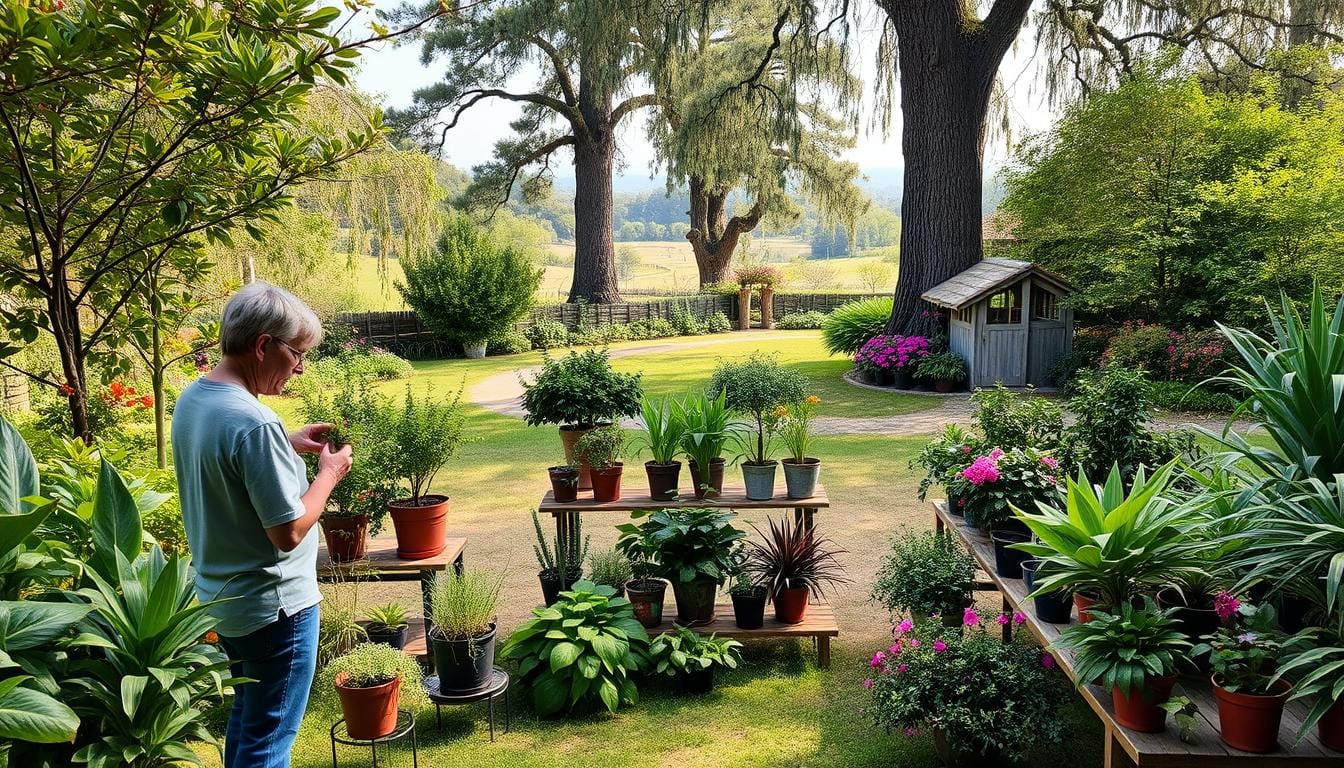
What if your garden could thrive with minimal effort? The secret lies in treating your outdoor space like a puzzle – each piece must fit its specific spot. Start by mapping sunlight patterns across different areas throughout the day to ensure optimal lighting for your plants.
Your Plant Matchmaking Guide
Create a quick checklist for every potential green candidate:
| Factor | Questions | Solution |
|---|---|---|
| Light | Full sun or shade? | Match to garden zones |
| Water | Daily drinks or drought-proof? | Group by needs |
| Soil | Clay or sandy base? | Test & amend |
Why fight nature when you can work with it? Sydney’s coastal suburbs need different greens than western foothills. That vibrant hydrangea might wilt in Parramatta’s heat but flourish in Manly’s sea breezes.
Zone-Specific Planting Secrets
Break your space into micro-environments. North-facing walls bake in summer sun – perfect for rosemary or kangaroo paws. Damp corners under trees? Try cliveas or native violets. Pro tip: Visit your council’s website for recommended species lists tailored to local conditions.
Remember: Great gardens grow from smart matches, not constant battles. Choose companions that love your soil and climate as much as you love their looks.
Incorporating Functional and Aesthetic Landscaping Elements
Great gardens dance between beauty and purpose. Like a well-planned room, your outdoor space needs both style and smart layout. Start with permanent features that shape how you’ll use the area daily.
Building Your Garden’s Backbone
Why let pathways be an afterthought? Materials choose your garden’s personality:
| Material | Effect | Best For |
|---|---|---|
| Decomposed granite | Rustic charm | Bushland gardens |
| Concrete pavers | Clean lines | Modern spaces |
| Stepping stones | Playful flow | Family yards |
Vertical structures do double duty. A painted trellis supports star jasmine while hiding bins. Retaining walls made from local sandstone create planting pockets for herbs.
Planting With Purpose
Mix native warriors with showy bloomers. Kangaroo paws add spikes of colour needing little water. Soften crisp edges with flowing Lomandra grasses. Remember: even practical elements can dazzle.
Lighting transforms night gardens. Solar LEDs highlight feature trees without cables. A small pond attracts birds while masking street noise. Pro tip: Group seating areas near scented plants like lemon myrtle for evening relaxation.
Your garden’s magic happens when every piece plays its part. Sturdy paths guide wet-weather walks. Flowering vines make fences disappear. It’s not just about plants – it’s crafting spaces where life unfolds beautifully.
Planning Irrigation and Water Conservation Strategies
What if your outdoor space could drink smarter, not harder? Australia’s climate demands clever water management – especially when refreshing garden areas. Let’s explore systems that keep greenery lush without draining resources.
Smart Water Delivery Systems
Drip irrigation works like a slow IV drip for plants. Tiny tubes deliver moisture straight to roots, cutting waste by up to 60% compared to sprinklers. Perfect for veggies or new shrubs needing steady sips to help them thrive.
| Method | Water Use | Best For | Install Cost |
|---|---|---|---|
| Drip lines | Low | Garden beds | $$ |
| Sprinklers | High | Lawns | $ |
| Soaker hoses | Medium | Hedges | $ |
Harvesting Every Drop
Why let rain go down the drain? Connect tanks to downpipes for free plant drinks. Even small 100L barrels make a difference during dry spells. Pair with water-saving practices like morning watering to slash usage further.
Mulch acts like a sponge blanket. A 5cm layer keeps soil damp for days between waterings. Native grasses and succulents thrive on neglect once established – ideal for low-maintenance zones.
Tech takes the guesswork out. Soil sensors linked to smart irrigation controllers adjust schedules automatically. No more overwatering when storms hit!
Remember: Group thirsty plants near taps, drought-lovers further out. Your water bill – and the planet – will thank you.
Budget-Friendly Renovation Ideas for a Stylish Garden
Who says garden makeovers need deep pockets? Smart updates blend creativity with practicality. Start by hunting through your shed or local reuse centre – you’ll find gold where others see junk.
DIY Landscaping Projects and Repurposing Materials
Old bricks become charming herb spirals. Chipped terracotta pots? Drill drainage holes for succulent towers. Pro tip: Pallet wood makes perfect vertical gardens – stain it to match your front yard transformations.
Choosing The Right Plants for Renovation Projects
Swap pricey annuals for self-seeding natives. Lomandra grasses spread naturally, while pigface flowers thrive on neglect. Buy smaller tubestock – they’ll catch up to larger plants in one season with good soil prep.
When choosing plants for renovation projects, it’s important to consider the common challenges in landscaping restoration, such as poor soil quality, drainage issues, or mismatched plant selections that can hinder long-term success.
Remember: Great gardens grow from clever choices, not big spending. Mix DIY flair with tough-as-nails greens for a space that shines without breaking the bank.
FAQ
How do I know which plants suit my garden’s soil type?
Start with a soil test kit from Bunnings or your local nursery. Sandy soils drain quickly, while clay holds moisture. Match plants like grevilleas or banksias to sandy soils, and camellias or azaleas to acidic, loamy soils. Adding compost or mulch can improve nutrient levels, helping your plants thrive in your garden.
What are low-maintenance plants for Australian climates?
Native species like kangaroo paw, lomandra, or bottlebrush thrive with minimal care. Succulents and ornamental grasses also handle heat well in various climates. Think about water needs – drought-tolerant plants save time and resources, especially in drier regions, enhancing the appeal of your landscape.
How can I create privacy without blocking sunlight?
Use semi-transparent screens or plant tall, narrow shrubs like lily pillies or bamboo varieties. Climbing plants on trellises, such as star jasmine, add greenery without overwhelming the space. Strategic placement ensures light still filters through, balancing privacy and functionality in your garden design.
Are drip irrigation systems worth the cost?
Absolutely! Brands like Holman or Orbit offer affordable kits that reduce water waste by targeting roots directly. They’re ideal for gardens with mixed zones – you’ll save money on bills and keep plants healthier during summer droughts, enhancing the overall life of your landscape.
Can I mix modern and native plants in my landscape design?
Yes! Pair structural plants like yucca or agave with softer natives like emu bush. Use mulch or gravel pathways to tie the look together. This balance adds texture while supporting local wildlife – win-win for your property’s style!
What budget-friendly materials work for DIY pathways?
Crushed granite, recycled bricks, or stepping stones from Mitre 10 are cost-effective. For a natural vibe, try decomposed granite stabilised with a grid system. These options are durable, easy to install, and complement most garden styles, enhancing the functionality of your outdoor space.
How do I protect plants during a renovation?
Cover delicate plants with shade cloth or temporarily relocate them. Use barriers like plywood to shield garden beds from debris. Water thoroughly before and after work to reduce stress – your plants will thank you and continue to thrive in your landscape!