
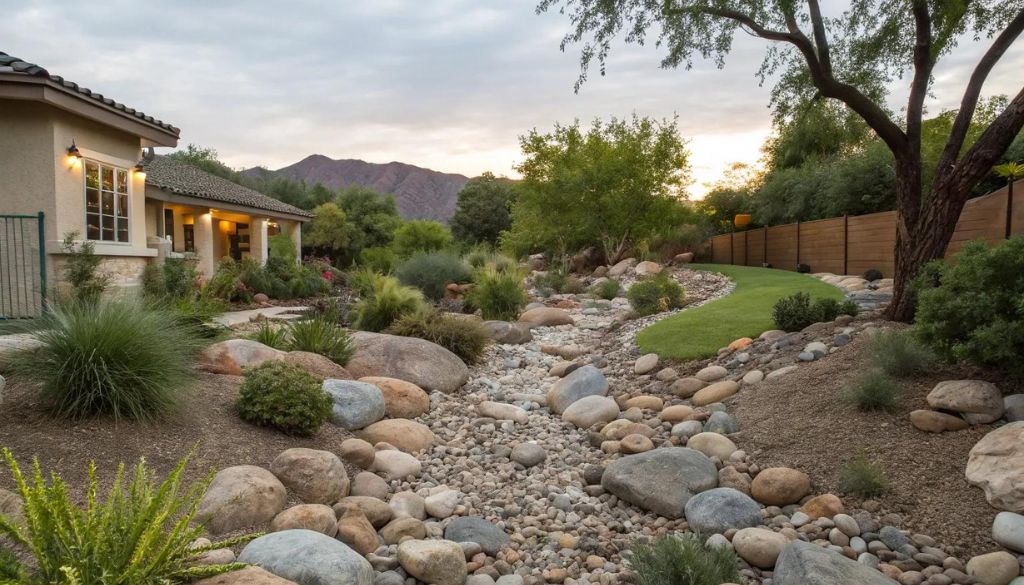
A creek running through your Melbourne property can be one of its most striking natural features — providing wildlife habitat, natural drainage, and a sense of calm that no hardscape can replicate. But over time, even the healthiest waterways accumulate debris, sediment, invasive weeds, and fallen branches. When blockages take hold, water flow slows, banks begin to erode, and what was once an asset can quickly become a liability.
Cleaning out a creek bed properly is less about brute force and more about understanding the ecology of your waterway. Done correctly, the process restores natural flow, protects surrounding soil, and supports the native plants and animals that depend on the creek. Done badly, it can strip beneficial vegetation, destabilize banks, and create bigger erosion problems downstream.
At John French Landscape Design, we have been designing and managing residential landscapes across Eltham and Melbourne’s north-eastern suburbs since 1981. Water management — from drainage channels to creek-side plantings — is a core part of what we do. In this guide, we share the best way to clean out a creek bed so your waterway works for your property rather than against it.
Related Reading: If you’re planning broader waterway or drainage improvements, our landscaping for beginners guide covers foundational concepts that pair well with the steps below.
Why Creek Bed Maintenance Matters
Melbourne’s suburban blocks — particularly in Eltham, Viewbank, and surrounding areas — often sit alongside or above small waterways and drainage channels. These creeks are vulnerable to seasonal leaf fall, storm surges, and gradual sedimentation. Regular maintenance protects both the environment and your property investment.
The key benefits of a clean creek bed include:
- Improved water flow during heavy rain events
- Reduced risk of localised flooding and overland water flow
- Prevention of soil erosion along the creek banks
- Protection of nearby structures, garden beds, and paving
- Preservation of aquatic habitats and water quality
- Maintained property appearance and value
Neglecting creek maintenance allows debris to accumulate and form natural dams — these raise the water table upstream, accelerate bank erosion, and can undermine nearby retaining walls or paving. If you use hardscaping materials along your creek edges, keeping the waterway clear is essential to protecting that investment.
Signs Your Creek Bed Needs Cleaning
Not every creek requires intervention every year. Watch for these warning signs that maintenance is overdue:
- Water pooling or noticeably slow-moving flow after rain
- Large debris — branches, logs, or rubbish — blocking the channel
- Visible sediment buildup raising the level of the creek floor
- Invasive weeds or dense non-native vegetation overtaking the banks
- Eroding banks with exposed soil or roots
- Water overflowing the creek channel during moderate rainfall
If you observe any of these signs — particularly after Melbourne’s autumn leaf fall or following storm events — it’s time to act before minor blockages become major repairs.
Step-by-Step Guide: The Best Way to Clean Out a Creek Bed
Step 1 — Inspect the Entire Creek Channel
Before removing a single branch, walk the length of the creek and document its condition. Note blockage locations, areas of bank erosion, invasive plant infestations, and any signs of significant sediment build-up. Take photos for comparison after the clean-out is complete.
This inspection also lets you identify stable natural formations — rocks, woody debris piles, or established root systems — that provide habitat for aquatic life and should be left undisturbed.
Step 2 — Remove Large Debris First
Start with the biggest obstructions: fallen tree trunks, large branches, and any non-natural materials such as construction waste or rubbish that have washed in. Work from upstream to downstream so dislodged material doesn’t resettle in areas you’ve already cleared.
Be deliberate about what you remove. A single large log can provide crucial habitat for frogs, insects, and small reptiles common to Melbourne’s green corridors. If woody debris isn’t actively obstructing flow, consider leaving it in place or repositioning it to the bank edge.
Step 3 — Clear Excess Sediment
Sediment accumulation — mud, sand, leaf litter, and decomposed organic matter — is one of the most common reasons creek beds lose their carrying capacity. Remove excess buildup using shovels, rakes, and buckets or a wheelbarrow for disposal.
The key word here is “excess.” A thin layer of fine sediment is natural and supports aquatic ecosystems. Only remove enough material to restore the creek’s original channel depth and allow free water movement.
Step 4 — Tackle Weeds and Invasive Plants
Invasive vegetation is a major creek health issue across Melbourne. Species like blackberry, willows, and kikuyu grass can destabilise banks and restrict water flow. Remove invasive plants carefully — including root systems where possible — using hand tools rather than herbicides, which can leach into the waterway.
Preserve any native groundcovers, sedges, or grasses already established on the bank. These species are your greatest allies in bank stabilisation. For plant selection guidance, our guide to low-maintenance shrubs covers a range of drought-tolerant natives well suited to riparian edges in Melbourne’s climate.
Step 5 — Stabilise and Revegetate the Banks
Bank stabilisation is the most important step for long-term creek health — and the one most often skipped. Once debris and weeds are removed, bare soil is highly vulnerable to erosion from the next rain event.
Effective bank stabilisation methods include:
- Planting native sedges, grasses, and shrubs along the bank edge
- Using natural rock or stone to reinforce vulnerable sections
- Laying biodegradable erosion-control matting in steep or bare areas
- Mulching disturbed soil with natural materials to retain moisture and reduce runoff
This is an area where professional guidance pays dividends. At John French Landscape Design, our environmental design service specialises in integrating native plantings with creek and drainage management — the same principles we apply in projects across Eltham, Doncaster East, and Viewbank. Learn how this approach translates to side-of-property drainage situations in our landscaping ideas for the side of house article.
Step 6 — Dispose of Debris Responsibly
Collected debris must be handled thoughtfully. Organic materials — leaf litter, small branches, plant matter — can be composted or chipped into mulch. Larger branches may be repurposed as firewood. Non-organic rubbish should be disposed of through your local council’s waste services.
Never dump removed materials back into the creek channel or in drainage areas upstream. This simply relocates the problem rather than solving it.
Environmentally Responsible Creek Cleaning: Key Principles
Creek maintenance in Victoria must balance practical outcomes with environmental protection. Several regulations govern work in or near waterways — including approvals from Melbourne Water and local councils for significant works — so it’s worth understanding your obligations before you begin.
As a general guide:
- Avoid using heavy machinery unless absolutely necessary — excavators compact soil and destroy bank structure
- Never use herbicides or pesticides within the creek channel or on the bank edge
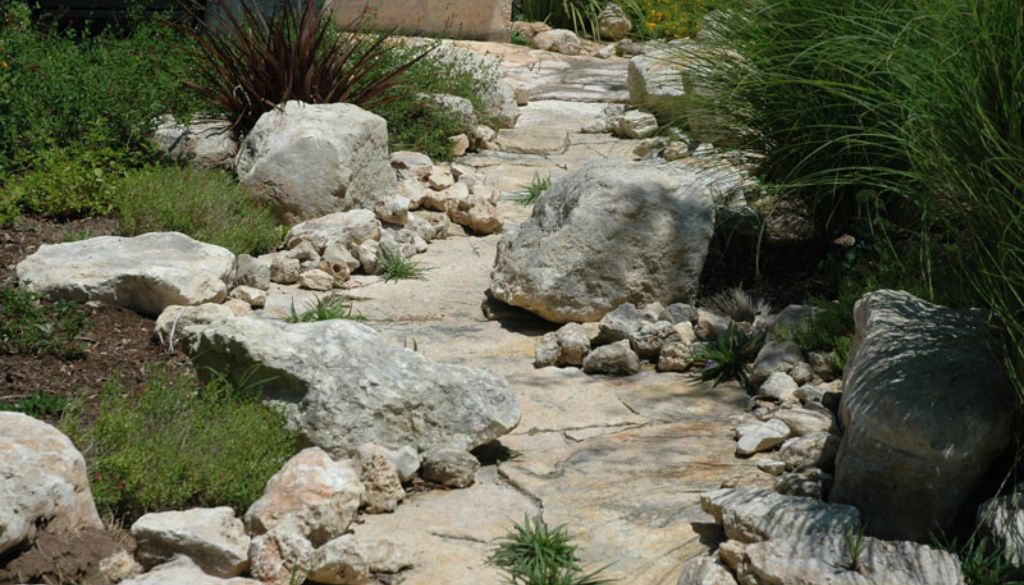
- Leave small rocks, stones, and some woody debris in place — these provide habitat and slow water velocity
- Schedule work during dry conditions when water levels are low to minimise habitat disturbance
- Check with Melbourne Water or your local council for permit requirements before undertaking significant earthworks
Preventing Future Blockages: Ongoing Creek Maintenance
A thorough clean-out is only the beginning. Keeping your creek flowing freely over the long term requires regular light maintenance that prevents debris from accumulating in the first place.
Simple preventive measures include:
- Inspecting the creek after every significant storm or wind event
- Removing small debris before it accumulates and creates blockages
- Trimming overhanging trees to reduce branch and leaf fall into the channel
- Maintaining dense native vegetation on the banks to filter runoff and anchor soil
- Keeping adjacent garden areas free from loose mulch or soil that can wash in
Integrating creek maintenance into your broader garden care calendar is the most effective approach. If you’re managing a property with multiple drainage and landscaping demands, our creek and waterway maintenance tips in our project portfolio show how this looks in practice across real Melbourne residential sites.
When to Call a Professional
Some creek cleaning projects are straightforward DIY work. Others require professional expertise, equipment, and regulatory knowledge. Consider engaging a landscape professional if:
- The creek is experiencing severe or recurring bank erosion
- Large-scale sediment removal would require earthmoving equipment
- The waterway is listed as a regulated drain or creek under Melbourne Water jurisdiction
- You suspect the blockage is connected to underground drainage infrastructure
- Invasive species infestations are extensive and require coordinated management
With over 40 years of residential landscape design and construction experience in Melbourne’s north-eastern suburbs, John French Landscape Design provides expert assessment and managed creek and drainage solutions. If your waterway needs more than a routine clean-out, we’d be glad to discuss your project and arrange a consultation.
Ready to get started? Phone: 0419 725 344 Email: info@johnfrenchlandscapes.com.au Office: 3/29 Susan St, Eltham VIC 3095 Or visit our What’s Next? page to learn how our consultation-to-completion process works.
Frequently Asked Questions About Creek Bed Cleaning
How often should I clean out my creek bed?
For most Melbourne properties, a light inspection after every major storm and a thorough clean-out once a year — ideally in late summer before autumn leaf fall — is sufficient. Creeks surrounded by large trees or in areas prone to heavy runoff may need attention more frequently.
Do I need a permit to clean out a creek bed in Victoria?
It depends on the scale of the work and whether the waterway is regulated. Minor debris removal on private land is generally straightforward, but significant earthworks, sediment removal, or works on a listed waterway may require approval from Melbourne Water or your local council. When in doubt, check before you start.
Can I use a pressure washer or hose to flush out a creek bed?
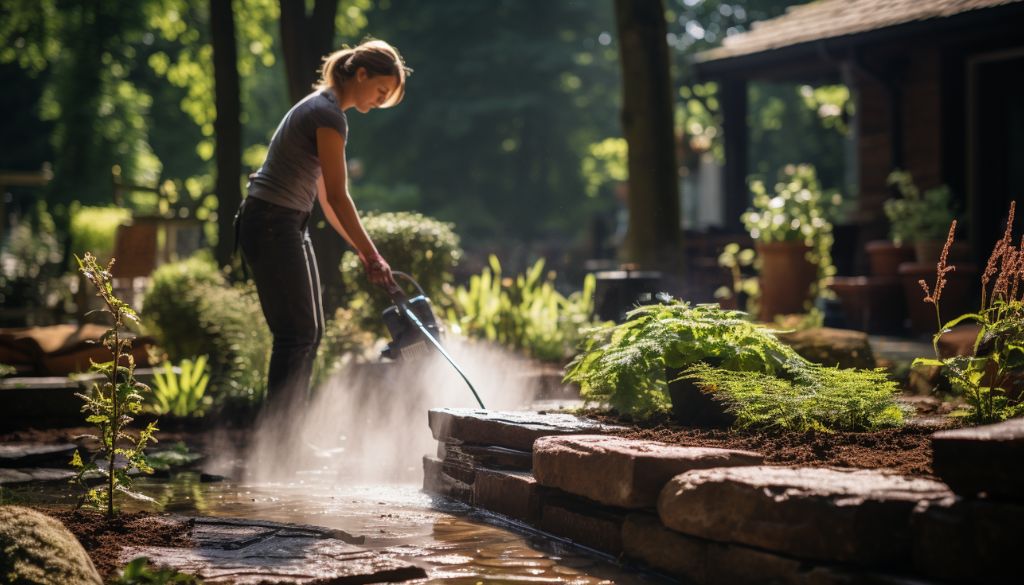
This is not recommended. High-pressure water can dislodge the fine particles and beneficial organisms that healthy creek beds depend on, and it often pushes sediment downstream rather than removing it. Hand tools and careful manual removal are far less disruptive to the waterway’s ecology.
What is the best time of year to clean a creek bed in Melbourne?
Late summer to early autumn is ideal — water levels are typically at their lowest, which makes access easier and minimises disturbance to aquatic life. Avoid working during or immediately after heavy rain when banks are saturated and erosion risk is highest.
Should I remove all the rocks and stones from the creek bed during cleaning?
No. Natural rocks and stones are an important part of the creek’s ecosystem — they slow water velocity, provide habitat for invertebrates and small fish, and help anchor the creek floor. Only remove rocks that are clearly blocking flow or that have been washed in from outside the waterway.
Conclusion
The best way to clean out a creek bed is through careful, methodical, and ecologically responsible work. By removing debris in the right order, limiting sediment disturbance, controlling invasive plants, and stabilising banks with native vegetation, you restore your waterway’s natural function without causing unintended damage downstream.
Regular light maintenance — rather than infrequent major interventions — keeps the work manageable and protects the long-term health of both the creek and your broader landscape. A well-maintained creek is not only a drainage asset; it’s a habitat, a landscape feature, and a marker of a thoughtfully managed property.
For Melbourne homeowners dealing with more complex waterway challenges, the team at John French Landscape Design is here to help. Contact us today to arrange an initial consultation.
