

Container gardening opens up a world of possibilities for anyone who wants to grow plants, regardless of space limitations. Whether you have a sunny balcony, a small courtyard, or simply want to add greenery to your outdoor entertaining area, growing in pots gives you complete control over soil quality, placement, and plant selection. Beyond the basics, there are plenty of creative gardening hacks that can make caring for your container plants easier and more effective. Container planting pairs beautifully with in-ground beds—if you’re inspired to go further, discover how to design a cottage garden in a small space for a layered, abundant look that transforms even the most compact courtyard.
This guide covers everything you need to know to create thriving container gardens, from choosing the right pots and soil to watering correctly and designing arrangements that look as good as they grow.
Why Choose Container Gardening?
Container gardening suits almost any situation. Renters love it because pots can move with them. Homeowners appreciate the flexibility to rearrange their outdoor spaces seasonally. And gardeners dealing with poor native soil or challenging drainage can bypass those problems entirely by growing in quality potting mix.
Beyond practicality, containers offer genuine design advantages. You can create focal points, define outdoor rooms, soften hard edges around paving and pools, and introduce colour exactly where you want it. A well-placed group of pots can transform a bare corner into an inviting space for relaxation or entertaining.
For Melbourne gardeners navigating water restrictions and increasingly variable weather, containers also allow precise control over irrigation. You water only what needs watering, and drought-tolerant plants in well-chosen pots can thrive with minimal input once established.
Choosing the Right Containers
The container you choose affects everything from plant health to maintenance demands. Three factors matter most: drainage, size, and material. To reduce your watering frequency and keep your containers thriving during hot Australian summers, explore water-wise garden techniques that complement container gardening perfectly.
Drainage comes first. Every container needs holes in the bottom. Without adequate drainage, water accumulates around roots, causing rot and plant death. If you fall in love with a decorative pot that lacks holes, either drill them yourself or use it as an outer sleeve around a functional inner pot.
Size matters for root development. As a general rule, choose containers slightly larger than the plant’s current root ball, with room for at least a year’s growth. Vegetables and fast-growing annuals need generous space, while succulents and slow-growing natives can tolerate tighter quarters. Undersized pots dry out quickly and restrict growth; oversized pots hold excess moisture that smaller plants cannot use.
Material influences weight, porosity, and appearance. Terracotta breathes well and suits Mediterranean and native plantings, but dries out faster and can crack in frost. Glazed ceramic retains moisture longer and offers endless colour options. Concrete and stone provide stability for larger specimens but require permanent placement due to weight. Lightweight fibreglass and quality plastics work well for balconies and rooftops where weight limits apply.
Sustainable and Creative Container Options
Container gardening lends itself beautifully to sustainable practices. Old timber crates, galvanised buckets, ceramic kitchen bowls, and even retired cookware can become charming planters with drainage holes added. Buying secondhand pots reduces waste and often yields more interesting pieces than mass-produced alternatives.
When sourcing new containers, look for Australian-made options or recycled materials. The environmental impact of your garden extends beyond plant choices to every element you bring into it.
Soil, Potting Mix, and Drainage Basics
Never fill containers with soil dug from your garden. Garden soil compacts in pots, drains poorly, and often harbours weeds, pests, and diseases. Purpose-made potting mix provides the loose, well-draining structure container plants need.
Quality potting mix contains organic matter for nutrients, coarse particles for drainage, and materials that retain appropriate moisture without becoming waterlogged. In Australia, look for mixes carrying Australian Standard certification, which guarantees minimum quality benchmarks.
Potting mix breaks down over time, compacting and losing structure. Refresh the top few centimetres annually and repot plants completely every two to three years, or when roots circle the bottom of the container.
Improving Drainage in Containers
Beyond choosing pots with adequate holes, you can improve drainage by adding a layer of coarse material at the bottom before filling with potting mix. Broken terracotta pieces, large pebbles, or purpose-made drainage cells prevent fine mix from blocking holes while allowing water to escape freely.
For plants particularly sensitive to wet feet, such as succulents and many Australian natives, mix extra perlite or coarse sand into your potting mix to increase drainage further.
Watering Container Plants Correctly
Watering causes more container plant deaths than any other factor. Both overwatering and underwatering stress plants, but the signs differ. Overwatering is one of the most common mistakes in container gardening, so understanding the science of watering plants properly is essential for keeping your potted plants healthy.
Overwatered plants develop yellow leaves, soft stems, and may show fungal growth on the soil surface. Roots rot in waterlogged conditions, eventually killing the plant even as you keep adding water.
Underwatered plants wilt, develop crispy leaf edges, and drop leaves prematurely. Potting mix that has dried completely can become hydrophobic, causing water to run down the inside of the pot without penetrating the root zone.
The most reliable method for checking moisture is the finger test. Push your finger into the potting mix to your second knuckle. If it feels dry at that depth, water thoroughly until liquid runs from drainage holes. If it still feels moist, wait another day or two.
Watering needs change seasonally. Summer containers may need daily attention during heatwaves, while winter pots might go weeks between drinks. Group plants with similar water requirements together to simplify care.
Feeding and Mulching Container Gardens
Container plants depend entirely on you for nutrients. Unlike garden plants, they cannot send roots searching for food beyond their pot boundaries. Regular feeding keeps them healthy and productive.
Slow-release fertiliser granules mixed into potting mix at planting time provide baseline nutrition for several months. Supplement with liquid feeds during active growth, particularly for heavy feeders like vegetables and flowering annuals. Native plants generally need less fertiliser; choose low-phosphorus formulations designed for Australian species.
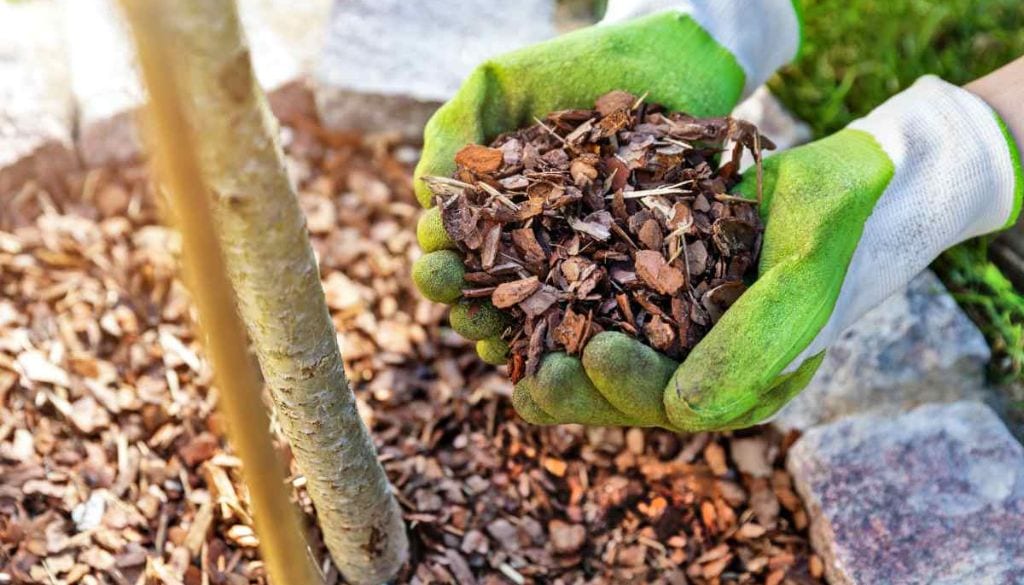
Mulching container surfaces conserves moisture, moderates soil temperature, and suppresses weeds. Use fine-textured organic mulches like sugar cane or fine bark, keeping mulch clear of plant stems to prevent rot.
Choosing the Right Plants for Containers
Almost anything can grow in a container given the right conditions, but some plants adapt more readily than others. Consider mature size, root depth, sun requirements, and water needs when selecting. When choosing what to grow in your pots, consider plants suitable for micro gardening that naturally thrive in confined spaces.
Vegetables and herbs thrive in containers with adequate depth and regular feeding. Tomatoes, capsicums, lettuce, and Asian greens produce well in pots. Herbs like basil, parsley, rosemary, and thyme are container naturals, and placing them near your kitchen door makes harvesting effortless.
Flowers and foliage plants offer seasonal colour and textural interest. Petunias, geraniums, and impatiens provide reliable blooms, while foliage plants like coleus and ornamental grasses add structure.
Succulents and natives suit Melbourne’s climate beautifully and forgive occasional neglect. Many Australian plants, including correas, westringias, and native grasses, adapt well to container life and attract local birds and beneficial insects.
Group plants with similar light and water requirements in the same container or arrangement. A shade-loving fern will struggle alongside a sun-demanding succulent, no matter how appealing the combination looks initially.
Designing and Arranging Container Gardens
Container gardens gain impact through thoughtful arrangement. Rather than scattering individual pots randomly, group them in clusters of varying heights and sizes. Odd numbers, particularly groups of three or five, create more dynamic compositions than even numbers.
The classic “thriller, filler, spiller” formula works brilliantly for mixed containers. Choose one tall, dramatic plant as the focal point, surround it with mounding plants that fill the middle space, and add trailing varieties that cascade over the edges.
For cohesive schemes, repeat colours, textures, or container styles across your arrangement. Consistency ties disparate elements together while allowing individual plants to shine.
Vertical and Space-Saving Ideas
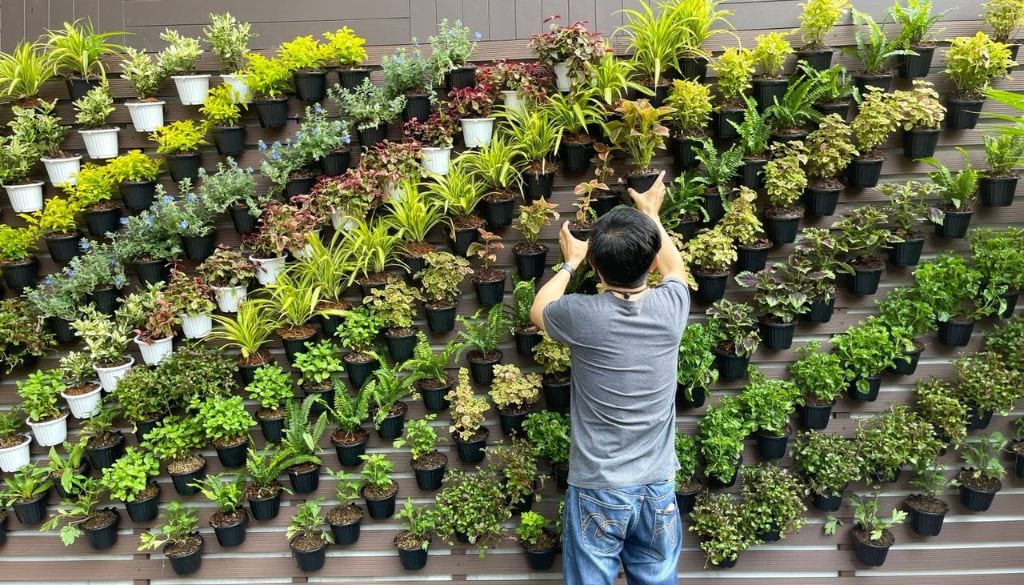
Limited floor space need not limit your garden. Hanging baskets bring greenery to eye level and above. Wall-mounted planters and vertical garden systems turn blank surfaces into living walls. Tiered plant stands maximise growing space within a small footprint. Container gardening pairs beautifully with small garden design ideas to transform compact balconies, patios, and courtyards into lush outdoor retreats
Balcony gardeners should check weight limits before loading up with heavy containers. Lightweight pots, plastic-based potting mixes, and compact plant choices help keep weight manageable without sacrificing garden impact.
Frequently Asked Questions
What can I grow in containers?
Almost any plant can grow in a container with the right conditions. Vegetables like tomatoes, capsicums, lettuce, and beans perform well, as do most herbs. Flowers, ornamental grasses, succulents, and many Australian natives thrive in pots. Even small fruit trees and dwarf citrus grow successfully in large containers. The key is matching pot size to the plant’s mature root system and ensuring appropriate light, water, and nutrients for that specific variety.
How often should I water container plants?
Watering frequency depends on plant type, pot size, material, weather, and season. Rather than following a fixed schedule, check soil moisture by inserting your finger to the second knuckle. Water thoroughly when the mix feels dry at that depth. During Melbourne summers, some containers need daily watering, while winter may require watering only once a week or less. Terracotta pots dry faster than glazed or plastic containers.
Do containers need drainage holes?
Yes, drainage holes are essential. Without them, water accumulates at the bottom of the pot, saturating roots and causing rot. Every functional planting container needs holes in the base. If you want to use a decorative pot without drainage, place a smaller pot with holes inside it, or drill drainage holes yourself. Never rely on a gravel layer alone to compensate for missing drainage holes.
Can I use garden soil in pots?
Garden soil is not suitable for containers. It compacts heavily in pots, restricts root growth, drains poorly, and often contains weed seeds, pests, and soil-borne diseases. Always use quality potting mix formulated for container growing. These mixes provide the loose, well-draining structure that container plants need, along with appropriate water retention and aeration. Look for Australian Standard certified mixes for guaranteed quality.
How do I stop my potted plants dying in summer?
Summer heat stresses container plants because pots heat up faster than ground soil and dry out quickly. Move heat-sensitive plants to afternoon shade during extreme weather. Water deeply in the early morning so plants are hydrated before peak heat. Mulch the soil surface to reduce evaporation and keep roots cooler. Group pots together to create a more humid microclimate, and consider using larger containers that hold more moisture and resist temperature fluctuations better than small pots.
Start Your Container Garden Today
Container gardening rewards experimentation. Start with one or two pots, learn what works in your specific conditions, and expand from there. Every balcony, courtyard, and outdoor living space can benefit from the life and beauty that thriving plants bring.
If you are planning a larger transformation of your outdoor space in Melbourne’s eastern suburbs, professional landscape design can help you integrate container plantings with permanent garden beds, paving, and structures for a cohesive result. John French Landscape Design has been creating sustainable residential gardens across Eltham and surrounding areas since 1981, with particular expertise in drought-tolerant and native plantings that complement container gardening beautifully.
Contact the team on 0419 725 344 or visit johnfrenchlandscapes.com.au to discuss how container gardens might fit within a broader landscape vision for your home.
