
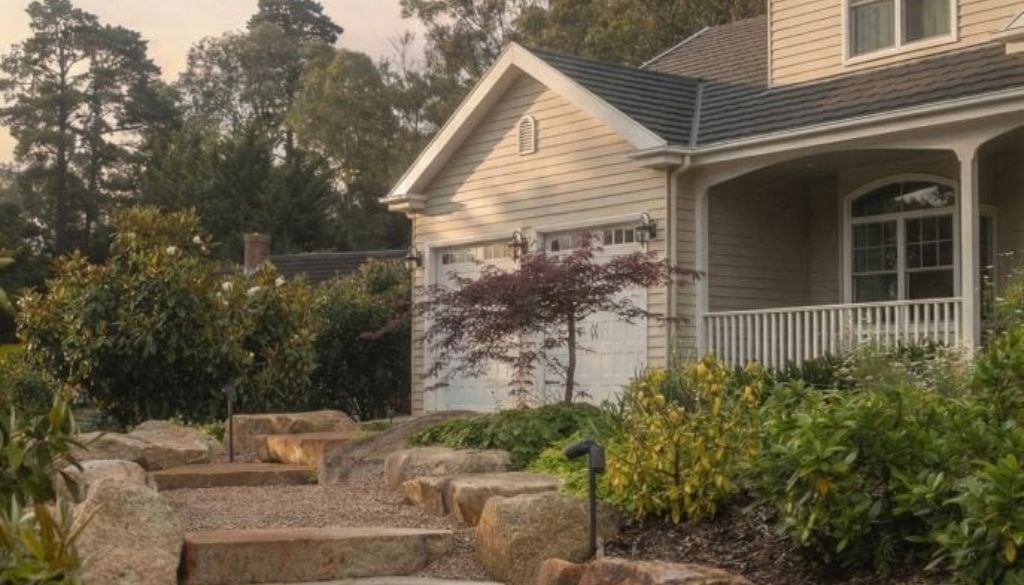
There is a common misconception that cottage gardens need rolling acres of countryside to work their magic. In reality, the informal, abundant spirit of a cottage garden is perfectly suited to small spaces. Compact courtyards, narrow side yards, and modest front gardens across Melbourne’s suburbs can all become lush, layered retreats filled with colour, fragrance, and life. Even compact cottage gardens benefit from a sense of enclosure—explore our guide to privacy screening plants for Australian gardens to find species that add both privacy and charm without overwhelming a small space.
The key lies in understanding the principles behind cottage garden design and adapting them to suit the space you have. Rather than scaling down a large garden, you are distilling the essence of the style—layered planting, a relaxed sense of abundance, and a mix of flowers, herbs, and foliage—into a space that feels generous despite its footprint.
What Defines a Cottage Garden?
At its heart, a cottage garden is defined by informality. Unlike structured formal gardens built on symmetry and clipped edges, cottage gardens celebrate a relaxed abundance where flowers, herbs, shrubs, and climbers grow together in seemingly effortless harmony. Layered planting is central to the style. Tall perennials rise above mid-height shrubs, while groundcovers spill across paths and edges. This creates depth, texture, and a sense that the garden has evolved naturally over time. Climbing roses and Clematis are cottage garden staples — see our full list of perennial climbing plants for fences for more varieties that suit compact garden spaces.
Biodiversity is another hallmark. Traditional cottage gardens mix ornamental flowers with edible herbs and pollinator-friendly species, creating small ecosystems that attract bees, butterflies, and birds. The result is a garden that feels alive in every season, constantly shifting in colour, scent, and movement.
Can You Create a Cottage Garden in a Small Space?
Absolutely. In many ways, a cottage garden suits a small yard better than a large one. The density of planting that defines the style means even a few square metres can feel lush and immersive. A compact courtyard or narrow garden bed becomes a self-contained world of scent and texture when planted with the right mix of species.
Small cottage gardens also benefit from the intimacy of the style. You notice details at close range—the fragrance of a lavender bush beside a path, the delicate veining on a geranium petal, the hum of a bee working through salvias. These are qualities that get lost across a large property but come to life beautifully in tight quarters. If you are working with a particularly narrow or awkward space, consider how creative side yard landscaping ideas can complement a cottage planting approach.
Smart Design Strategies for Small Cottage Gardens
Making Small Gardens Feel Bigger
The trick to a successful small cottage garden is creating the illusion of depth. Visually permeable boundaries—think open-weave fences, trellises draped with climbers, or hedges with gaps—allow the eye to travel beyond the garden’s physical limits. Borrowed views from neighbouring trees or distant canopy create the impression that your garden extends further than it does.
Dark-coloured fences (charcoal or black) recede visually and make planting beds appear deeper. Gravel paths that meander rather than run straight add a sense of journey, even across a short distance. Blurring the edges where planting meets hard surfaces—letting thyme or chamomile creep between pavers, for instance—softens boundaries and makes the space feel organic rather than confined.
Using Vertical Space Effectively
When ground area is limited, vertical space becomes your greatest asset. Climbing roses, jasmine, clematis, and wisteria can cover walls, fences, and arches without consuming valuable floor space. A simple timber arch or metal obelisk placed at the entrance to a garden path adds height and frames views, drawing the eye upward and creating a sense of enclosure.
Fastigiate (columnar) trees are another practical option for small cottage gardens. Ornamental pears, upright maples, or slender conifers provide vertical structure and seasonal interest without spreading wide canopies that shade out the planting below. Lifting the canopy of existing trees by removing lower branches also opens up ground-level planting space while maintaining overhead greenery.
Planting Principles for a Small Space Cottage Garden
Layered Planting for Depth and Flow
Layered planting is the single most important technique in a cottage garden of any size. In a small space, it becomes essential. Work in three tiers: tall structural plants at the back or centre (depending on whether the garden is viewed from one side or all around), mid-height fillers for body and seasonal colour, and low groundcovers or edging plants to soften paths and borders.
Mixing foliage textures is just as important as mixing flower colours. Pair the broad, soft leaves of a hydrangea with the fine, feathery fronds of a fern or ornamental grass. Contrast the silvery foliage of lamb’s ear with the deep green of a rosemary hedge. These textural contrasts create visual interest even when the garden is between flowering peaks. For guidance on choosing plants that thrive in containers and raised beds within compact gardens, explore these container gardening tips for growing healthy plants in limited space.
Mixing Edibles, Flowers, and Natives
One of the joys of cottage gardening is the tradition of mixing ornamental and edible plants in the same bed. Rosemary, thyme, sage, and chives all produce attractive flowers while providing fresh herbs for the kitchen. Strawberries make excellent edging plants, and a dwarf citrus tree can serve as a structural focal point.
For Australian gardens, integrating native species adds resilience and biodiversity. Grevillea, westringia, and correa provide structure and attract native pollinators, while native violets and kidney weed make excellent groundcovers. Blending natives with traditional cottage favourites creates a garden that honours the cottage aesthetic while being adapted to local conditions. If water efficiency is a priority, consider combining these approaches with water-wise garden design strategies that reduce consumption without sacrificing beauty.

Best Plants for Small Space Cottage Gardens
Choosing plants that earn their place is critical in a compact cottage garden. Every species should contribute more than one quality—flower colour, foliage texture, fragrance, or pollinator value.
For the tall layer, consider foxgloves, delphiniums, hollyhocks, and salvia ‘Hot Lips’. These provide vertical interest and dramatic flower spikes without spreading aggressively. Mid-layer plants such as lavender, catmint, echinacea, and geraniums deliver long flowering seasons and work beautifully alongside herbs. For groundcover, creeping thyme, ajuga, native violets, and sweet woodruff knit together to suppress weeds and soften edges.
Climbers deserve special mention. Star jasmine, climbing roses (especially repeat-flowering varieties like ‘Pierre de Ronsard’), and hardenbergia offer fragrance, colour, and coverage on vertical surfaces. A single well-placed climber can transform a bare fence into a living wall. As seasons change, having the right planting in place makes all the difference—review these spring gardening tips to give your cottage garden the strongest possible start each year.
Features That Add Charm Without Taking Space
Cottage gardens are as much about atmosphere as they are about plants. A curved gravel path, even a short one, adds a sense of discovery. A weathered timber bench tucked beneath an arch creates a destination within the garden. Reclaimed materials—old terracotta pots, vintage watering cans, or repurposed brick edging—add character without requiring additional floor space.
Multi-functional features work especially well. A low stone wall can double as informal seating. A raised garden bed creates planting depth while providing a visual border between zones. Even a birdbath or small water dish tucked among the planting adds movement and attracts wildlife, reinforcing the cottage garden’s connection to nature.
Common Mistakes to Avoid in Small Cottage Gardens
The most frequent mistake in small cottage gardens is imposing too much formality. Rigid symmetry and perfectly clipped edges work against the relaxed spirit of the style. Equally problematic is overcrowding without underlying structure. A cottage garden should look abundant, not chaotic. Even in an informal planting scheme, repeating key species and maintaining a consistent colour palette creates visual coherence.
Ignoring light conditions is another common pitfall. In a small space, a single large tree or a tall neighbouring fence can dramatically change the light available to your plants. Assess sun exposure carefully and select species accordingly. Finally, avoid planting overly vigorous species that will dominate a small bed within a single season. Choose plants that fill their allocated space without overwhelming their neighbours. Homeowners looking for drought-tolerant alternatives to traditional lawn areas should also explore sustainable lawn alternatives that free up planting space for cottage garden beds.
Blending Cottage Charm with Practical Design
A cottage garden in a small space is not a compromise—it is an opportunity to create something intimate, immersive, and deeply personal. By applying smart design strategies, choosing plants that earn their place, and embracing the informal, layered character of the style, even the most modest Melbourne courtyard can become a space that feels generous with colour, scent, and life.
The beauty of a cottage garden is that it evolves. It rewards patience, responds to the seasons, and becomes richer and more characterful with each passing year. Start with a clear structure, plant with intention, and then allow the garden to find its own rhythm.
Ready to bring cottage garden charm to your small space? John French Landscape Design has been creating landscapes across Melbourne’s suburbs since 1981. From initial consultation through to design and construction administration, we help homeowners transform compact gardens into beautiful, functional outdoor spaces. Book a consultation to discuss your garden project today.

Frequently Asked Questions
Can a cottage garden work in a very small yard?
Yes. The dense, layered planting style of a cottage garden actually suits small spaces exceptionally well. Even a courtyard of just a few square metres can feel lush and immersive with the right combination of climbers, perennials, and groundcovers.
What plants are best for a small cottage garden in Australia?
Lavender, salvias, geraniums, rosemary, and native species like grevillea and correa all work well. For vertical interest, consider star jasmine or climbing roses. Groundcovers such as creeping thyme and native violets soften edges without taking up bed space.
How do I stop a cottage garden from looking messy?
Repeat key plant species throughout the garden for visual cohesion. Maintain a consistent colour palette, use defined edging along paths, and provide underlying structure with shrubs or small trees. The garden should look abundant, not unplanned.
Are cottage gardens high maintenance?
They require moderate maintenance—seasonal pruning, deadheading, and occasional division of perennials. Choosing drought-tolerant and climate-appropriate species significantly reduces ongoing care, especially in Australian conditions.
