

Spring represents the most optimistic season in the gardening calendar. As temperatures rise and daylight extends, gardens awaken from winter dormancy, and the possibilities for the year ahead begin to take shape. What you do in these crucial weeks sets the foundation for everything that follows—healthy growth through summer, abundant harvests, and landscapes that look their best when you want to enjoy them most.
The key to successful spring gardening lies in timing and prioritisation. With so many tasks competing for attention, knowing what to tackle first—and what can wait—helps you make the most of this busy season without becoming overwhelmed. To support a resilient landscape this season, explore our tips on sustainable garden plant choices for spring that thrive with eco‑friendly practices.
Get Your Garden Ready for Spring
Before planting anything new, prepare the ground—literally and figuratively. Winter leaves behind debris, damage, and dormant problems that need addressing before the growing season begins in earnest.
Clean-Up and Declutter
Start by clearing accumulated leaf litter, fallen branches, and dead plant material from garden beds. This debris harbours pests, diseases, and fungal spores that will attack new growth if left in place. Healthy organic matter can go straight to the compost; anything showing signs of disease should be disposed of separately to avoid spreading problems.
Cut back perennials that have died down over winter, clear spent annuals, and remove any plants that didn’t survive the colder months. This creates space and light for new growth while giving you a clear picture of what you’re working with. Spring is the perfect season to establish new garden beds—if you’re working with a modest footprint, explore our practical guide to small cottage garden design for planting strategies that maximise colour and texture in limited space.
Prune, Trim and Tidy
Spring pruning encourages vigorous new growth, improves plant shape, and removes damaged or diseased wood before problems spread. However, timing matters—prune at the wrong moment and you’ll sacrifice flowers or stress plants unnecessarily.
Pruning Trees and Shrubs
Remove dead, damaged, or crossing branches from trees and shrubs while they’re still relatively dormant. This prevents disease entry points and improves air circulation through the canopy. For deciduous species, the bare structure makes it easier to see what needs attention before leaves obscure the framework.
Summer-flowering shrubs—those that bloom on new season’s growth—can be pruned hard in early spring to encourage vigorous flowering shoots. However, spring-flowering shrubs that bloom on last year’s wood should be left until after flowering, or you’ll cut off this season’s buds.
Prepare and Improve Your Soil
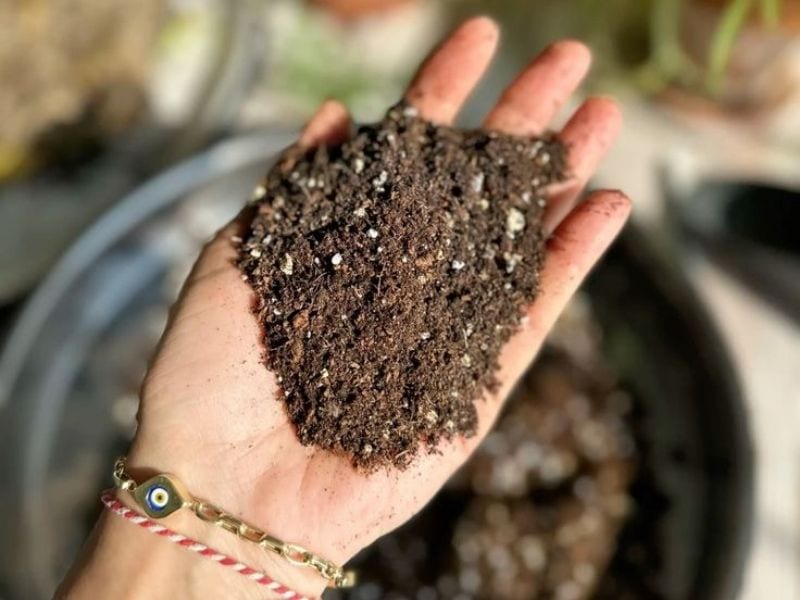
Healthy soil produces healthy plants. Spring is the ideal time to assess and improve soil condition before the demands of the growing season begin. Before planting, it’s important to prepare your soil—learn proven soil improvement techniques for spring growth that help roots flourish.
Soil Testing and Aeration
If you’ve never tested your soil, spring is a good time to start. Simple pH tests reveal whether your soil is acidic, neutral, or alkaline—information that guides both plant selection and any amendments needed. Most vegetables and ornamentals prefer slightly acidic to neutral soil, though natives often thrive in conditions that would challenge exotic species.
Compacted soil restricts root growth and water penetration. Gently fork over garden beds to improve structure without destroying soil biology. For lawns, aeration—either with a garden fork or dedicated aerator—helps oxygen, water, and nutrients reach grass roots.
Compost, Manure and Mulch
Incorporate well-rotted compost or aged manure into vegetable beds and annual plantings. This adds nutrients and organic matter that improves soil structure, water retention, and biological activity. For established perennials and shrubs, top-dress with compost rather than digging it in to avoid disturbing roots.
Apply fresh mulch after soil preparation but before summer heat arrives. A good layer—75mm or more—suppresses weeds, retains moisture, and moderates soil temperature. Keep mulch away from plant stems to prevent collar rot.
What to Plant in Spring
Spring opens planting windows for an enormous range of species. Understanding what suits this season—and your specific conditions—helps you make the most of the opportunity. Choosing the right plants makes all the difference — read about selecting the right plants for spring gardening and how they can complement your garden space.
Vegetables to Plant in Spring
Warm-season vegetables go in as soil temperatures rise and frost risk passes. Tomatoes, capsicums, eggplants, zucchini, cucumbers, and beans all thrive when planted in spring for summer harvest. Start with seedlings for faster results, or sow seeds directly for beans, corn, and cucurbits that resent transplanting.
Herbs like basil, coriander, and parsley establish well in spring warmth. Successive sowings every few weeks extend harvests through summer rather than producing gluts followed by gaps.
Trees, Shrubs and Climbers
Spring is excellent for planting trees and shrubs, giving them a full growing season to establish before facing summer stress or winter cold. Native species planted now will develop strong root systems that help them survive with minimal supplementary watering once established.
Climbers and vines planted in spring have time to anchor themselves before needing to support heavy summer growth. Train new shoots as they emerge to establish good habits from the start.
Flowers, Annuals and Perennials
Spring-planted annuals provide colour through summer and into autumn. Petunias, marigolds, zinnias, and cosmos all thrive in spring warmth. Perennials planted now establish root systems before flowering, often performing better in subsequent seasons than those planted in autumn.
Feed Your Garden for Strong Growth
Plants emerging from winter dormancy need nutrition to fuel the rapid growth ahead. Spring feeding supports this surge while building reserves for flowering and fruiting.
Apply a balanced fertiliser to garden beds as growth begins. Slow-release formulations provide steady nutrition over months, reducing the need for repeat applications. For lawns, a spring feed encourages thick growth that crowds out weeds and recovers winter damage. Potted plants benefit from liquid feeding as active growth resumes—their confined root systems can’t access nutrients from broader soil reserves.

Lawn Care in Spring
Lawns often emerge from winter looking tired, patchy, or weed-invaded. Spring offers the opportunity to repair damage and establish healthy growth before summer demands. Effective gardening follows nature’s rhythms — see our seasonal planning for optimal garden results for how spring tasks fit into the year’s cycle.
Aerate compacted areas to improve root development. Overseed bare patches when soil temperatures warm sufficiently for germination—keep newly seeded areas consistently moist until grass establishes. Begin regular mowing as growth accelerates, but avoid cutting too short; slightly longer grass develops deeper roots and tolerates summer stress better.
Pest, Disease and Weed Control
Spring warmth awakens pests alongside your plants. Early intervention prevents small problems becoming major infestations.
Monitor new growth for aphids, which cluster on soft shoot tips and flower buds. Psyllids, caterpillars, and scale insects also become active as temperatures rise. Catching populations early—before they explode—makes control far easier.
Weeds germinate prolifically in spring warmth and moisture. Remove them while small, before they set seed and multiply your problems. A thick mulch layer after weeding dramatically reduces ongoing weed pressure.
Watering and Ongoing Maintenance
Establish good watering habits in spring that will carry through summer. Water deeply but less frequently to encourage roots to grow downward seeking moisture, making plants more drought-tolerant when hot weather arrives. Morning watering allows foliage to dry before evening, reducing fungal disease risk.
Check irrigation systems before you need them urgently—clear blocked drippers, repair leaks, and adjust timers for increasing spring needs. A few minutes of maintenance now prevents frustration during busy summer months. If you’re starting out or want to refresh basics, our guide on beginner gardening fundamentals is a great companion to these spring tips.
Frequently Asked Questions
What should I do first in the garden in spring?
Start with cleanup—removing debris, dead plant material, and winter damage. This clears the way for everything else while reducing pest and disease pressure. Once beds are clear, you can assess soil condition, plan plantings, and tackle pruning with a clear view of what you’re working with.
What vegetables grow best in spring?
Warm-season vegetables thrive when planted in spring for summer harvest. Tomatoes, capsicums, eggplants, zucchini, cucumbers, beans, and corn all need warm soil and frost-free conditions to establish. Plant after your last expected frost date for best results.
Is spring the best time to fertilise?
Spring is ideal for general garden feeding as plants emerge from dormancy and begin active growth. They can actually use the nutrients you provide rather than having them wash away unused. A second light feed in late summer supports continued flowering and fruiting, but spring feeding provides the most significant boost.
When should I prune plants in spring?
Prune summer-flowering shrubs in early spring before new growth begins. Spring-flowering plants should wait until after flowering, or you’ll remove this season’s buds. Dead, damaged, or diseased wood can be removed from any plant at any time—the sooner the better to prevent problems spreading.
How often should I water my garden in spring?
Spring watering needs vary with rainfall and temperature. Generally, deep watering once or twice weekly beats daily light watering—it encourages deeper root growth that makes plants more resilient. Check soil moisture before watering; if the top few centimetres are dry but soil below remains moist, you can wait.
Making the Most of Spring
Spring rewards effort generously. The hours invested now in preparation, planting, and early maintenance pay dividends throughout the year—healthier plants, more abundant harvests, and gardens that look their best when you want to enjoy them most.
For Melbourne homeowners considering larger garden improvements alongside spring maintenance, working with an experienced landscape designer can help you prioritise and plan effectively. With over forty years creating gardens across Eltham and surrounding suburbs, John French Landscape Design brings practical expertise in everything from native plantings to complete garden transformations—helping you make the most of every growing season.
Ready to transform your garden this spring? Contact John French Landscape Design on 0419 725 344 or email info@johnfrenchlandscapes.com.au to discuss your project.
