

A modern terrace garden represents the perfect marriage of clean architectural lines, thoughtful planting, and functional outdoor living. Whether you’re working with a compact urban terrace or a generous rooftop space, modern design principles can transform even modest outdoor areas into calm, stylish retreats that feel like natural extensions of your home.
The appeal of modern terrace design lies in its restraint. Rather than competing with your home’s architecture, a well-designed terrace complements it—creating seamless indoor-outdoor flow that makes both spaces feel larger and more liveable. This guide covers the principles, materials, plants, and styling approaches that define successful modern terrace gardens. For compact outdoor spaces, explore our guide to inspiring small space and terrace garden concepts that show how courtyards and terraces can become stylish and functional living spots.
What Defines a Modern Terrace Garden?
Modern terrace garden design prioritises simplicity, balance, and intentional choices over ornamentation and excess. Where traditional gardens might celebrate abundance and variety, modern terraces achieve impact through restraint—carefully curated elements that work together harmoniously.
The defining characteristics include clean geometric lines, a restrained colour palette, layered planting rather than dense beds, high-quality low-maintenance materials, and seamless connection between indoor and outdoor spaces. The goal is creating environments that feel effortless, uncluttered, and genuinely liveable rather than merely decorative.
This aesthetic suits contemporary Australian homes particularly well. Our climate encourages outdoor living, and modern design’s emphasis on durability, low maintenance, and functional beauty aligns perfectly with how people actually want to use their outdoor spaces.Looking to blend style with practicality? Our suggestions on contemporary garden design techniques feature minimalist materials and clean lines that suit modern terrace spaces beautifully.
Smart Layout Ideas for Modern Terrace Gardens
Zone the Space Clearly
Even small terraces benefit from intentional zoning. Divide your space into purposeful areas—a dining or entertaining zone, a lounge or relaxation area, and dedicated planting zones. Use planters, changes in paving direction, or outdoor rugs to define these areas without physical barriers that would make the space feel smaller.
The key is creating distinct experiences within a unified design. Moving from dining table to lounge seating should feel like a transition, even if the zones are only metres apart.
Keep the Design Linear
Straight edges, rectangular planters, and aligned furniture reinforce contemporary aesthetics. Modern design favours geometry over organic curves—though a single curved element can provide effective contrast when used deliberately. Avoid mixing too many shapes; consistency reads as intentional design while variety can read as indecision.
Let the Architecture Lead
Successful modern terrace gardens complement their buildings rather than competing with them. Echo your home’s materials, colours, and proportions in the outdoor space. If your interior features concrete, timber, and white walls, carry these materials outside. This creates visual continuity that makes both spaces feel larger and more cohesive.
Best Materials for a Modern Terrace Garden
Material choice is critical to achieving a modern look. The right materials communicate quality and intentionality; the wrong ones undermine even well-planned layouts.
Popular modern terrace materials include concrete or large-format porcelain pavers, natural stone in neutral tones, timber decking (especially thermally modified or composite options that weather gracefully), and metal accents in aluminium or corten steel. These materials share common traits: clean lines, quality finishes, and the ability to age well.
Limit yourself to two or three materials maximum to maintain visual clarity. Too many different finishes create visual noise that contradicts modern design’s fundamental simplicity. Choose materials that perform well in your climate—heat retention, slip resistance when wet, and UV stability all matter for Australian conditions.
Plant Selection for Modern Terrace Gardens
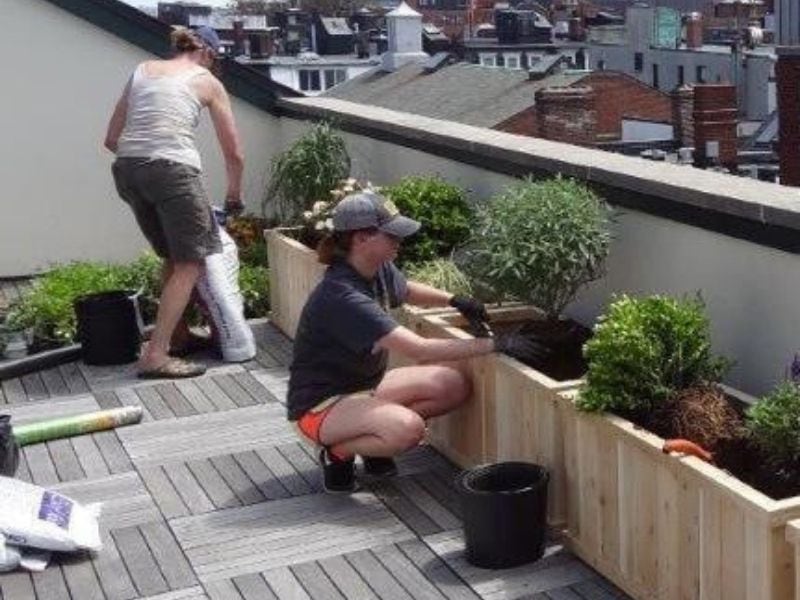
Modern terrace gardens rely on plant form and texture rather than excessive colour. Where traditional gardens might celebrate floral abundance, contemporary approaches favour architectural plants that provide year-round structure.
Ideal plant types include architectural specimens like agave, yucca, or bird of paradise for bold focal points; ornamental grasses for softness and movement; evergreen shrubs for reliable structure; and climbers for vertical greenery that adds privacy without consuming floor space.
Colour palettes tend toward greens, silvers, and soft greys, with white flowers providing contrast and one accent colour at most. Restraint is key—one large statement plant in a bold container creates more impact than numerous small pots scattered across the space.
Soft Modernism: Blending Structure With Warmth
A growing design approach—sometimes called soft modernism—blends strong architectural structure with more relaxed, naturalistic planting. This creates spaces that feel contemporary without becoming cold or stark.
Apply this approach by using geometric paving and planters as your structural framework, then softening edges with ornamental grasses that blur hard lines. Mix hard materials with warm timber tones. Allow plants to gently spill over container edges rather than maintaining rigid formality. The result is modern design with genuine warmth—spaces that invite lingering rather than just admiring. Embrace simplicity with minimalist landscape ideas for contemporary terraces that use clean lines and sustainable materials to enhance modern outdoor living.
Vertical Solutions for Small Terrace Gardens
When floor space is limited, vertical design becomes essential. Walls, screens, and overhead structures offer planting opportunities that don’t sacrifice precious ground area.
Effective vertical solutions include slimline planter boxes mounted along walls, wire trellises supporting climbing plants, built-in bench seating with integrated planters, and green walls using modular planting systems. These approaches add privacy, shade, and visual depth without cluttering the terrace floor.
Climbers like star jasmine, Boston ivy, or ornamental grape can transform blank walls into living features over a few seasons. The vertical greenery creates enclosure that makes terraces feel like genuine outdoor rooms rather than exposed platforms.
Furniture and Styling for a Modern Look
Furniture should feel architectural and intentional, reinforcing rather than fighting the overall design direction. Choose low-profile designs in neutral or monochrome colours. Matte or weathered finishes generally work better than glossy surfaces. Built-in seating, where feasible, creates clean lines while maximising floor space.
Keep accessories minimal. One sculptural planter, subtle outdoor lighting, and a few textured cushions typically provide sufficient personality without cluttering the space. Modern design gains impact from restraint—each element should earn its place. When working with limited dimensions, our clever small garden layout inspiration offers practical ideas to maximise every inch of your outdoor space.
Lighting for Modern Terrace Gardens
Thoughtful lighting transforms terraces after dark, extending usable hours and creating atmosphere that daylight can’t match. Modern lighting favours concealed fixtures that reveal their effect without drawing attention to themselves.
Effective approaches include recessed LED strip lighting along steps or planter edges, uplighting on feature plants or architectural elements, and warm white tones rather than harsh cool whites. The goal is creating pools of light and shadow that add depth and drama, not floodlit uniformity that flattens the space.
Low-Maintenance Design for Urban Living
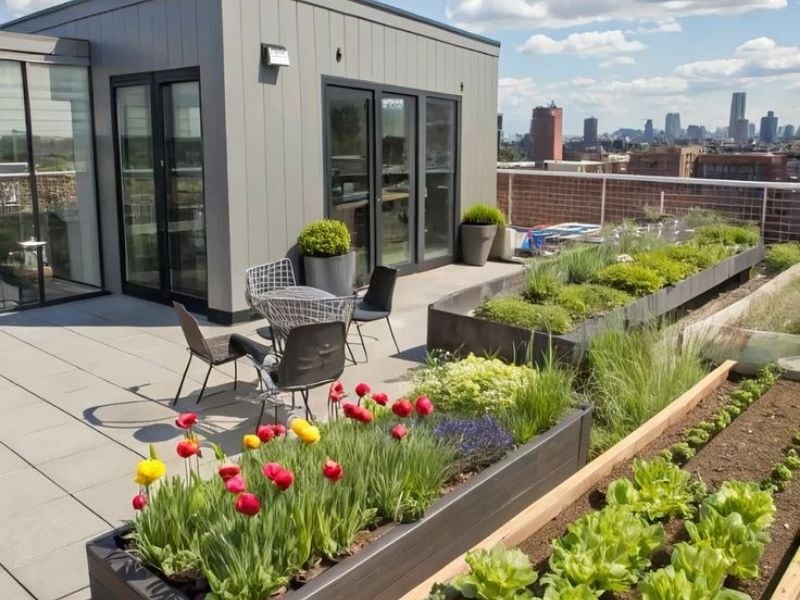
A well-designed modern terrace should be easy to maintain—busy urban lifestyles don’t accommodate high-maintenance gardens. Choose slow-growing plants that won’t rapidly outgrow their containers. Install self-watering planters or drip irrigation to reduce watering demands. Limit or eliminate lawn entirely. Select durable, weather-resistant materials that age gracefully without constant attention.
Less upkeep means more time actually enjoying the space—which is ultimately the point of creating it. Understanding basic landscape design essentials for modern outdoor spaces will help you balance hardscaping, planting, and flow for a sophisticated terrace garden.
Frequently Asked Questions
What plants work best for modern terrace gardens?
Architectural plants with strong forms—agave, yucca, bird of paradise, and ornamental grasses—suit modern terraces well. Choose plants for their structure and foliage rather than flowers. Evergreen species provide year-round interest, while climbers add vertical greenery without consuming floor space. Limit your palette to a few well-chosen species for cohesive impact.
How do I make a small terrace feel bigger?
Use consistent flooring that flows from inside to out. Keep furniture low-profile and appropriately scaled. Limit the number of different materials. Use vertical planting to add greenery without consuming floor space. Create one strong focal point rather than many competing elements. Mirrors and glass balustrades can enhance the sense of space when used thoughtfully.
What flooring is best for a modern terrace?
Large-format porcelain tiles, concrete pavers, or quality composite decking work well for modern terraces. Choose materials in neutral tones that complement your home’s interior. Consider heat retention in sunny positions, slip resistance when wet, and UV stability. Larger format materials with minimal grout lines create cleaner, more contemporary aesthetics than smaller tiles.
How much does a modern terrace garden cost?
Costs vary enormously depending on size, materials, and complexity. Quality materials and professional design increase upfront investment but typically deliver better long-term value through durability and timeless aesthetics. Budget for flooring, planters, plants, furniture, and lighting as core elements. Professional design helps allocate budget effectively and avoids costly mistakes.
Can I create a modern terrace garden myself?
Simple terrace updates are achievable as DIY projects—adding planters, updating furniture, or installing container plants. However, structural changes, built-in elements, or comprehensive redesigns benefit from professional input. Modern design’s apparent simplicity actually demands precision; mistakes are more visible when there’s less visual clutter to distract from them.
Creating Your Modern Terrace Garden
The best modern terrace gardens are timeless, practical, and deeply connected to their architecture. By focusing on structure first and softening with thoughtful planting, you create outdoor spaces that feel calm, stylish, and functional for everyday life—whether your terrace overlooks a city skyline or a quiet suburban street.
For Melbourne homeowners seeking professional guidance on terrace and outdoor living design, experienced landscape designers help translate modern principles into practical reality. With over forty years creating outdoor spaces across Eltham and surrounding suburbs, John French Landscape Design brings expertise in contemporary design, quality materials, and creating seamless indoor-outdoor connections that transform how you live.
Ready to transform your terrace? Contact John French Landscape Design on 0419 725 344 or email info@johnfrenchlandscapes.com.au to discuss your project.
