

Gardening ranks among the most rewarding activities available to homeowners, but it carries genuine risks that many gardeners underestimate. From sun exposure and physical strain to hidden hazards in potting mix and soil, the garden presents challenges that deserve respect and preparation.
The good news is that most gardening injuries and illnesses are entirely preventable with simple precautions. Understanding the risks and building good safety habits protects you to continue enjoying your garden for years to come.
Why Gardening Safety Matters
Gardening-related injuries send thousands of Australians to emergency departments every year. Cuts from tools, falls from ladders, back injuries from lifting, and heat-related illness top the list—but serious infections from soil contact and respiratory problems from potting mix also occur more frequently than most people realise.
The physical nature of gardening—bending, lifting, kneeling, reaching—combined with environmental factors like UV exposure and biological hazards in soil creates a surprisingly complex risk profile. Awareness is the first step toward prevention. Designing your outdoor space to protect both people and wildlife around you is part of safe gardening; this is covered under creating wildlife‑friendly and safe garden environments.
Sun and Heat Safety in the Garden
Australian UV levels rank among the world’s highest, and gardeners face prolonged exposure that accumulates over years. Skin cancer risk increases with every unprotected hour outdoors, making sun safety non-negotiable for regular gardeners.
Being Sun Smart While Gardening
Wear protective clothing that covers arms and legs—loose, light-coloured fabrics keep you cooler than you might expect. A broad-brimmed hat protects face, ears, and neck far better than caps. Apply SPF 30+ sunscreen to exposed skin, reapplying every two hours or after sweating heavily.
Schedule gardening for early morning or late afternoon when UV intensity drops. During summer, avoid outdoor work between 10am and 3pm when sun damage occurs most rapidly. If you must garden during peak hours, work in shaded areas and take frequent breaks indoors.
Tool and Equipment Safety
Garden tools cause a significant proportion of gardening injuries—from minor cuts to serious lacerations and crush injuries. Power equipment adds additional risks that demand particular respect.
Lawnmower and Power Tool Safety
Lawnmowers cause more serious gardening injuries than any other tool. Always wear enclosed shoes—preferably sturdy boots—when mowing. Safety glasses protect against debris thrown by blades. Never mow wet grass, which increases slipping risk on slopes, and never put hands or feet near blades while the engine runs, even if it’s idling.
Brush cutters, hedge trimmers, and chainsaws demand full protective equipment: eye protection, hearing protection, sturdy gloves, and appropriate footwear. Read manufacturer instructions before first use, and never operate power tools when tired, rushed, or distracted. Weeds can harbor pests and diseases, so using effective weed management without harming your garden helps keep your beds safe and thriving.
Hand Tools and Ladder Safety
Keep hand tools sharp—dull blades require more force and slip more easily, causing injuries. Store tools safely with blades covered or pointing downward. Never leave rakes, hoes, or forks lying on the ground where they create trip hazards or can spring up when stepped on.
Ladder falls cause serious injuries every year. Use the right ladder for the job, ensure stable footing, maintain three points of contact, and never overreach. If a task feels unstable or requires stretching beyond comfortable reach, reposition the ladder rather than risking a fall.
Physical Safety and Injury Prevention
Safe Lifting and Body Positioning
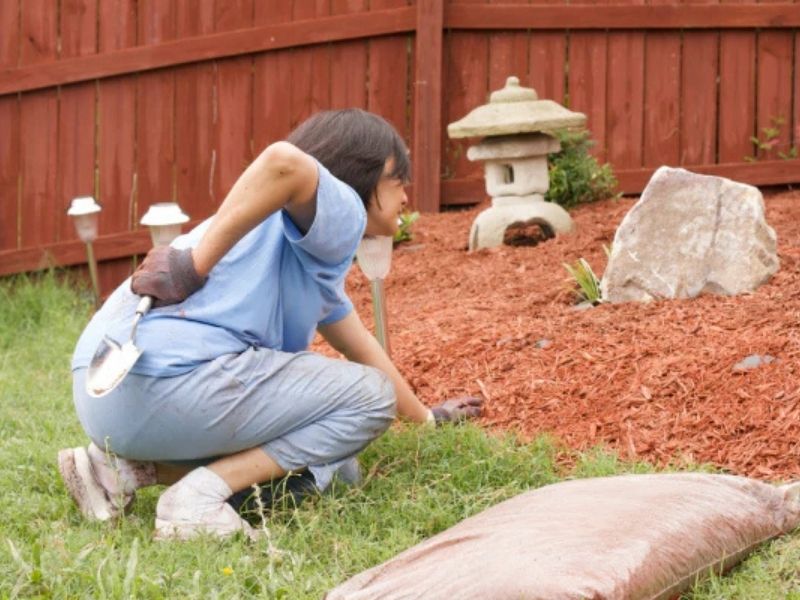
Back injuries from lifting heavy pots, bags of soil, or awkward loads plague gardeners of all ages. Lift with your legs, not your back—bend at the knees, keep the load close to your body, and avoid twisting while carrying weight. For heavy items, use a wheelbarrow or trolley, or ask for help rather than risking injury.
Prolonged kneeling, bending, and reaching strain joints and muscles. Use kneeling pads or a garden stool to reduce knee pressure. Alternate between tasks that use different body positions—dig for a while, then prune, then pot—rather than maintaining one posture for extended periods.
Avoiding Overexertion
Gardening enthusiasm often exceeds physical conditioning, particularly at the start of the season. Pace yourself, especially during heavy tasks like digging or mulching. Take regular breaks, stay hydrated, and recognise when fatigue increases injury risk. A garden built over several weekends serves you better than one that puts your back out.
Hand, Foot and Clothing Protection
Appropriate protective gear prevents most minor gardening injuries and significantly reduces infection risk when accidents do occur.
Wear gloves suited to the task—lightweight gloves for planting, heavier leather or reinforced gloves for pruning thorny plants or handling rough materials. Enclosed shoes protect feet from dropped tools, sharp objects, and biting insects. Long sleeves and trousers guard against scratches, insect bites, and plant irritants.
Soil, Compost and Potting Mix Safety
Garden soil and growing media harbour microorganisms that can cause serious illness. Understanding these risks—and taking simple precautions—protects your health without requiring excessive worry.
Legionnaires’ Disease and Potting Mix Safety
Potting mix and compost can contain Legionella bacteria, which causes Legionnaires’ disease—a serious form of pneumonia. Cases occur regularly among Australian gardeners, particularly those over 50 or with compromised immune systems.
Open potting mix bags carefully, pointing away from your face. Dampen dry mix before handling to reduce dust. Wear gloves and consider a mask when working with potting mix or turning compost. Wash hands thoroughly after handling any growing media, and never eat, drink, or smoke while gardening.
Bacteria and Fungi in the Garden
Soil contains bacteria that can enter through cuts and scratches, potentially causing serious infections. Tetanus remains a real risk for gardeners—ensure your vaccination is current. Clean any wounds promptly with soap and water, apply antiseptic, and watch for signs of infection. Seek medical advice if redness, swelling, or pain increases.
Pest, Chemical and Environmental Safety
Safe Use of Garden Chemicals
If you use pesticides, herbicides, or fertilisers, read labels completely and follow instructions precisely. Wear recommended protective equipment—often gloves, eye protection, and long clothing. Store chemicals securely away from children and pets, and never transfer products to unmarked containers.
Insects, Snakes and Hidden Hazards
Shake out gloves and boots before putting them on—spiders and insects shelter in garden equipment. Be aware of wasp nests in garden structures and bee activity around flowering plants. In snake-prone areas, wear boots and make noise when moving through long grass or dense plantings. Watch where you put hands when reaching into dense shrubs or rockeries. Protecting your garden from pests without harming beneficial insects or using harsh chemicals is essential — explore safe pest control methods for your garden to enhance plant health.
Gardening Safety for Children and Older People
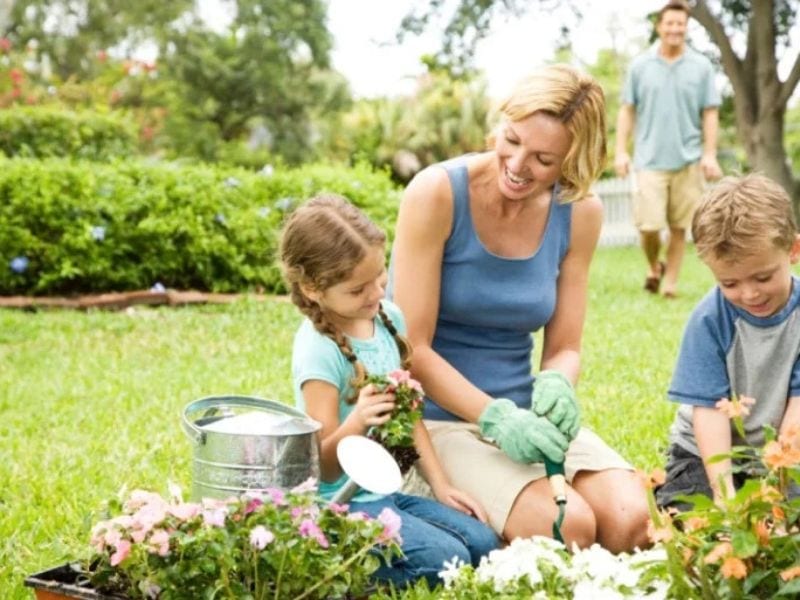
Children face particular risks from tools, chemicals, and water features. Store all garden chemicals and sharp tools out of reach, supervise children around water and equipment, and teach safe garden behaviour from an early age.
Older gardeners benefit from raised beds that reduce bending, non-slip pathways that prevent falls, and lightweight tools that minimise strain. Taking regular breaks, staying hydrated, and recognising physical limits helps older gardeners continue enjoying their gardens safely. To ensure your watering routines aren’t just effective but also safe for plants and soil, check out our guide on water‑wise watering and safety practices which emphasises efficient irrigation and timing.
Frequently Asked Questions
What are the most common gardening injuries?
Cuts and lacerations from tools, back strains from lifting and bending, falls from ladders and uneven ground, and sun-related damage top the list. Insect stings and allergic reactions also occur frequently. Most injuries result from rushing, fatigue, or not using appropriate protective equipment.
Is potting mix dangerous?
Potting mix can contain Legionella bacteria, which causes Legionnaires’ disease. The risk is real but manageable with simple precautions: open bags carefully, dampen dry mix, wear gloves and mask, and wash hands thoroughly afterward. People over 50 or with weakened immune systems should be particularly careful.
Should I wear a mask when gardening?
A mask is advisable when handling potting mix, turning compost, or working in dusty conditions. It reduces inhalation of fungal spores, bacteria, and fine particles. Standard disposable masks provide adequate protection for most gardening tasks.
How can I avoid back injuries while gardening?
Lift with your legs rather than bending at the waist. Use wheelbarrows and trolleys for heavy loads. Vary your tasks to avoid prolonged periods in one position. Use raised beds and long-handled tools to reduce bending. Take breaks before fatigue sets in, and spread heavy work across multiple sessions.
Is gardening safe for older people?
Gardening offers excellent physical and mental health benefits for older people when approached sensibly. Adaptations like raised beds, ergonomic tools, stable pathways, and appropriate pacing make gardening accessible at any age. The key is recognising and respecting physical limits while maintaining the activity’s many benefits.
Creating a Safer Garden
Safe gardening habits become second nature with practice. Building protective routines—sun protection, appropriate equipment, careful lifting, proper hygiene—means you can focus on enjoying your garden rather than recovering from preventable injuries.
For Melbourne homeowners considering garden designs that reduce physical strain—raised beds, accessible pathways, low-maintenance plantings—professional landscape design can create spaces that remain enjoyable and safe as needs change. With over forty years creating gardens across Eltham and surrounding suburbs, John French Landscape Design brings practical expertise in creating outdoor spaces that work for gardeners at every stage of life. Choosing strong, low‑maintenance plants contributes to safer garden practices — read more about selecting sustainable plants for safer gardening to reduce risk and upkeep.
Ready to create a garden that works for you? Contact John French Landscape Design on 0419 725 344 or email info@johnfrenchlandscapes.com.au to discuss your project.
