

There’s something undeniably captivating about stepping into a lush, tropical garden. The vibrant foliage, the gentle rustle of palm fronds, and the sense of being transported to a secluded resort—it’s an experience that transforms your outdoor space into a personal sanctuary. Creating a tropical backyard landscape in Australia isn’t just achievable; it’s becoming increasingly popular among homeowners seeking to bring that holiday feeling home.
Why Choose a Tropical Style Garden?
A tropical garden offers more than just visual appeal. It creates an immersive, resort-inspired atmosphere that turns your backyard into a year-round escape. The dense layering of plants, bold textures, and rich greens provide a sense of privacy and seclusion, making even modest suburban blocks feel like hidden retreats.
Beyond aesthetics, tropical landscaping offers practical benefits for Australian climates. Many tropical plants are surprisingly resilient once established, requiring less water than traditional lawn-based gardens. The dense canopy coverage naturally cools outdoor spaces, creating comfortable microclimates perfect for entertaining or relaxation during warmer months.
Emotional benefits shouldn’t be overlooked either. Research consistently shows that being surrounded by lush greenery reduces stress and promotes wellbeing. The sensory experience—rustling leaves, the sound of water features, and the visual feast of varied textures—engages all the senses in a way few other garden styles can match.
Key Elements of Tropical Backyard Landscaping
Dense Planting and Layering
The foundation of any successful tropical garden lies in its layering. Think of a rainforest environment: there’s an upper canopy, a mid-layer of shrubs and smaller trees, and groundcovers filling every available space. This dense, layered approach creates depth and that characteristic jungle-like atmosphere.
Start by planning your vertical structure. Tall plants at the back or edges provide privacy and create a sense of enclosure. Mid-height plants fill the middle ground, while low groundcovers weave throughout, eliminating bare soil and creating visual continuity. This layering isn’t just about aesthetics—it also creates natural shade, retains soil moisture, and establishes a more sustainable ecosystem in your backyard.
Use of Colourful and Textured Foliage
Tropical gardens thrive on contrast. Mix broad, glossy leaves like Bird of Paradise with feathery ferns and strappy cordylines. Combine the architectural drama of bamboo with the soft texture of bromeliads tucked beneath.
Don’t rely solely on flowers for colour. Many tropical plants offer vibrant foliage in burgundies, purples, lime greens, and variegated patterns that provide year-round interest without the maintenance demands of constant flowering. When you do incorporate blooms, choose bold options like hibiscus, frangipani, and heliconia that make strong visual statements.
Water Features and Tranquility
Water is essential to the tropical aesthetic. Whether it’s a simple bubbling fountain, a naturalistic pond, or a cascading waterfall, moving water adds both visual interest and ambient sound that enhances the sensory experience.
Position water features strategically—near seating areas where you’ll hear the soothing sounds, or as a focal point viewed from inside the house. Even a small courtyard can accommodate a wall-mounted fountain or a container water garden that delivers that tropical resort ambiance.
Natural Materials and Furniture
Complement your planting with authentic materials that reinforce the tropical theme. Timber decking, stone pathways, and rattan furniture create cohesion with the natural surroundings. Choose teak or other hardwoods for longevity, and consider creating shaded areas with timber pergolas draped in climbing plants.
Outdoor furniture should invite relaxation—think deep-seated lounges, hanging chairs, or hammocks tucked into shaded corners. These elements transform your garden from something to admire into a space you’ll actually use.
Lighting and Sculptural Features
Thoughtful lighting extends your tropical oasis into the evening hours. Use uplighting to highlight the dramatic forms of palms and tree ferns, and install path lights along walkways for both safety and ambiance. Soft, warm-toned lighting creates a more natural feel than harsh white lights.
Sculptural features add personality—Balinese-inspired statues, carved timber pieces, or ceramic pots become focal points that tell a story and create visual interest even when plants are dormant or between flowering periods.
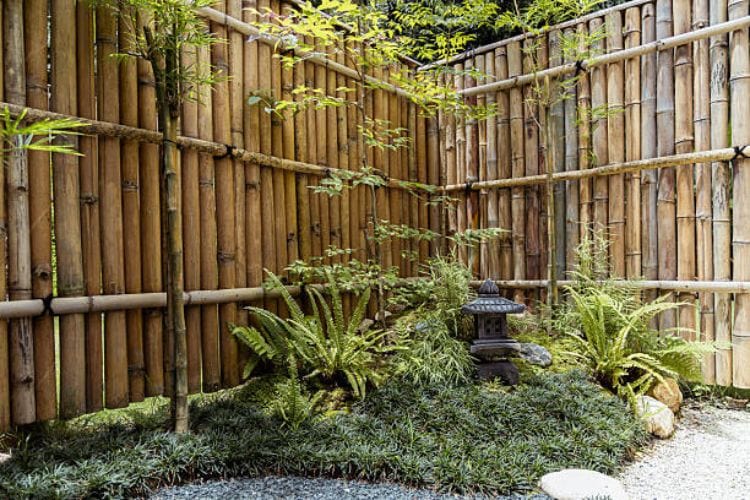
Planting Guide for Tropical Backyards
Our design team often refers back to innovative residential landscaping design ideas to balance tropical themes with functional outdoor living spaces.
Upper Canopy Plants
Bamboo: Fast-growing and providing instant privacy, bamboo varieties range from clumping types (safer for contained spaces) to running varieties that need barrier installation. They create that distinctive rustling sound and vertical drama.
Alexandra Palm: With their elegant trunks and feathery fronds, these palms deliver authentic tropical character without overwhelming smaller spaces.
Ficus Benjamina: Known as Weeping Fig, this established favourite provides dense, weeping foliage that creates natural privacy screens.
Mid-Layer & Shrubs
Cordyline: Available in burgundy, green, and variegated forms, cordylines add vertical interest and bold colour with minimal maintenance.
Frangipani: The quintessential tropical tree, frangipanis offer stunning fragrant blooms and distinctive sculptural forms when bare in winter.
Heliconia: These dramatic plants produce lobster-claw flowers in vibrant reds, oranges, and yellows—perfect for creating that jungle atmosphere.
Hibiscus: Both traditional and native varieties offer large, showy blooms in countless colours, flowering prolifically in warm weather.
Selecting the right species is key — learn about using native and exotic plants in tropical garden design to combine lush foliage with sustainability.
Groundcovers and Accents
Dichondra Silver Falls: This cascading groundcover with its silvery foliage works beautifully spilling over retaining walls or edging pathways.
Ferns: From delicate maidenhair to robust tree ferns, these shade-lovers fill gaps and add textural variety.
Bromeliads and Liriope: Low-maintenance options that thrive in dappled shade, providing pops of colour and interesting leaf forms.
Flowering Plants
Canna Lily: Bold, tropical-looking foliage topped with vibrant flowers in reds, oranges, and yellows.
Justicia Carnea: Also known as Brazilian Plume Flower, these produce distinctive pink flower spikes that attract birds and butterflies.
Brugmansia: Angel’s Trumpets offer large, pendulous blooms with intoxicating evening fragrance—perfect for entertaining areas.
Design Ideas by Backyard Use
Relaxation Zones
Create dedicated quiet spaces with hammocks strung between trees or hanging chairs suspended from sturdy pergola beams. Surround these areas with screening plants and perhaps a small water feature to mask neighbourhood noise and enhance the sense of retreat.
Entertaining Spaces
For those who love outdoor gatherings, integrate an outdoor kitchen or pizza oven surrounded by tropical plantings. A poolside deck with lush borders creates that resort feel while providing practical space for entertaining. Consider installing a Bali-style pool hut or day bed for the ultimate luxury touch. When planning lush resort-style scenes, don’t forget to explore creative pool landscaping ideas for tropical backyards to blend your water features with surrounding plantings.
Play and Family Areas
Tropical gardens can absolutely accommodate families. Designate zones for kids with open lawn areas for play, surrounded by dense borders that create natural boundaries. Small pools or splash pads nestle beautifully into tropical settings and keep children cool during summer months.
Planning and Maintenance Tips
Soil Preparation and Mulching
Tropical plants generally prefer rich, well-draining soil high in organic matter. Work compost through your garden beds before planting, and apply generous layers of organic mulch to retain moisture, suppress weeds, and gradually improve soil quality as it breaks down.
Irrigation and Watering
While established tropical gardens can be relatively drought-tolerant, getting plants established requires consistent watering. Consider installing drip irrigation or soaker hoses that deliver water directly to root zones. Water crystals mixed into planting holes help retain moisture during dry spells, and regular applications of seaweed solution alongside slow-release fertilizers keep plants thriving.
Pruning and Plant Care
Most tropical plants benefit from regular pruning to maintain shape and encourage dense growth. Remove dead fronds from palms, trim back overgrown bamboo, and deadhead flowering plants to extend blooming periods. Stay vigilant for common pests and address issues early before they compromise plant health.
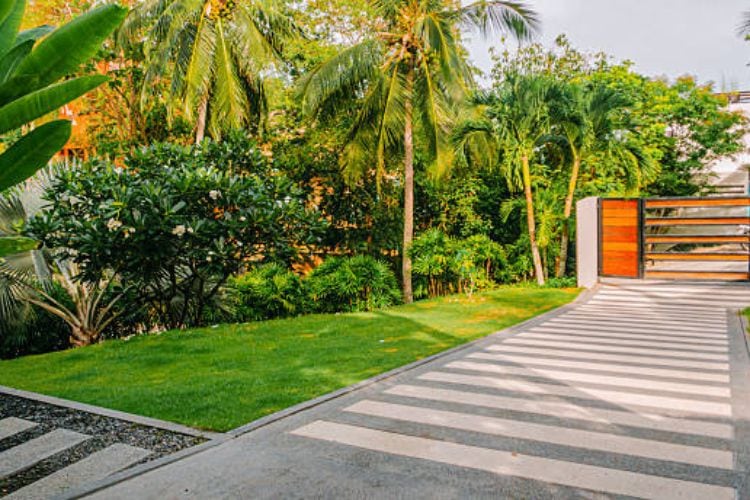
Transforming Underused Spaces
Side Yards and Walkways
Narrow side passages are perfect candidates for tropical treatment. Line pathways with stepping stones surrounded by low groundcovers, and plant tall, narrow species along fence lines to create green corridors. Vertical plantings maximize these slim spaces while maintaining access. Don’t underestimate the power of circulation — pathway ideas to lead through your tropical backyard can make your tropical oasis feel cohesive and inviting.
Finishing Touches
Sculptures, Wind Chimes & Accessories
The final layer of your tropical garden involves those personal touches that reflect your style. Carefully chosen sculptures add focal points, while wind chimes contribute gentle ambient sound. Outdoor candles or torches provide both lighting and ambiance for evening entertaining.
Frequently Asked Questions
What are the best tropical plants for small backyards?
For compact spaces, focus on plants that deliver maximum impact without overwhelming your garden. Alexandra palms provide vertical drama without spreading wide, while cordylines add height and colour in narrow beds. Compact frangipani varieties offer that tropical aesthetic without dominating the space. For mid-layers, try dwarf hibiscus, bromeliads, and heliconia varieties bred for smaller gardens. Groundcovers like dichondra and low-growing ferns fill gaps beautifully without requiring extensive square meterage. The key is choosing plants that grow up rather than out, and using layering to create the illusion of abundance. Before choosing plants and layouts, read up on landscaping fundamentals for tropical style gardens to ensure your tropical vision works with your local climate.
Can tropical plants survive in cooler Australian climates like Melbourne?
Absolutely. While Melbourne isn’t tropically warm year-round, many “tropical-looking” plants are surprisingly cold-hardy once established. Bamboo thrives in Melbourne’s climate, as do cordylines, many fern varieties, and cold-tolerant palm species. The trick is creating microclimates—position tender plants near north-facing walls that retain warmth, use dense planting to trap heat, and apply generous mulch layers for root protection during winter. Some tropical plants like frangipanis go dormant during colder months but bounce back reliably each spring. Focus on frost-hardy varieties and protect young plants during their first winter, and you’ll be rewarded with a lush garden year after year.
How can I maintain a tropical garden with minimal watering?
Once established, many tropical plants are surprisingly drought-tolerant. The dense canopy and groundcover layers act as living mulch, shading soil and reducing evaporation. Start by improving your soil with organic matter to boost water retention, then apply thick organic mulch layers. Install drip irrigation on timers to deliver water directly to root zones during early morning hours when evaporation is minimal. Group plants with similar water needs together, placing thirstier specimens near water features or downpipes. Water crystals mixed into planting holes act as moisture reservoirs during dry spells. Choose established, hardy species like bamboo, cordylines, and native hibiscus that require little supplemental water once their root systems are developed.
What are the essential features of a tropical backyard?
A successful tropical garden relies on three core elements: layered planting, water features, and natural materials. Dense, multi-level planting creates that jungle-like atmosphere—think tall canopy plants, mid-height shrubs, and lush groundcovers working together. Water adds sensory appeal through sound and movement, whether it’s a simple fountain or elaborate pond. Natural materials like timber decking, stone pathways, and rattan furniture ground the design and create cohesion. Beyond these essentials, consider adding ambient lighting to extend evening use, choosing bold foliage for year-round interest, and creating distinct zones for different activities. The magic happens when these elements work together to create an immersive, multi-sensory experience.
How much does it cost to create a tropical garden in Melbourne?
Tropical garden costs vary widely based on size, plant selection, and additional features. A modest DIY transformation of a small courtyard might start around $2,000-$5,000 for plants, mulch, and basic materials. Mid-range projects incorporating professional design, quality plant specimens, irrigation systems, and some hardscaping typically range from $10,000-$30,000. Comprehensive transformations with water features, extensive paving, pergolas, and mature specimen plants can extend from $30,000-$80,000 or more for larger blocks. The investment often pays dividends in increased property value and daily enjoyment. Starting with professional design consultation ensures your budget is allocated wisely, with staged implementation allowing you to spread costs over time while establishing a cohesive vision from the start.
Ready to Create Your Tropical Paradise?
Transforming your backyard into a lush tropical oasis requires careful planning, proper plant selection, and thoughtful design—but the results are worth every effort. While this guide provides the foundation for DIY enthusiasts, creating a truly cohesive tropical landscape often benefits from professional expertise.
At John French Landscape Design, we’ve been creating stunning Melbourne landscapes since 1981, working with homeowners across Eltham and surrounding suburbs to design outdoor spaces that reflect their vision. Our experience with diverse styles—from Australian natives to Balinese-inspired tropical gardens—ensures your backyard receives the expert attention it deserves.
Whether you’re starting from scratch or transforming an existing space, we can help you navigate plant selection for your specific microclimate, design efficient irrigation systems, and create layouts that maximize your block’s potential while staying within your budget.
Contact us at 0419 725 344 or visit johnfrenchlandscapes.com.au to schedule your consultation. Let’s discuss how to bring that tropical resort feeling to your Melbourne backyard—and create an outdoor space you’ll love for years to come.
