
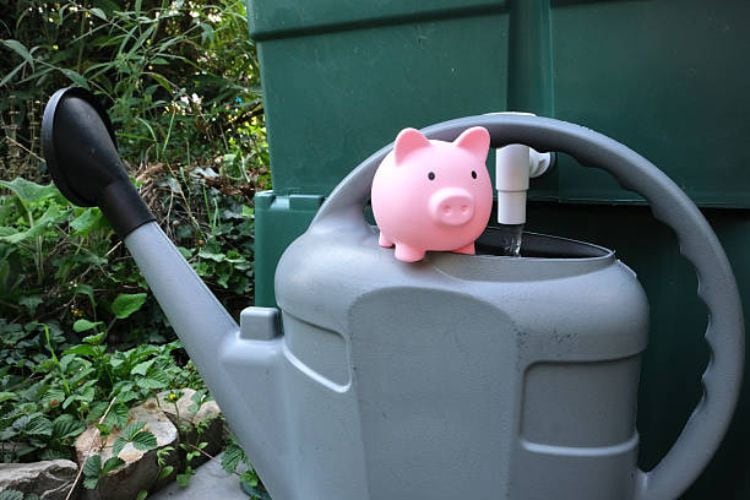
Gardens can account for up to half of a household’s water consumption during summer months. With Australian water prices rising, restrictions becoming more common, and climate patterns growing increasingly unpredictable, reducing garden water use makes practical and financial sense. The good news is that water-wise gardens needn’t sacrifice beauty for efficiency—thoughtful design can deliver landscapes that look better while using significantly less water. If you’re ready to dramatically reduce your garden’s water consumption, explore our complete guide to sustainable lawn alternatives that thrive in Australian conditions without constant irrigation.
The key lies in working with your conditions rather than against them. By rethinking layouts, choosing appropriate plants, improving soil health, and irrigating smarter, you can create a garden that thrives through dry spells while dramatically reducing your water footprint. For advanced eco-design strategies that support natural water systems, see our guide on groundwater landscape design.
Why Water Conservation Matters in the Garden
Traditional garden designs often assume abundant, cheap water. Expansive lawns, thirsty exotic plants, and inefficient irrigation systems made sense when water seemed unlimited—but that era has passed. Melbourne’s variable rainfall, periodic water restrictions, and warming summers demand a different approach. For homeowners looking to optimise water usage even further, automated garden systems can take the guesswork out of irrigation by adjusting to real-time weather and soil conditions.
Beyond the practical benefits, water-conscious gardening connects us to place. Gardens designed around local conditions feel appropriate to their setting in ways that water-hungry imports never quite achieve. There’s satisfaction in creating outdoor spaces that work with Australian realities rather than fighting them. For a deeper look at large-scale planning and irrigation efficiency, read our guide on landscape water conservation strategies.
Start With Smart Garden Design
The biggest water savings come from design decisions made before a single plant goes in the ground. How you arrange your garden, where you place different plants, and how you work with your site’s natural characteristics all determine long-term water requirements. Strategic use of containers is a smart water-saving technique, and mastering potted plant care essentials helps you maintain beautiful plants while conserving water.
Create Hydrozones
Hydrozoning means grouping plants according to their water needs. Place higher-water plants together in one zone—typically closer to the house where they’re easily monitored and watered. Position drought-tolerant species in more distant or exposed areas where they can survive on rainfall alone once established.
This approach prevents the common problem of overwatering drought-tolerant plants (which can actually harm them) while underwatering thirstier species. Each zone receives only what it needs, eliminating waste and keeping all plants healthier.
Use Your Garden’s Topography
Water flows downhill. Use this obvious fact to your advantage by placing plants with higher water needs in lower areas where moisture naturally collects. Shape garden beds to capture and hold rainfall rather than shedding it as runoff. Even subtle contouring can direct water to where it’s needed most.
Replace High-Water Lawns With Water-Wise Alternatives
Traditional turf grass is the single biggest water consumer in most gardens. Keeping lawn green through a Melbourne summer requires substantial irrigation—often far more than people realise. Reducing lawn area or replacing it entirely offers the most dramatic water savings available. Many drought-tolerant plants also align with fire resistant landscaping principles, making them an excellent choice for Melbourne homeowners seeking both water-wise and bushfire-safer gardens.
This doesn’t mean eliminating all lawn. Consider treating turf as an accent rather than a default—a defined area for play or relaxation rather than wall-to-wall coverage. Replace peripheral lawn areas with native groundcovers, ornamental grasses, gravel with stepping stones, or planted beds that require far less water to look attractive. Many of these water-wise plant choices—including lavender, salvias, and native groundcovers—also form the foundation of a beautiful small space cottage garden that thrives in Australian conditions with minimal irrigation.

Mulching Ideas That Save Water and Improve Soil
Mulch is perhaps the simplest, most effective water-saving tool available. A good layer of mulch reduces evaporation from soil surfaces, moderates soil temperature, suppresses water-competing weeds, and improves soil health over time. Bare soil is the enemy of water conservation.
Organic mulches—bark, wood chips, sugarcane, or composted material—break down gradually, feeding the soil as they decompose. They’re ideal for planted beds where you want ongoing soil improvement. Apply at least 75mm deep, keeping mulch away from plant stems to prevent collar rot.
Inorganic mulches like gravel, pebbles, or decomposed granite don’t improve soil but last indefinitely and suit contemporary designs or areas where you want a cleaner look. They’re particularly effective under native plantings that prefer lean conditions and around succulents where organic mulch might hold too much moisture.
Choose Plants That Thrive With Less Water
Plant selection dramatically affects water requirements. Gardens filled with species adapted to dry conditions need less irrigation than those stocked with moisture-loving plants struggling in the wrong environment.
Native Plants for Water Conservation
Australian native plants have evolved over millennia to thrive in our conditions. They’re adapted to local soils, rainfall patterns, and temperature extremes in ways that imported species simply aren’t. Once established, most natives require little to no supplemental watering—they’re designed for exactly the conditions your garden experiences.
Beyond water savings, natives support local wildlife, connect your garden to the surrounding environment, and create a distinctly Australian character. The range of forms, textures, and flowering options available in native species means there’s no need to compromise on visual interest.
Shade Trees as Water Savers
Strategically placed trees reduce water use throughout the garden. Their canopy shades soil and understory plants, dramatically reducing evaporation. Shaded outdoor living areas feel cooler, reducing the temptation to water for comfort. Trees also cool your home, potentially reducing air conditioning costs alongside garden water use.
Water-Wise Irrigation Ideas
How you water matters as much as how much you water. Efficient irrigation delivers water directly where plants need it—at root level—without waste to paths, hardscape, or evaporation into the air.
Drip irrigation under mulch represents the gold standard for water efficiency. Water seeps directly into the root zone with minimal evaporation loss. Smart irrigation controllers that adjust watering based on weather conditions and soil moisture eliminate the overwatering that manual systems often deliver. Whatever system you use, ensure water goes only where plants need it, not onto paths, driveways, or bare ground between plantings.
Harvest and Reuse Water in the Garden
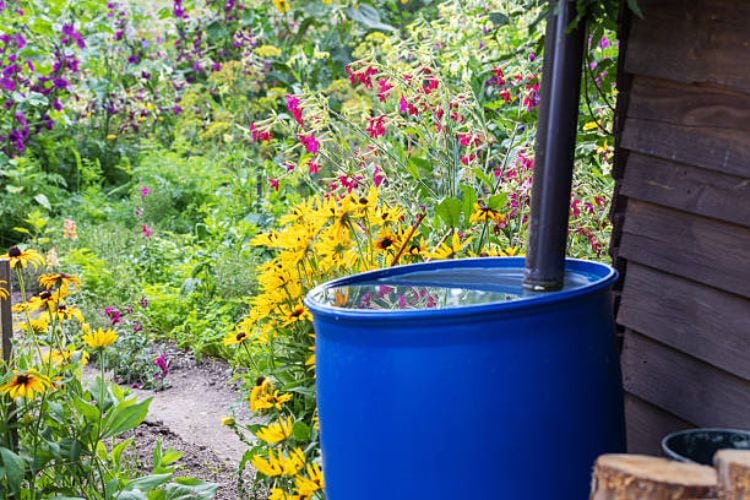
Capturing water that would otherwise flow to stormwater drains extends your garden’s water supply without touching the tap. Rainwater tanks connected to downpipes store roof runoff for later garden use. Even modest tanks provide useful reserves during dry periods.
Greywater systems can divert bathroom and laundry water to gardens, though proper setup and plant selection are important—not all plants tolerate greywater, and safety guidelines should be followed. Simpler options include swales, dry creek beds, and rain gardens that capture and infiltrate stormwater on site, keeping it available to plant roots rather than losing it to drains.To understand the broader impact of sustainable gardens, explore the influence of landscape design on environmental conservation.
Low-Water Garden Features That Still Look Lush
Water-wise needn’t mean sparse or austere. Rock gardens with carefully chosen succulents and groundcovers create textural richness. Raised beds with efficient drip irrigation can support even slightly thirstier plants in a controlled way. Strategic use of containers allows accent plants requiring more water without committing to broad irrigation.
Shade structures like pergolas protect plants from intense sun and reduce evaporation from the areas they cover. Recirculating water features provide the sight and sound of water without consumption—the same water cycles continuously, with only minimal top-ups needed to replace evaporation.
Everyday Habits That Save Water
Small behavioural changes compound into significant savings. Water early morning or evening when evaporation rates are lowest. Check soil moisture before watering—many gardeners water on schedule rather than when actually needed, delivering far more than plants require. Fix leaking taps and irrigation fittings promptly; a slow drip wastes surprising volumes over time.
Adjust watering seasonally—gardens need far less in winter than summer, yet automated systems often deliver the same year-round. Sweep paths and driveways rather than hosing them. These habits cost nothing but attention, yet they reduce consumption meaningfully.For everyday habits that support a low-water garden, review these water-wise gardening tips to reduce unnecessary water use.
Frequently Asked Questions
What is a water-wise garden?
A water-wise garden is designed to thrive with minimal irrigation by using drought-tolerant plants, efficient irrigation methods, appropriate mulching, and smart layout principles. The goal is reducing water consumption without sacrificing beauty or functionality. Well-designed water-wise gardens often look better than traditional designs because plants are matched to conditions where they genuinely thrive rather than struggling in unsuitable environments.
What plants need the least water?
Australian native plants generally require the least water once established, as they’ve evolved for local conditions. Succulents, ornamental grasses, many Mediterranean species (lavender, rosemary, olive), and plants with silver or grey foliage typically indicate drought adaptation. The key is choosing species appropriate to your specific climate and soil rather than following generic lists.
How much water can mulching save?
Properly applied mulch can reduce soil moisture evaporation by up to 70%. This translates to significantly less frequent watering and healthier plants with more stable root-zone conditions. Mulch also suppresses weeds that compete for water, compounding the savings. For the investment required, mulching offers one of the best returns of any water conservation measure.
Is gravel better than mulch for water conservation?
Both reduce evaporation effectively, but they suit different situations. Organic mulch improves soil over time as it breaks down, benefiting most planted areas. Gravel lasts indefinitely and suits native plantings that prefer lean soil, succulent gardens, and contemporary designs. Gravel can also reflect heat, which may stress some plants in full sun positions. The best choice depends on your plants, aesthetic preferences, and long-term garden goals.
Can a garden look lush and still save water?
Absolutely. Lush appearance comes from healthy, well-chosen plants appropriately sited—not from water volume. Gardens filled with thriving drought-tolerant species often look more abundant than struggling water-hungry plants. Strategic use of texture, foliage colour, and seasonal flowering creates visual richness. The key is matching plants to conditions where they flourish naturally.
Creating Your Water-Wise Garden
Water conservation and beautiful gardens aren’t competing goals—they’re complementary. By designing thoughtfully, selecting appropriate plants, and implementing efficient irrigation, you can create outdoor spaces that thrive through dry conditions while using a fraction of the water traditional gardens demand.
For Melbourne homeowners seeking sustainable landscape solutions, working with an experienced designer helps translate these principles into practical reality. With over forty years creating gardens across Eltham and surrounding suburbs, John French Landscape Design specialises in drought-tolerant native plantings and water-wise design—creating outdoor spaces that work with Australian conditions rather than fighting them. To reinforce your garden’s sustainability, combine these ideas with proven water conservation techniques in sustainable landscaping.
Ready to create a garden that thrives with less water? Contact John French Landscape Design on 0419 725 344 or email info@johnfrenchlandscapes.com.au to discuss your project.
