
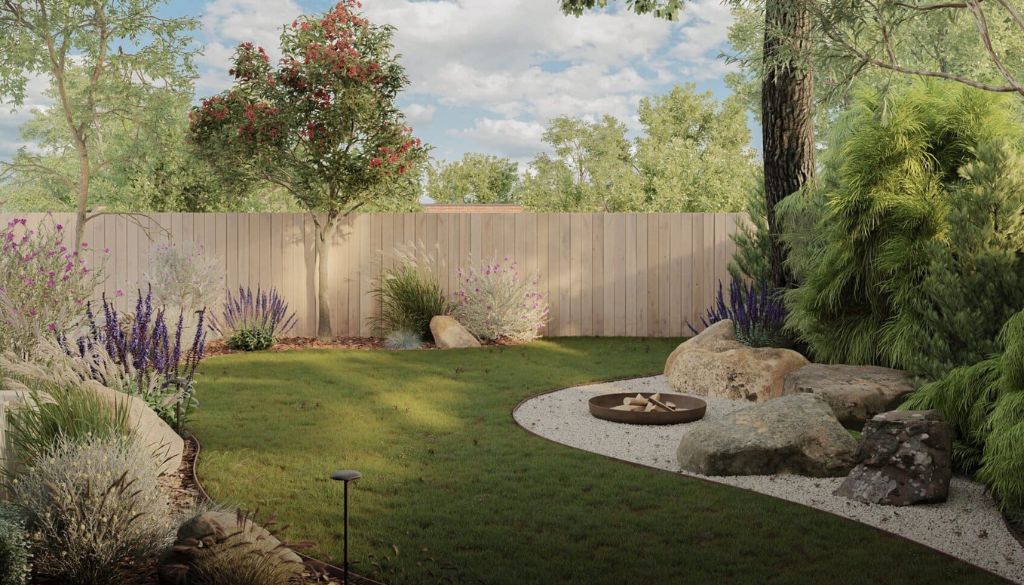
The traditional grass lawn has long been a staple of Australian gardens, but with increasing water restrictions, rising temperatures, and growing environmental awareness, more homeowners are questioning whether conventional turf is the right choice. Sustainable lawn alternatives offer a practical path forward—reducing water consumption, eliminating the weekly mowing routine, and creating gardens that work with our climate rather than against it. Low-maintenance ground covers like crushed granite and native grasses also work beautifully as the surround for a backyard fire feature — discover more in our backyard fire pit landscaping guide.
With over 40 years of experience creating landscapes across Melbourne’s suburbs, John French Landscape Design has witnessed this shift firsthand. Homeowners in Eltham, Doncaster, Viewbank, and surrounding areas are increasingly seeking gardens that balance beauty, functionality, and environmental responsibility. This guide explores the full range of sustainable alternatives available to Australian gardeners, helping you make informed decisions about your outdoor space. Replacing traditional turf is just one element of creating a drought-tolerant landscape—combine lawn alternatives with proven water conservation garden strategies for maximum water savings.
What Are Sustainable Lawn Alternatives?
Sustainable lawn alternatives encompass any ground treatment that reduces the environmental impact of traditional turf grass. This includes low-water plants, native ground covers, ornamental grasses, mulched garden beds, and hardscape elements that minimise irrigation needs and ongoing maintenance. If you’re replacing lawn areas along your boundary, consider swapping turf for a dense privacy hedge using native screening plants that require less water and create a more functional garden edge.
It’s worth distinguishing between lawn replacement and lawn reduction. Complete replacement removes all turf in favour of alternatives, while lawn reduction strategically minimises grass to high-use areas and transitions the remainder to more sustainable options. For many Melbourne households, a thoughtful combination of both approaches delivers the best results. Replacing lawn with densely planted beds is one of the most rewarding transitions you can make—our guide to cottage garden ideas for compact yards shows how layered planting creates a lush, low-water alternative to traditional turf.
Why Replace Traditional Lawns?
Traditional lawns demand significant resources. A typical suburban lawn requires 800 to 1,500 litres of water per square metre annually—a considerable burden during Melbourne’s increasingly frequent dry spells. Add to this the chemical fertilisers and pesticides needed to maintain that uniform green appearance, and the environmental costs mount quickly.
The maintenance equation extends beyond water. Petrol mowers produce emissions equivalent to driving a car for several hundred kilometres per year of use, while the noise and time investment of weekly mowing affects quality of life. There’s also the ecological consideration: conventional lawns are essentially “green deserts” that provide minimal habitat value for pollinators, birds, and beneficial insects.
Do You Really Need a Lawn?
Before committing to wholesale change, consider where lawn genuinely serves a purpose in your garden. High-traffic areas where children play or pets run benefit from turf’s durability and soft surface. Entertaining spaces adjacent to outdoor living areas may warrant a small lawn section for comfort and aesthetics. For a fully sustainable garden that maximises green coverage, complement your ground-level alternatives with hardy perennial climbers on your boundary fences.
Conversely, shaded areas under trees where grass struggles, steep slopes prone to erosion, narrow side passages, and front gardens with minimal foot traffic are prime candidates for alternatives. The goal isn’t eliminating lawn entirely—it’s matching each area of your garden to its actual use and conditions.
Types of Sustainable Lawn Alternatives
Not every alternative suits every situation. Climate, soil conditions, foot traffic patterns, and personal aesthetic preferences all influence the right choice. Understanding the full range of options helps you select solutions that will thrive in your specific circumstances.
Low-Mow and No-Mow Options
For those who appreciate the appearance of turf but want reduced maintenance, slow-growing grass varieties offer a middle path. Zoysia grasses form dense, drought-tolerant swards that require mowing only four to six times annually. Clover lawns—once considered weeds—are gaining popularity for their nitrogen-fixing properties, soft texture, and tolerance of poor soils. These options maintain a lawn-like appearance while dramatically reducing water and maintenance requirements.
Ground Covers as Lawn Alternatives
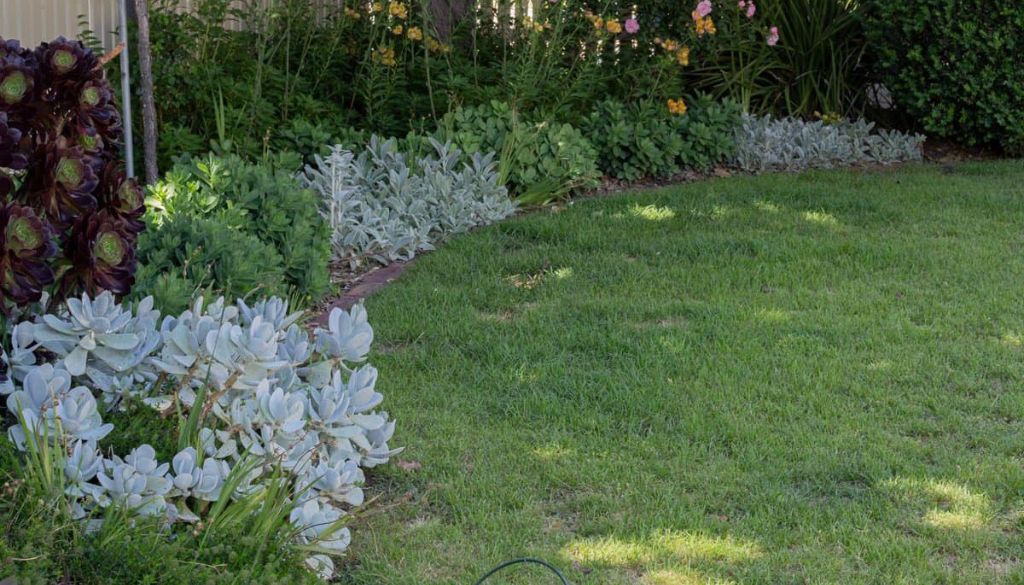
Ground covers create dense, low-growing carpets that suppress weeds and protect soil while requiring minimal intervention. Dichondra repens produces a soft, kidney-shaped leaf carpet suited to shaded areas. Creeping thyme releases fragrance when walked upon and tolerates light foot traffic. Native options like kidney weed and Pratia pedunculata offer white or blue flowers and adapt well to Melbourne’s conditions. For coastal and dry areas, pigface (Carpobrotus) provides drought-hardy coverage with striking succulent foliage. If you need quick coverage for bare areas, consider fast-growing ground cover plants that establish rapidly and require far less water than traditional lawn.
Meadow and Wildflower Lawns
Mixed-species meadows transform conventional lawn areas into biodiversity havens. These plantings combine native grasses with flowering species, creating seasonal interest while supporting pollinators. Meadow lawns require only one or two cuts annually—typically in late summer after seed set—and develop increasing beauty and ecological value over time. They’re particularly suited to larger properties or designated areas where formal lawn isn’t necessary.
Ornamental Grasses and Native Plantings
Australian native grasses deliver visual softness without mowing demands. Lomandra varieties offer strappy foliage in varying heights and tolerate both drought and occasional inundation. Poa labillardieri provides fine-textured tussocks suited to mass planting, while Carex species suit moist, shaded positions. These grasses require only annual tidying and establish quickly in Melbourne’s climate. Many lawn alternatives support local wildlife far better than traditional turf—learn about native plants that boost garden biodiversity while replacing your water-hungry lawn.
Mulch, Gravel, and Hardscape Alternatives
Non-living alternatives suit areas where plants struggle or foot traffic is heavy. Organic mulches like eucalyptus or pine bark improve soil health as they break down and provide excellent moisture retention. Gravel and decomposed granite create permeable surfaces for pathways and low-use zones, though they can retain heat in summer. Permeable paving offers a more structured solution for entertaining areas, allowing water infiltration while eliminating plant maintenance entirely.
Edible Lawn Alternatives
Productive landscapes transform passive lawn into functional growing space. Creeping herbs like thyme and oregano tolerate light foot traffic while providing culinary harvests. Alpine strawberries create attractive ground cover with edible fruit. These options work well in sunny areas adjacent to kitchens or entertaining spaces, combining aesthetics with practical yields.
Choosing the Right Lawn Alternative
Selecting appropriate alternatives requires honest assessment of several factors. Consider foot traffic—will children and pets use the area regularly? Evaluate water availability and your willingness to irrigate during establishment. Assess sunlight exposure and soil drainage characteristics. Finally, determine your maintenance tolerance and aesthetic expectations. A professional landscape design consultation can help match these variables to suitable solutions, ensuring successful establishment and long-term satisfaction. Once you’ve replaced your lawn with sustainable alternatives, discover tips for maintaining beauty with minimal effort to keep your garden looking stunning year-round.
Sustainability Benefits of Lawn Alternatives
The environmental benefits extend beyond reduced water consumption. Native plantings and diverse ground covers improve soil biology, increasing organic matter and supporting beneficial microorganisms. Flowering alternatives provide nectar and pollen sources for bees, butterflies, and other pollinators facing habitat loss across urban areas. Reduced or eliminated mowing cuts fossil fuel emissions and noise pollution. Perhaps most significantly, well-designed alternatives reduce or eliminate the chemical inputs—fertilisers, herbicides, and pesticides—that contaminate waterways and harm wildlife.
Maintenance Expectations: What to Expect Long-Term
Sustainable alternatives reduce maintenance but don’t eliminate it entirely. The establishment phase—typically the first one to two growing seasons—requires consistent watering and vigilant weed management while plants develop root systems and coverage. Once established, most alternatives need only seasonal attention: trimming ornamental grasses in late winter, occasional weeding, and periodic replenishment of mulch layers.
Honest expectations matter. “No maintenance” gardens don’t exist—but “low maintenance” gardens absolutely do. The key difference lies in exchanging weekly mowing for less frequent, often more enjoyable, seasonal tasks. Switching to lawn alternatives allows you to enjoy all the benefits of low-maintenance landscaping, including reduced water bills, less time spent on yard work, and a healthier garden overall.
Common Mistakes When Replacing a Lawn
Several pitfalls trap well-intentioned gardeners. Selecting plants that cannot tolerate expected foot traffic leads to bare patches and disappointment. Ignoring drainage results in waterlogged plantings that fail to thrive. Overcrowding plants to achieve instant coverage creates competition that weakens the planting over time. And assuming alternatives require zero care leads to neglect during the critical establishment period. Working with experienced landscape professionals helps avoid these costly errors.
Can You Mix Lawn and Lawn Alternatives?
Absolutely—and this approach often delivers the most practical results. Zoning your garden allows functional turf where you genuinely need it while transitioning other areas to appropriate alternatives. Well-designed edges and pathways create visual coherence between different treatments. A small lawn panel for children’s play might sit alongside native plantings, ground covers, and mulched garden beds, each zone serving its intended purpose within a unified design.
Frequently Asked Questions
What is the most sustainable alternative to a lawn?
Native ground covers and ornamental grasses are generally the most sustainable options for Australian gardens. They require minimal water once established, need no mowing, support local wildlife, and thrive without chemical inputs. Species like Lomandra, Dichondra repens, and native Poa grasses are well-suited to Melbourne’s climate and provide year-round coverage with seasonal interest.
Are lawn alternatives cheaper than grass?
Initial costs vary depending on the alternative chosen. Ground covers and native plantings may have higher upfront installation costs than turf, but they deliver significant savings over time through reduced water bills, eliminated fuel and mower maintenance costs, and minimal fertiliser requirements. Most homeowners find that lawn alternatives pay for themselves within three to five years through reduced ongoing expenses.
Can you walk on lawn alternatives?
Some lawn alternatives tolerate foot traffic better than others. Clover lawns, creeping thyme, and Zoysia grass handle regular walking and light play. Dichondra and Pratia suit occasional foot traffic in shaded areas. Native tussock grasses and meadow plantings are best for low-traffic zones or areas viewed rather than walked upon. Matching the alternative to your expected use is essential for long-term success.
Do lawn alternatives attract insects?
Flowering lawn alternatives do attract beneficial insects like bees, butterflies, and predatory insects that control garden pests—and this is generally a positive outcome. These pollinators are essential for food production and ecosystem health. Unlike standing water or decaying organic matter, well-maintained lawn alternatives don’t attract mosquitoes or problematic pests. The increased biodiversity typically creates a more balanced, healthier garden ecosystem.
Are lawn alternatives suitable for pets and kids?
Many lawn alternatives work well for families with children and pets. Clover lawns are soft, durable, and non-toxic. Native grasses like Poa and Lomandra are hardy enough for active play areas. For high-traffic pet zones, consider combining a small turf area with surrounding native plantings. Avoid gravel in areas where pets dig or children play, and check that any plants selected are non-toxic to animals. A landscape designer can help create pet and child-friendly zones using appropriate alternatives.
Final Thoughts: Rethinking the Australian Garden
The shift toward sustainable lawn alternatives reflects a broader change in how Australians think about their gardens. Rather than fighting our climate with water-hungry turf, we’re learning to work with it—creating outdoor spaces that are beautiful, functional, and environmentally responsible.
The transition needn’t happen all at once. Starting with problem areas—that shaded patch under the gum tree, the sloped section that’s impossible to mow, the water-guzzling front lawn no one uses—allows you to experiment with alternatives while maintaining familiar spaces elsewhere.
Ready to explore sustainable alternatives for your Melbourne garden? John French Landscape Design has been creating beautiful, water-wise landscapes across Eltham and surrounding suburbs since 1981. From initial consultation through design and construction administration, we help homeowners transform their outdoor spaces into sustainable gardens that thrive in our climate. Contact us at 0419 725 344 or visit johnfrenchlandscapes.com.au to discuss your project.
